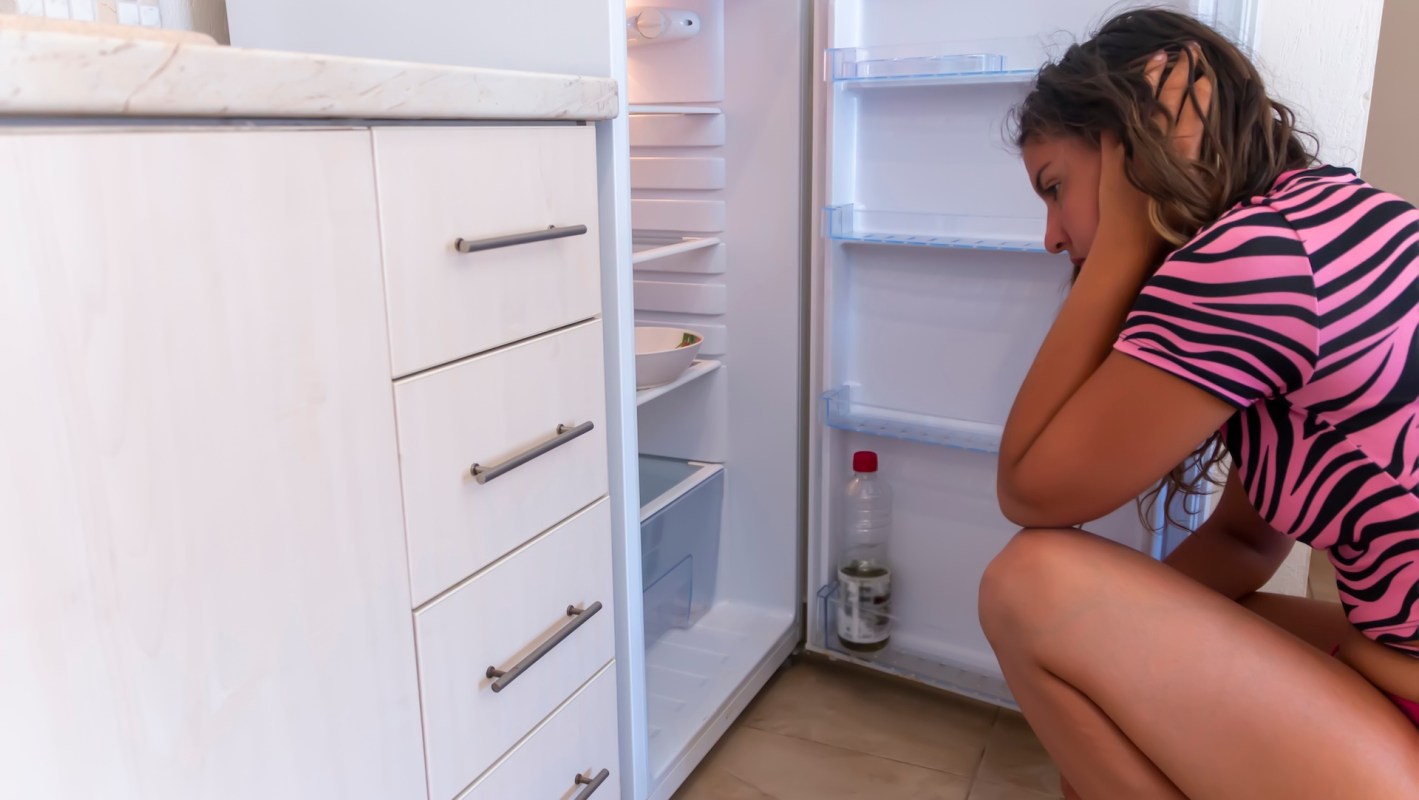
An electric bill became an impossible choice for Krystal Pate, a South Tampa mother of six, according to Inside Climate News.
What's happening?
After losing her job, Krystal Pate has been trying to support her six children in South Tampa on a fixed income, Inside Climate News reported. Her latest bill from Tampa Electric totaled $491.
That bill reflects a much larger systemic jump in prices. From December 2020 to January 2026, the average Tampa Electric customer's costs rose about 86%, adding up to roughly $980 more per year.
Tampa Electric, a subsidiary of Nova Scotia-based Emera, says part of the increase is tied to stronger storms and record heat, including a hurricane-recovery fee of about $20 a month on a typical bill. Pate spoke at public meetings to ask that rates not be raised, but, as Inside Climate News reported, the increases were approved anyway.
Why does it matter?
Climate impacts and corporate cost-shifting can collide in everyday life, especially for people without a financial cushion.
Research published this year in the journal People and Nature points to that pressure. A survey of more than 1,200 Tampa Bay residents found the highest levels of eco-anxiety among lower-income people and among residents who felt their communities faced unfair environmental burdens.
TCD Picks » Good Store Spotlight
Get 10% off your next purchase with code TCD10




When utilities push storm recovery and heat-related expenses onto customers, households can be left covering climate-related damage they did little to create. In Florida, which Inside Climate News noted spends less per capita on mental health than any other state, people under that kind of strain may have even less support available.
What's being done?
Pate has already shown up and spoken out. Public meetings do not always stop rate hikes, but they can force utilities and regulators to hear directly from the people absorbing the fallout.
Groups such as Food & Water Watch have documented how steep the increases have been.
Residents can ask their utility about payment plans or hardship programs, look for local energy-bill assistance, and cut waste at home through low-cost fixes such as weather-stripping, changing air filters, and careful thermostat use.
TCD Picks » Quince Spotlight
💡These best-sellers from Quince deliver affordable, sustainable luxury for all




For Pate, though, the stakes are immediate and brutally simple. "I either pay my light bill," she said, "or I buy food and be without lights."

Get TCD's free newsletters for easy tips, smart advice, and a chance to earn $5,000 toward home upgrades. To see more stories like this one, change your Google preferences here.