


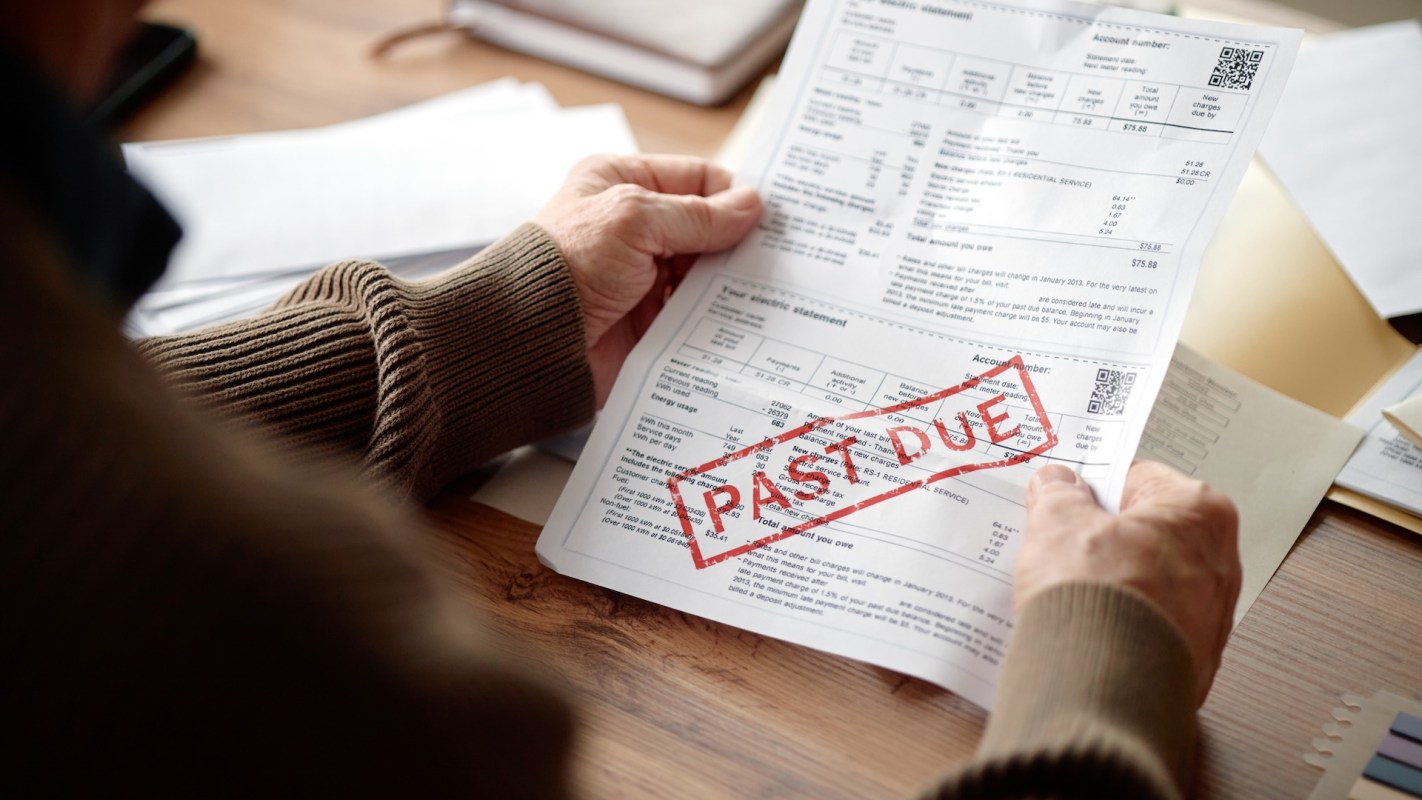
When someone purchases a home within a homeowners association, they sometimes fail to take into account future expenses such as rising HOA fees and special assessments.
Those additional costs have been hitting some homeowners particularly hard in recent years. In Florida, the state with the most HOAs and condominium associations per capita, the number of liens such associations have filed against homeowners who are delinquent in their payments has been on the rise.
A new national report found that the Sunshine State accounted for over 1 in 6 HOA and condo lien filings in 2025, according to The Daytona Beach News-Journal.
Here's what to know
When it comes to HOAs and similar associations filing liens against homeowners in their communities, Florida is hardly alone. The national total of HOA lien filings rose from 157,512 in 2021 to 262,461 in 2024 and then 284,933 in 2025 — an 8.5% increase from 2024 and nearly double the 2021 figure, per the News-Journal.
No state had more filings in 2025 than Florida, which logged nearly 50,000. Texas followed with 37,506, and California recorded 22,602.
Brian Fox, vice president at Benutech Inc., the real estate data analytics firm that authored the report, pointed to a cluster of specific pressures behind the state's lead: a heavy concentration of HOAs and condo associations, high insurance costs, and tight building safety mandates.
TCD Picks » Quince Spotlight
💡These best-sellers from Quince deliver affordable, sustainable luxury for all




"Associations don't have the option to run at a loss," Fox said in an email to the News-Journal.
As a result, when HOAs run short on cash, they must turn to their members for additional funding. Many homeowners have found it difficult to afford those unanticipated additional costs.
As expenses climb, HOA boards often raise dues or impose special assessments, and those higher charges can be especially hard on homeowners living on fixed incomes or already stretched budgets.
Liens can jeopardize household finances, complicate home sales, and add another layer of instability to an already expensive housing market.
More background
The pressure on Florida condo owners is tied in large part to the 2021 collapse of Champlain Towers South in Surfside, which killed 98 people.
Afterward, Florida lawmakers tightened condominium rules by requiring certain buildings to complete structural inspections and fully fund reserves for future repairs.
"Owners are simultaneously funding deferred maintenance from the past 30 years," Bill Hughes, a professor at the University of Florida, told the News-Journal.
Owners can be hit with several costs at once, including higher monthly dues, insurance increases, and special assessments. Erik Perez, an attorney, said he has seen special assessments "as high as $100,000," per the News-Journal.
For many residents, particularly retirees, such large figures can drain savings, cause borrowing against a paid-off home, or result in legal action from an association.
What can be done?
Understanding an association's finances before costs spiral out of control can help condo owners and prospective buyers avoid falling into a situation they cannot afford. Reviewing reserve studies, inspection reports, insurance expenses, and a building's history of special assessments can provide a clearer picture of what ownership may actually cost than simply looking at monthly HOA dues.
Attorney Joel McTague told the newspaper that some residents withhold payments while battling their boards, but that move can backfire and end in a lien on their property.
The situation also highlights a wider debate over how associations use their power. Across the country, HOAs have drawn criticism for blocking money-saving home upgrades such as rooftop solar panels and native plant lawns, even when those changes could reduce utility bills or maintenance costs. Homeowners looking to enact practical reforms can start by working with their HOAs.
Perez told the News-Journal that Florida may need policy changes, including extended compliance deadlines or more flexible payment plans, to keep necessary safety upgrades from turning into financial crises for residents.
"Many existing owners are being sandwiched between two funding requirements, neither of which was anticipated at purchase," Hughes said.

Get TCD's free newsletters for easy tips, smart advice, and a chance to earn $5,000 toward home upgrades. To see more stories like this one, change your Google preferences here.






