


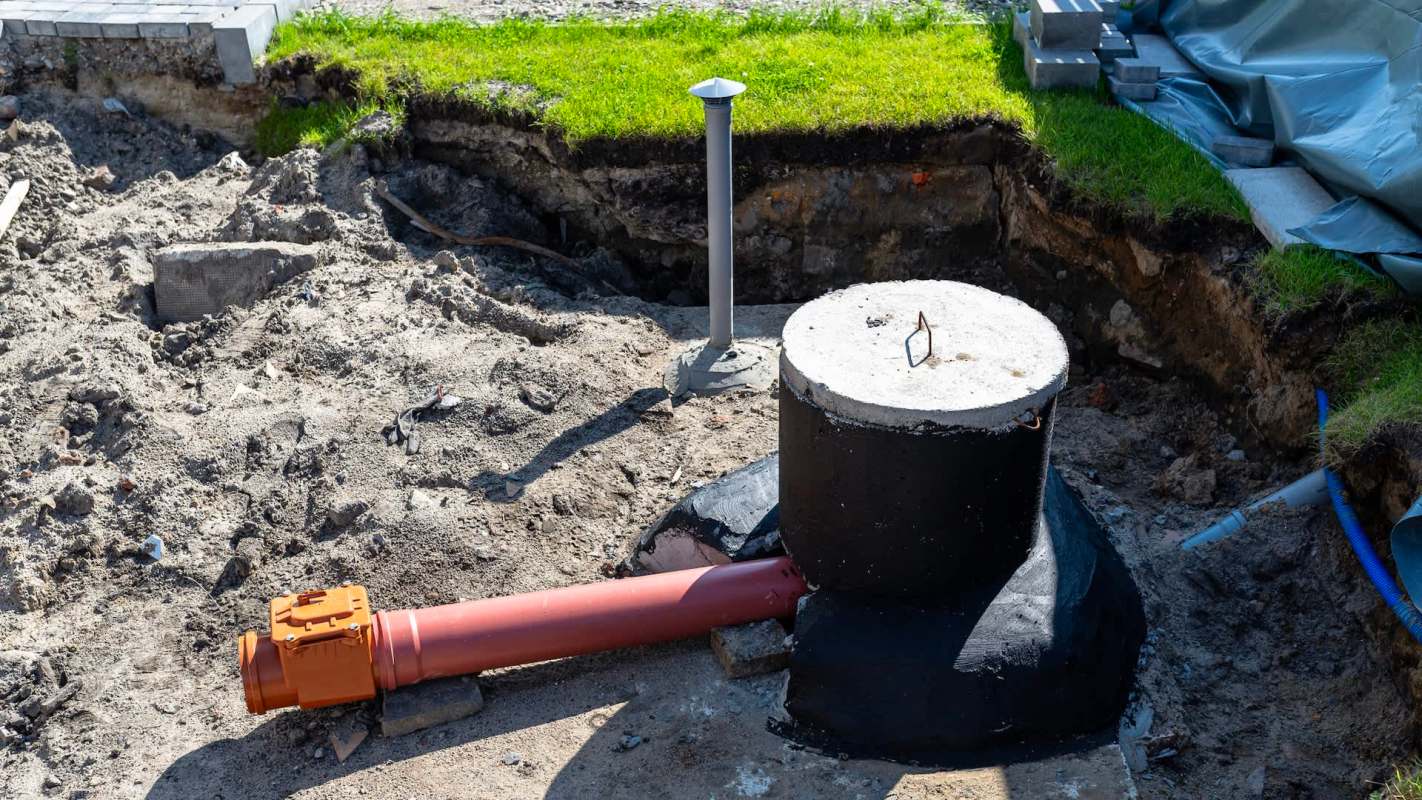
Florida homeowners with working septic tanks in one Central Florida city are being told they may still have to spend about $20,000 to connect to a sewer system instead.
For 19 properties in Mount Dora, the issue is no longer whether their septic systems still work. It is whether residents can absorb a five-figure mandate within a year.
Here's what to know
If notices went out on Sept. 30, as Mount Dora expects, the affected property owners would have one year from that mailing date to make the sewer connection.
According to News 6, the obligation comes from Florida Statute 381.00655, which gives owners of functioning septic systems 365 days to hook up after written notice that a public or investor-owned sewer is available.
City records show that officials first looked at roughly 90 properties tied to Wastewater Plant No. 1. The current list is down to 19, and officials say it could shrink further.
The city said it reduced that estimate for several reasons. Some properties are more than 200 linear feet from a central gravity sewer line, some lack enough slope for a standard gravity connection, and some may already be on the sewer system.
TCD Picks » Quince Spotlight
💡These best-sellers from Quince deliver affordable, sustainable luxury for all




City estimates put the cost at roughly $20,000 for each property, with the total varying by site. The figure includes a $7,795 sewer impact fee plus about $12,000 for permits and plumbing work.
More background
"If you don't have $20,000, you're not gonna magically have it in the next year," said Mount Dora resident Mikayla Dolnack.
Mount Dora has explained that homeowners pay only the sewer impact fee, and any permits are billed through the city directly to Mount Dora. Those city-billed charges are eligible for a payment plan spread across equal monthly installments for up to two years.
Homeowners would still have to cover private plumbing work separately, so a significant portion of the projected cost may fall outside the city's payment-plan option. Mount Dora has not released a detailed split showing how much of the approximately $12,000 estimate is for city permits and how much is for private plumbing.
Owners who miss the 365-day deadline could face administrative fines from the state and the Department of Health, although the city did not specify the amounts.
"Adding fines to a situation that already is costing people more money is just gonna add to the issue," said Mount Dora resident Dominick Dolnack.
What's being done?
Confirmed financial help remains uncertain.
A Sept. 15 City Council packet said city staff was seeking possible grant assistance for affected owners. Mount Dora said it is "currently reviewing what options would be available to the properties affected."
The rule does not apply to every septic property in Mount Dora. Another 92 properties connected to Wastewater Plant No. 2 may eventually face the same requirement, but the city says that plant lacks sufficient permitted wastewater capacity, so the 365-day deadline has not begun for those owners.
The city estimates the Wastewater Plant No. 2 expansion project will be completed in 2030.
Where can I learn more?
Stories from around the country show how septic and sewer problems are affecting homeowners and local governments far beyond Mount Dora. They cover failing systems tied to rising seas, billion-dollar cleanup plans, sewer bill hikes, local project backlash, and utility fee fights.
• Across the U.S. South, time bombs under the ground threaten homes as seas rise.
• On Cape Cod, officials are spending billions on a major septic problem fueling algae blooms.
• In Cumberland, leaders moved ahead with water and sewer bill hikes despite resident pushback.
• In Vermont, locals warned a multi-million-dollar sewer project could worsen water quality.
• In Texas, residents challenged the $4,500 meter demand tied to keeping water service.

Get TCD's free newsletters for easy tips, smart advice, and a chance to earn $5,000 toward home upgrades. To see more stories like this one, change your Google preferences here.






