


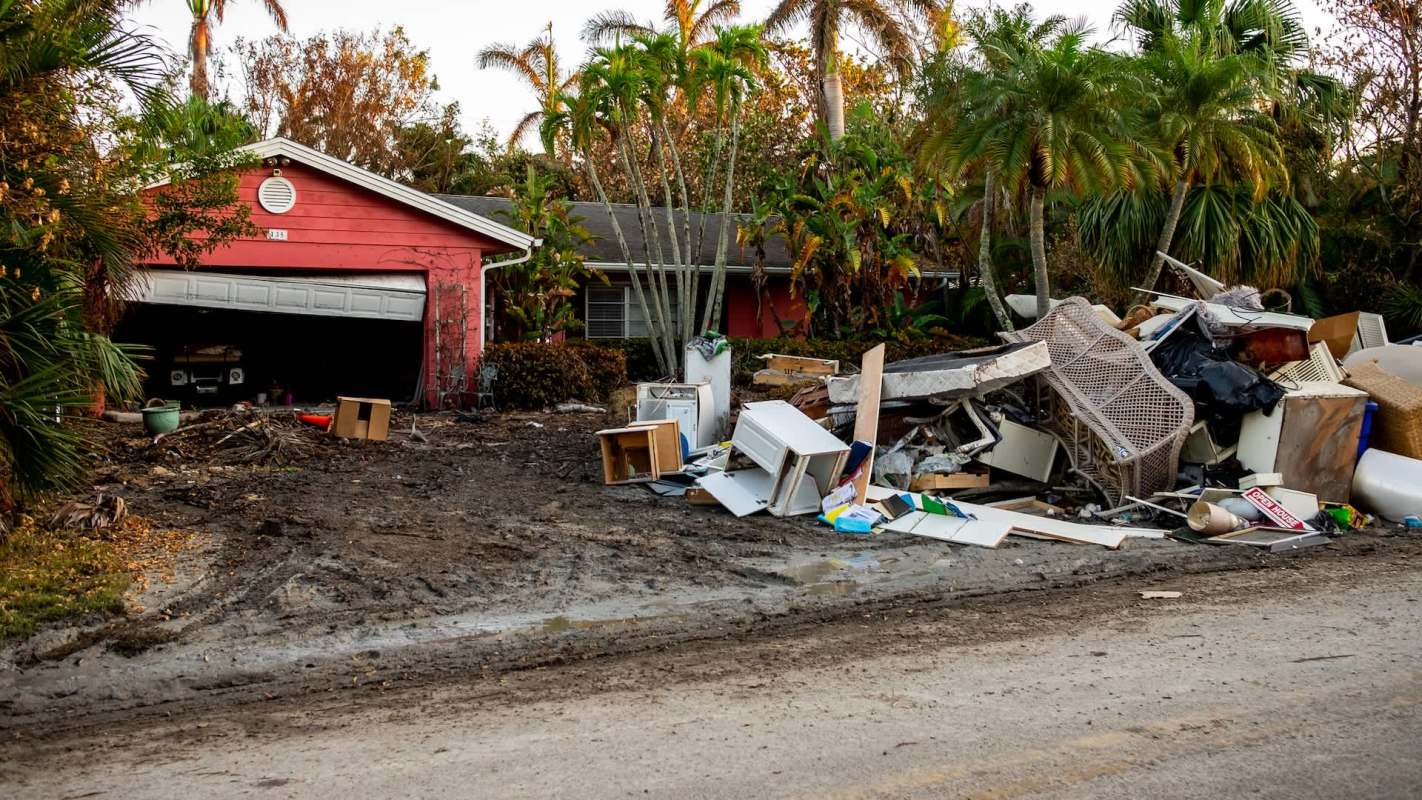
A standard homeowners insurance policy in Florida usually does not include flood insurance, which Treasure Coast News said is worth remembering as the 2026 Atlantic hurricane season reaches its peak.
When a storm dumps rain, pushes water higher, and leaves a big cleanup bill behind, that missing protection can become an expensive shock.
Here's what to know
One of the first things many buyers learn too late is that a homeowners policy does not cover every kind of property damage. Flood losses are usually handled under a separate policy, not the main home insurance plan.
Hurricanes, however, do more than tear at roofs and siding. They also drive water into houses, overwhelm streets, and lead to costly repairs.
Policy wording may not make that clear. Someone can assume they are covered for storm damage in general and only discover after a disaster that flood-related losses are classified differently.
As a result, a household may carry insurance and still end up with large bills if the damage came from flooding instead of an event the policy covers.
TCD Picks » Quince Spotlight
💡These best-sellers from Quince deliver affordable, sustainable luxury for all




More background
In Florida and elsewhere, a hurricane can produce several kinds of damage. A home might be hit by wind in one way and by rain or rising water in another, with insurers sorting those losses into separate buckets.
That division isn't always intuitive, especially for people new to Florida or to owning property. What people call hurricane damage in everyday conversation may be treated differently by an insurer.
Even short-lived flooding can do more than leave a mess, soaking drywall, ruining floors, raising mold issues, and producing repair costs well beyond basic cleanup.
What can be done?
Treasure Coast News reported that the best time to review a policy is before a storm approaches. Looking for flood protection and exclusions as well as examining deductibles can reduce confusion once severe weather arrives.
If the policy does not include flood insurance, homeowners can ask an agent about coverage choices and the amount of protection each offers. It is also helpful to find out which types of water damage are covered and which are not.
New homeowners can benefit from keeping a home inventory with photos and receipts, storing important documents in a safe place, and reviewing evacuation and emergency plans before conditions deteriorate.
Where can I learn more?
The difference between wind coverage and flood coverage can have serious financial consequences as hurricane threats rise. These articles look at storms, concerns about federal disaster aid, and seasonal forecasts that underscore how costly it can be when water damage falls outside a standard policy.
• Across the Southeast, major insurance gaps left hurricane flood victims exposed after Helene.
• NOAA warned an above-normal number of storms could strain underinsured households.
• In Florida, rescuers said hurricane preparation mistakes can turn dangerous.
Understanding hurricane-season context makes it easy to see why a policy review is important. If homeowners understand those pressures ahead of time, they can catch a coverage gap before a claim is denied.

Get TCD's free newsletters for easy tips, smart advice, and a chance to earn $5,000 toward home upgrades. To see more stories like this one, change your Google preferences here.






