


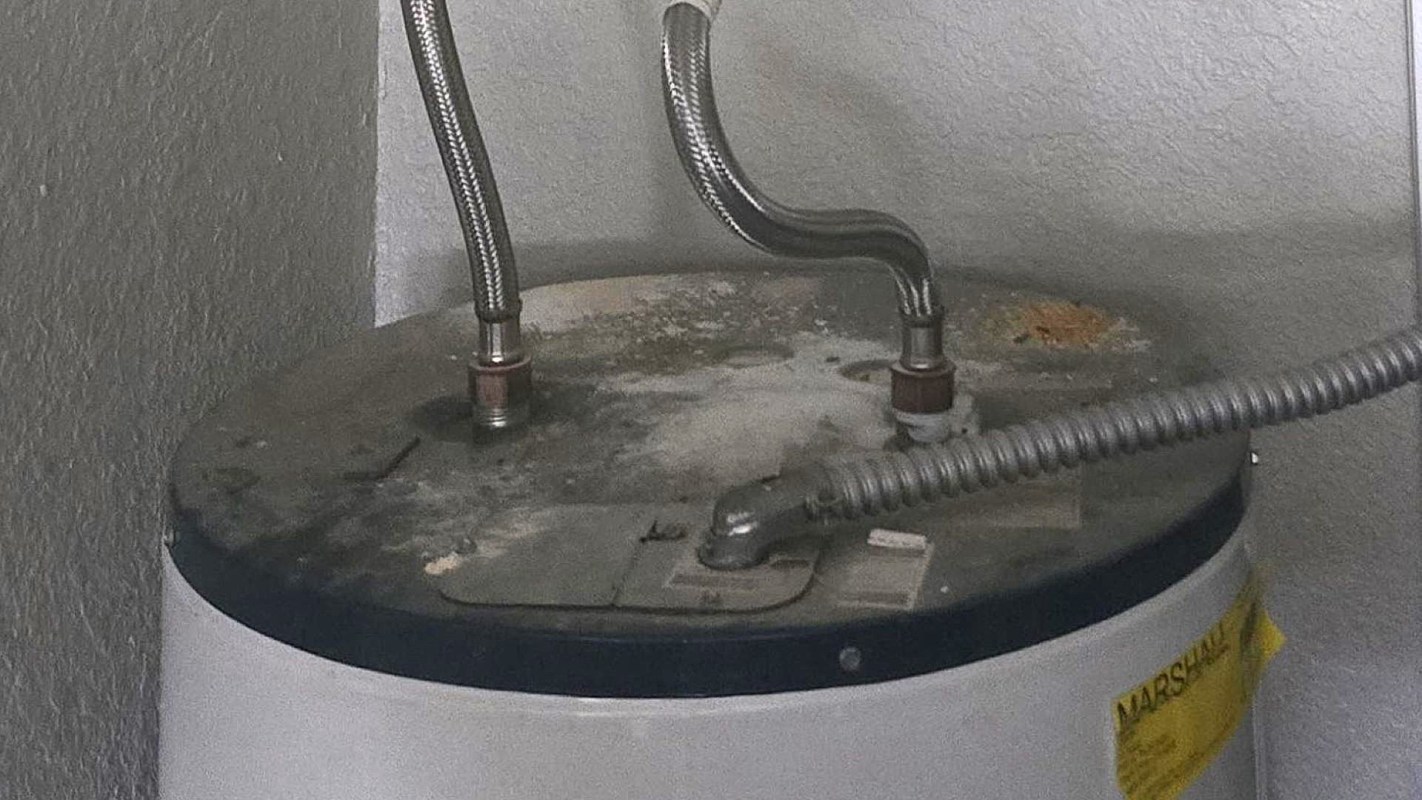
A Florida resident weighing a water-heater replacement started to question the job after seeing rust-colored water, corrosion on the outside of the tank, and an expansion-tank arrangement they did not recognize.
Because the unit was only about three years old, they wondered on the r/Plumbing subreddit whether a house flipper had installed it incorrectly before the home changed hands.
What happened?
The homeowner wrote on Reddit that they had replaced water heaters before, but this was the first time they had run into a setup like this since moving to Florida two years ago.
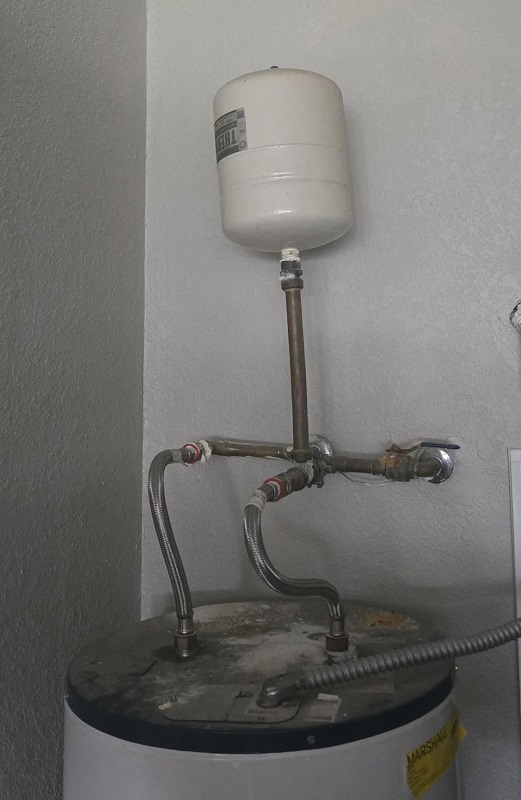
The unit looked unusually deteriorated for its age, with visible exterior corrosion and rusty water already coming from a tank that was only around three years old.
They said there was "a fair bit of mineral buildup," including material on top that they had already brushed away. They added that "it seems like a simple swap" but said they had "never worked on a system with an expansion tank like this one" and had expected to find a check valve as part of that configuration.
Before doing anything, the homeowner asked whether the existing installation looked correct. They said they would likely handle the replacement themselves if it was, but would call in a plumber to redo the system properly if it was not.
TCD Picks » Quince Spotlight
💡These best-sellers from Quince deliver affordable, sustainable luxury for all




They also suspected the current heater may have been installed badly by a house flipper. The community backed their suspicions with one calling it "not typical" and a "hack job."
"When you replace it you can clean it up," they added. "Put a brass or stainless tee on the cold side. Expansion tank in on port and cold supply in the other."
"A Florida man did some plumbing," another user joked.
Why does it matter?
A tank-style water heater would typically be expected to last much longer than three years, so visible rust and corrosion this early can be a warning sign. It could point to installation issues, unusually harsh water conditions, poor maintenance, or some combination of those factors.
A replacement alone can be expensive, and if the tank leaks or ruptures, the resulting water damage can push repair costs even higher by affecting floors, walls, and nearby appliances. Spotting a questionable setup before a full failure can help save both money and stress.
Mineral buildup and worn components can force a unit to work harder, which may raise utility bills while also contributing to more air pollution associated with wasted energy.
The OP heeded the advice of Redditors and felt up to the task.
What can I do?
If you notice rusty water, corrosion, or an unusual-looking setup around your own water heater, pause before doing a like-for-like replacement.
Homeowners can look for obvious problems such as leaking fittings, missing drain pans, poor venting, or improperly routed relief-valve piping, but questions involving code are often best left to a licensed plumber.
If replacement is needed, it may also be worth comparing standard models with more efficient alternatives. Heat pump water heaters can use far less electricity than conventional electric tanks, and many households may qualify for incentives that reduce the upfront cost.
Whether this kind of project really is "a simple swap" may depend on the condition of the existing installation.

Get TCD's free newsletters for easy tips, smart advice, and a chance to earn $5,000 toward home upgrades. To see more stories like this one, change your Google preferences here.






