


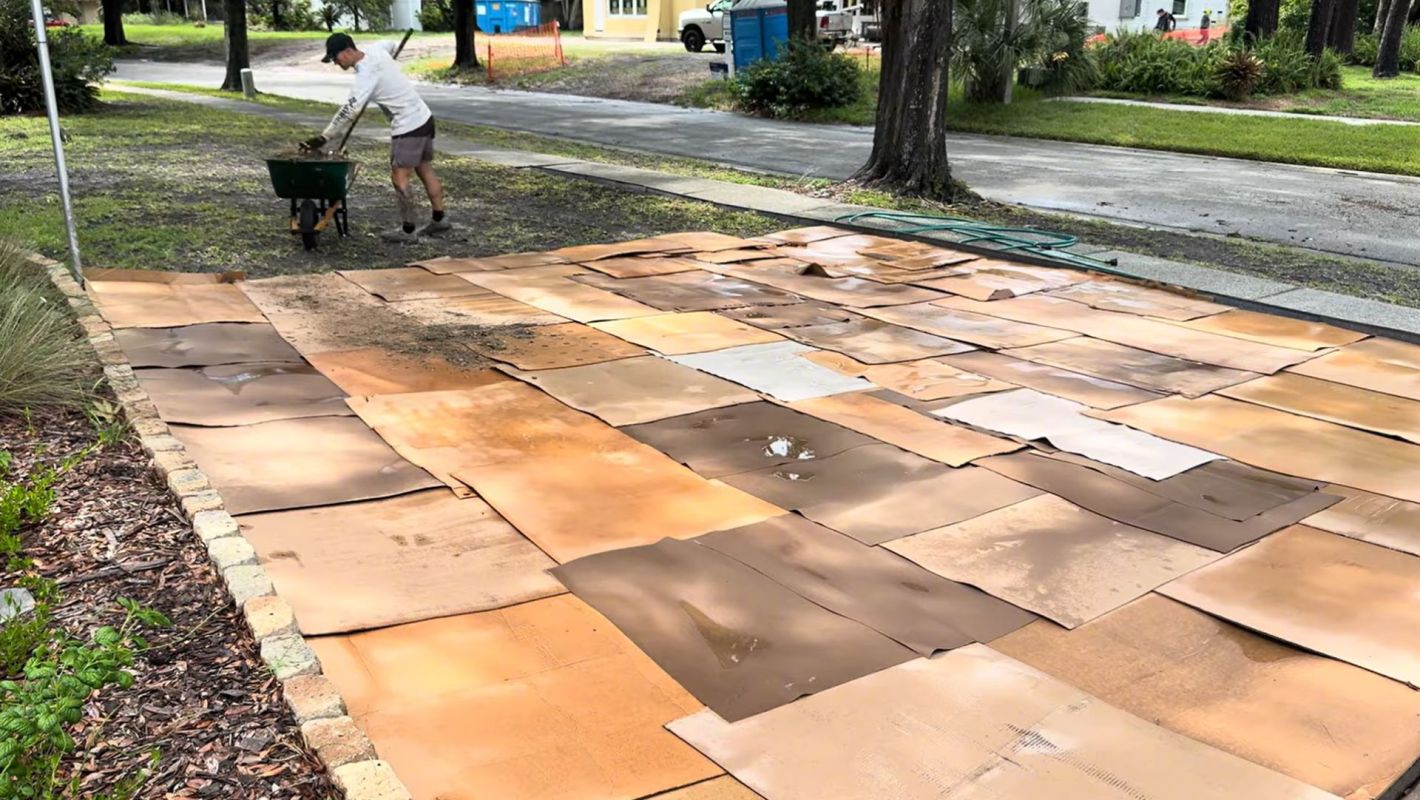
One Florida homeowner's front-yard makeover shows how radically a lawn can change — and it all started with cardboard.
Instead of continuing to manage a sparse, demanding patch of grass, the homeowner remade the area as a native pollinator garden built for Florida's natural conditions.
What happened?
Food Forest Florida (@FoodForestFlorida) recently shared a front-yard makeover on YouTube, showing how a standard lawn was replaced with what they called a "Florida-friendly native pollinator garden."
He said the project was "designed to function like a low-maintenance Florida oak hammock ecosystem."
Early work focused on weed suppression and soil health. Using sheet mulching, the homeowner soaked cardboard, added layers of organic material, and spread a deep mulch cover on top, while a border around the yard helped keep that organic matter from washing into the street.
With that base in place, the space was then shaped with curving stone walkways, edging, and a mix of native and naturalized plants meant to draw in birds and pollinators.
TCD Picks » Quince Spotlight
💡These best-sellers from Quince deliver affordable, sustainable luxury for all




Edible plants were part of the plan as well, with the creator saying the garden would provide "food not just for the animals, but for us, too."
One commenter wrote, "Have a love/hate relationship with grass. It makes a great compost ingredient when I cut it but I have killed most of it over the past 5 years, replacing bit by bit with new beds, plants and flowers!"
Why does it matter?
Traditional lawns can be expensive, time-consuming, and surprisingly resource-intensive.
Caring for the lawn adds costs, and in dry or sandy climates, keeping grass green can drive up water bills without offering much support for local ecosystems.
By contrast, native-plant lawns and other low-maintenance alternatives are often better suited to regional soil and weather conditions. That can mean less watering, less upkeep, and lower costs over time, while also creating habitat for pollinators and birds.
It also does not have to be an all-or-nothing change.
Even replacing part of a lawn can help homeowners save money and reclaim time. Depending on the region, alternatives can include native plants, clover, buffalo grass, or xeriscaping, all of which can reduce the need for constant maintenance while making a yard more resilient.
What can I do?
The Florida makeover shows that lawn replacement can happen in stages.
The homeowner's approach relied on sheet mulching — also known as lasagna gardening — as a way to smother weeds, retain moisture, and improve the ground before anything was planted. For people dealing with stubborn grass, compacted soil, or poor fertility, that can be a practical way to start.
For homeowners who are not ready to remove an entire lawn, starting small can still make a difference.
Replacing a curb strip, a corner bed, or a section around trees with native plants can cut maintenance needs and support wildlife without requiring a complete redesign.
One commenter wrote, "I wish more people would be brave enough to remove the monoculture and bring in so much more beauty!"

Get TCD's free newsletters for easy tips, smart advice, and a chance to earn $5,000 toward home upgrades. To see more stories like this one, change your Google preferences here.






