


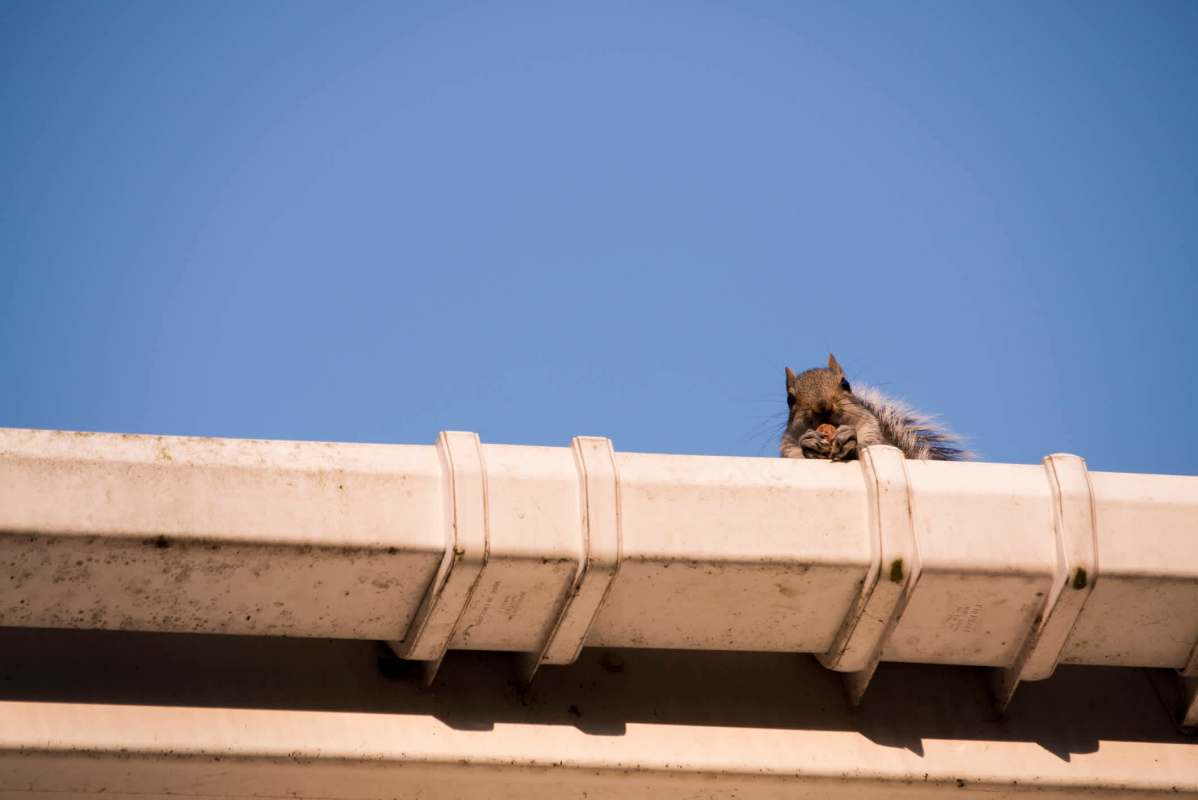
A Florida family is rebuilding after an overnight fire destroyed their home, with People reporting that the blaze may have begun when a squirrel chewed through the house's electrical wiring.
Everyone got out safely, but the house was lost.
What happened?
On the night of Jan. 31, People reported, Donnie Banta and Stacey Davis in Panama City, Florida were asleep at home with their children and pets when the fire broke out. The house was destroyed, but every member of the household — including the family's dog and cat — escaped unharmed.
People also said the suspected cause was a squirrel chewing through electrical wires, and that a fundraiser for the family's recovery had brought in nearly $6,000.
Officials say this type of fire is common. Rodents and squirrels can gnaw on wiring, stripping away insulation and creating the conditions for sparks, shorts, and fast-moving fires.
Before the fire worsened, Banta heard the click of their breaker flipping and a rustling sound from the attic. She also smelled an electrical burning odor, and knew something was wrong, so she alerted everyone inside and the family was able to evacuate in time.
TCD Picks » Quince Spotlight
💡These best-sellers from Quince deliver affordable, sustainable luxury for all




Why does it matter?
Wildlife-related home damage can be catastrophic, putting families, pets, and first responders at risk while also causing steep financial and emotional losses.
As neighborhoods expand and homes provide warm, sheltered spaces, animals such as squirrels are more likely to nest in attics, walls, and crawl spaces. Electrical systems, insulation, and stored materials can then turn a natural survival behavior — chewing — into a human disaster.
Similar conflicts between wildlife and human spaces have affected other communities, with residents in Lake Tahoe recently seeing a surge in rodent infestations that damaged homes and created health concerns.
Losing a house often means displacement, replacing essentials, navigating insurance claims, and coping with trauma after the fire is extinguished.
Electrical fires can spread to neighboring structures, especially in dense communities.
What can I do?
Experts generally recommend treating strange attic noises, flickering power, burning odors, or unexplained electrical issues as warning signs. A licensed electrician or wildlife professional can help identify whether wiring damage or animal activity is present.
Homeowners can also reduce risk by sealing entry points around roofs, vents, and eaves; trimming tree branches that provide easy roof access; and scheduling regular inspections in older homes or properties with past pest problems.
If animals are already inside, removal should be handled safely and according to local regulations, since do-it-yourself efforts can worsen damage or create safety issues. Blocking future entry points after removal is often just as important as addressing the immediate problem.
"The roof collapsed, and nearly everything they owned was destroyed in the blaze. Thankfully, Stacey, her husband, and their two children made it out safely, but they are now faced with the overwhelming challenge of starting over from scratch," the GoFundMe description stated.
In this case, online fundraising helped provide a starting point as Banta, Davis, and their children began rebuilding after losing their home.

Get TCD's free newsletters for easy tips, smart advice, and a chance to earn $5,000 toward home upgrades. To see more stories like this one, change your Google preferences here.






