


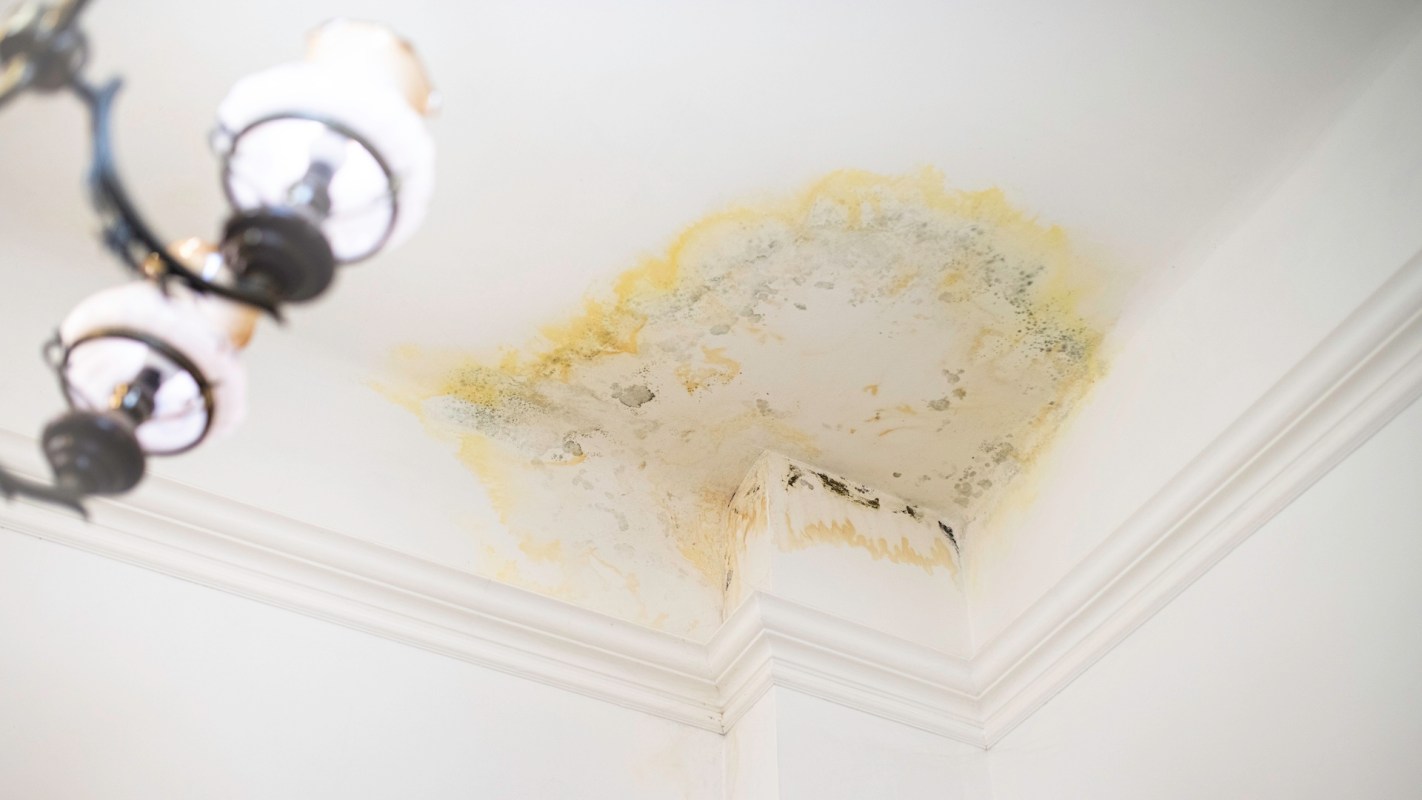
A Florida condo owner has turned to the internet for advice after an upstairs neighbor's leaking AC unit caused water damage and mold in their walls.
Here's what to know
Writing on Reddit's r/HOA forum, the condo owner explained that they live in Okinawa with a military spouse while renting out their first-floor condo in Florida.
According to the original poster, the trouble began when an AC issue in the unit above sent water into their condo. After repeated outreach over several months, the HOA eventually reported that the leak itself had been repaired.
However, according to the post, while the leak may have stopped, the damage it caused remained.
"The problem is that I now have mold growing on the wall where the leak happened, and neither the HOA nor the owner of the second floor unit is responding to my emails," the OP wrote.
Commenters largely agreed that the next step should be to go through the condo owner's own insurance carrier.
TCD Picks » Quince Spotlight
💡These best-sellers from Quince deliver affordable, sustainable luxury for all




"You call your insurance and file a claim and they will subrogate and go after the HOA or other unit owner," said one Redditor.
According to the OP, though, they had already contacted their own insurance company, and the company said that the building walls are the responsibility of the HOA and therefore are not covered under the condo owner's policy.
Others recommended that the OP closely review the HOA's governing documents, including its bylaws and CC&Rs. Some commenters said responsibility for the mold could hinge on whether the damaged wall is part of the unit or a common element, and whether the AC equipment belongs to the neighbor or the HOA.
More background
Unaddressed water intrusion can quickly escalate from a minor repair into mold remediation, drywall replacement, and possible tenant disruption. When the owner is far away, as is the case for the OP, coordinating inspections and pushing for action can be even harder.
The original poster later told commenters the repair likely would involve "mold remediation and drywall replacement."
One commenter suggested breaking down responsibility into separate parts.
"There are two parts to the responsibility for fixing this: who should arrange the work and who should pay for it," they said.
What can be done?
Many commenters recommended acting immediately to address the mold and then figuring out who bears financial responsibility later.
Some Redditors warned that failing to act quickly to remediate the mold could lead to legal action by the tenant currently renting the unit from the OP.
If the HOA and upstairs neighbor remained unresponsive, the next step could be hiring an attorney to send a demand letter, some commenters said.
Homeowners dealing with restrictive boards — whether over repairs or upgrades — can often find that working with HOAs is complicated from both legal and practical standpoints.
In the end, even commenters who disagreed on who should ultimately pay for the necessary repairs seemed to agree that getting the damage assessed and repaired should be the OP's first priority.
Where can I learn more?
These articles look at condo and HOA disputes over leaks, flooding, delayed repairs, and who pays for the damage.
• A homeowner was told to check the HOA documents after a neighbor's sprinkler caused water damage.
• In a condo building, massive flood damage followed after an HOA blunder left walls crumbling.
• After more than a year of delays, a condo owner asked whether the HOA's neglect was negligence.
• A tenant said the HOA's negligence caused extreme water damage that upended the home.
• In Florida, a homeowner asked whether the HOA could be liable for flooding damage after a hurricane.

Get TCD's free newsletters for easy tips, smart advice, and a chance to earn $5,000 toward home upgrades. To see more stories like this one, change your Google preferences here.






