


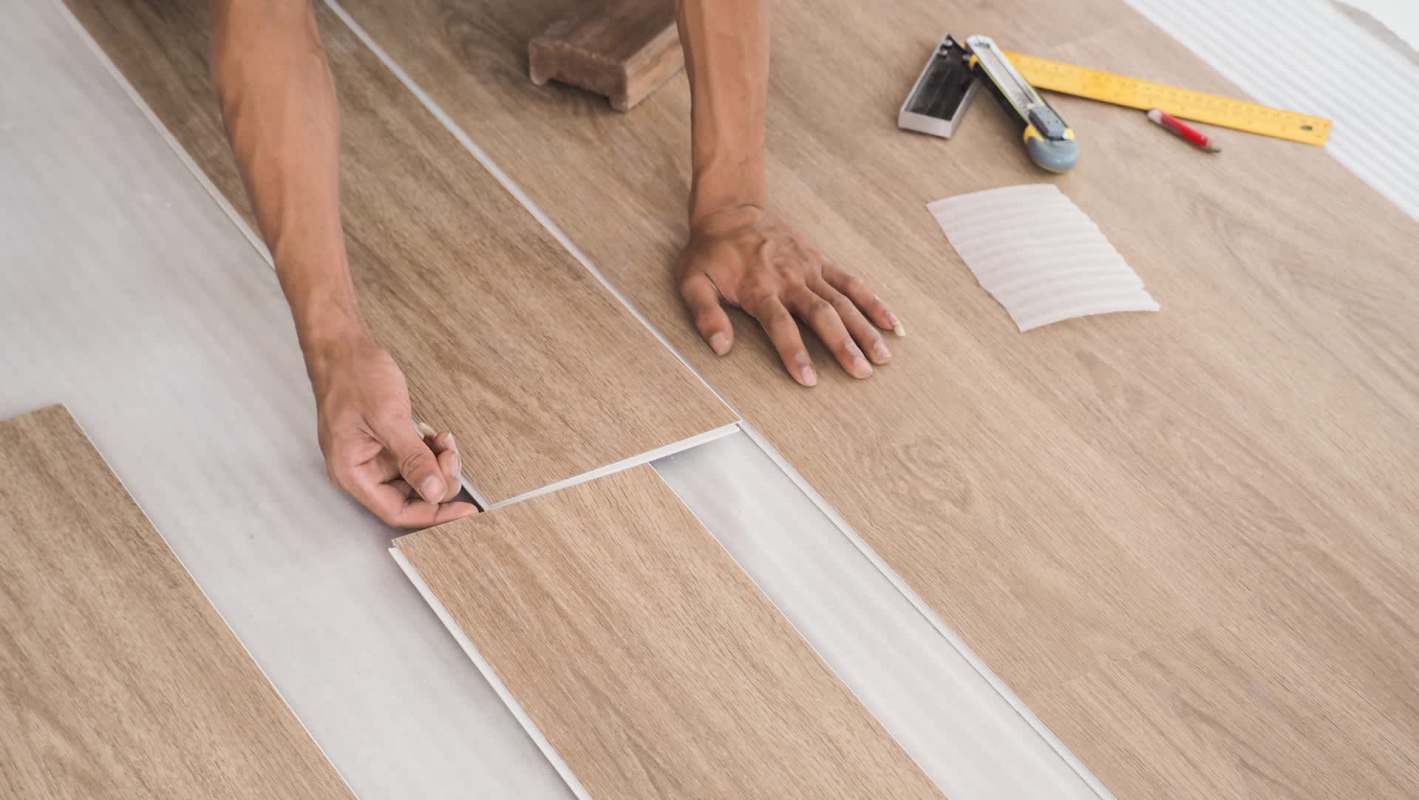
Picking the right flooring option in Florida isn't just about aesthetics. The state's heat, humidity, and flood risk can quickly turn a dream renovation into an expensive headache if homeowners choose materials that are not designed to handle constant moisture.
Here's what to know
According to Naples Daily News, Justin Caballero, president of Revive Design and Renovation in Tampa, said Florida homeowners should let the local climate guide their flooring choices.
Porcelain tile is a common pick for rooms such as kitchens, bathrooms, and laundry rooms because those spaces are more likely to deal with water.
He said bedrooms and living areas are usually finished with LVP.
"It's a synthetic flooring product which mimics hardwood and is more moisture resistant than traditional hardwood," he explained.
He added that LVP can be a budget-friendly option since the product and labor are usually less expensive than more time-intensive alternatives.
TCD Picks » Quince Spotlight
💡These best-sellers from Quince deliver affordable, sustainable luxury for all




More background
In Florida, moisture can come from humidity, spills, wet ground, and storm flooding.
Traditional hardwood can be especially risky in the state, Caballero said, because many homes sit on porous concrete slabs.
He recommended regrouting tile when grout begins to wear down, chip, or lose color so moisture does not seep beneath the tile.
He also warned, "If you're noticing bubbling, standing pools of water, or cracking, address it quickly, because that's going to swell and spread."
Caballero said that once demolition, prep work, and installation are factored in, replacing flooring can take about a week.
What can be done?
For homeowners planning a remodel, one of the simplest strategies is to match the flooring to the room.
One practical approach is to use tile where water exposure is common and LVP in drier gathering spaces where homeowners still want a wood-style look.
Routine cleaning, periodic deep cleans, and regular inspections can help flooring last longer.
Caballero said installers in wet areas sometimes use Redgard before laying tile, along with other moisture-barrier adhesives, to help make the finished floor more waterproof.
As Caballero put it: "Traditional hardwood that is not engineered hardwood is going to be the most difficult. A majority of houses here are built on concrete slabs. Those slabs are porous, so moisture comes up through the slab from the wet ground and can buckle traditional hardwood flooring."
Where can I learn more?
Here are more stories on storm-resilient Florida homes, native landscaping, solar panels, heat pumps, and mini-split HVAC systems.
• At Hunters Point in Florida, storm-resilient luxury green homes are reshaping high-end coastal living.
• A Florida designer urges homeowners to swap thirsty grass for natives and cut water use.
• Across the housing market, solar panels can raise home value while lowering monthly power costs.
• Homeowners replacing gas furnaces with modern heat pump systems can see major electricity savings.
• One homeowner faced HVAC pushback after seeking high-tech mini-split systems for cleaner home heating.

Get TCD's free newsletters for easy tips, smart advice, and a chance to earn $5,000 toward home upgrades. To see more stories like this one, change your Google preferences here.






