


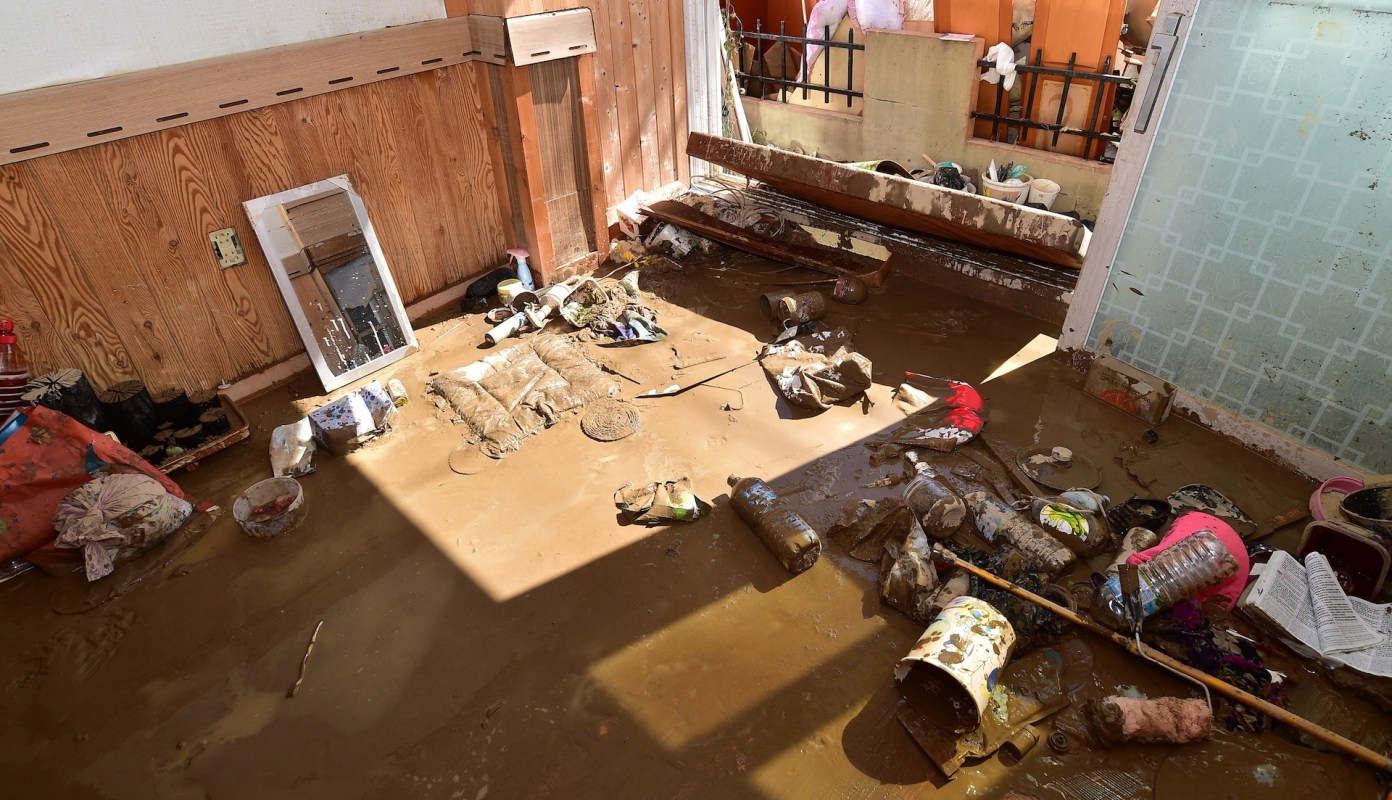
Repeated flooding has battered Charleston, West Virginia, so badly that some residents are considering leaving.
Here's what to know
According to West Virginia Watch, after three devastating floods over the past three years wrecked their home and belongings, Rhonda and Jerry Walker are choosing to leave their Charleston house they have lived in for 30 years.
A flash flooding event in early August contributed to a punishing pattern of repairs, losses, and uncertainty. The Walkers had already lost nearly everything in flooding connected to April 2024 storms. Then more than 4 inches of rain fell in Charleston, sending water back into their Garrison Avenue home and several nearby houses.
The repairs after the April 2024 flooding were extensive, Rhonda told the outlet, mentioning that they needed to replace their floors and everything underneath them.
"[It] did $35,000 worth of damage last time," she said.
They intended to save whatever belongings they could and place them in storage as they tried to decide what to do next. The Red Cross secured a hotel room for two nights, but after that, the couple still did not know where they would go.
TCD Picks » Quince Spotlight
💡These best-sellers from Quince deliver affordable, sustainable luxury for all




Elsewhere, the flooding affected parts of Kanawha County and Fayette County. With about 10.31 inches of rain already recorded around Charleston in August, the area was nearing the August monthly record of 10.54 inches, per the Watch.
After the brutal storms, Governor Patrick Morrisey issued a state of emergency across West Virginia.
"West Virginians have been hit by another round of severe weather at a time when many communities are still recovering from last month's storms," he said in a statement.
What can be done?
In the immediate aftermath of flooding, emergency lodging, cleanup assistance, and disaster relief can help families avoid even greater losses.
Yet communities facing repeated flooding often need stronger stormwater systems, better flood mapping, and more support for home buyouts, rebuilding, or relocation when properties become too dangerous to remain in. For some households, repeatedly repairing the same damage is no longer sustainable.
Keeping important documents in waterproof containers, reviewing flood insurance coverage, and making evacuation plans can also reduce some risks before the next storm hits.

Get TCD's free newsletters for easy tips, smart advice, and a chance to earn $5,000 toward home upgrades. To see more stories like this one, change your Google preferences here.







