


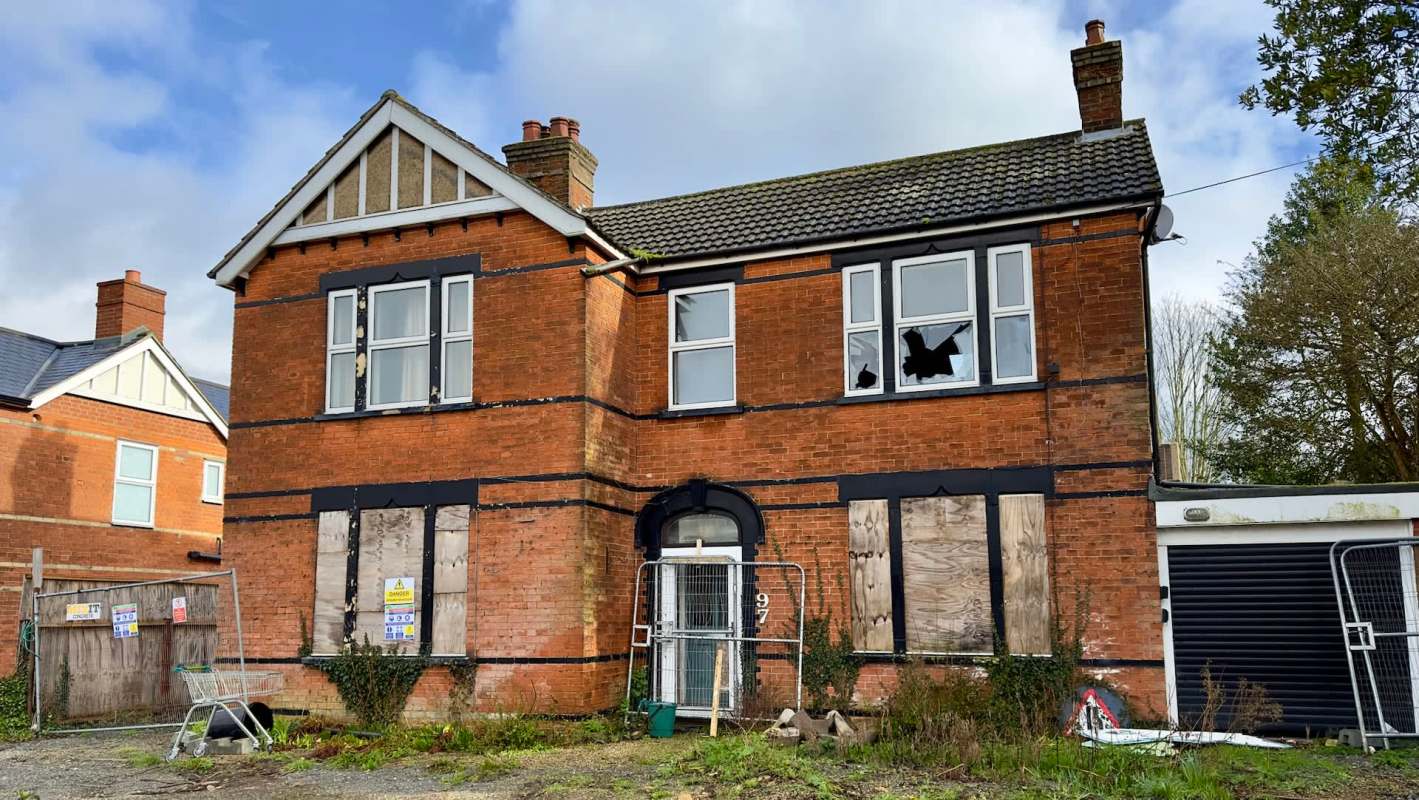
A U.K. homeowner described a renovation that had blown past both its budget and schedule. Their complaint quickly turned into a wider market question: are buyers now paying a bigger premium to avoid fixer-uppers?
Here's what to know
Posting in the r/HousingUK forum on Reddit, the homeowner said they were mid-renovation and had noticed that newly updated homes would "fly off the market" in their area, while homes needing work were being cut in price.
"This didn't used to be the case," they added. "People used to want a project house so they could make it their own plus likely add value/be able to grow into a house they wouldn't otherwise have been able to afford."
The homeowner asked, "Have things permanently changed now?"
"From my own experience, I would never do a full project renovation again," they admitted. "It's just too expensive and too stressful if you also work full time."
Commenters largely agreed, describing a market in which labor costs, delays, and stress have significantly changed the appeal of project homes.
TCD Picks » Quince Spotlight
💡These best-sellers from Quince deliver affordable, sustainable luxury for all




"I don't think the prices of project houses have quite adapted to reflect the cost of trades these days," one commenter wrote. "Feels like in 2020 you could do an extension for half the cost of today," and added that good trades are "hard to come by."
Another commenter said a refurb that was meant to take six months ended up lasting "about a year and a half" after tradespeople missed quote appointments, vanished after giving estimates, or failed to return for booked jobs. Other commenters pointed to the inconvenience, and sometimes hazard, of living through renovations, especially with children.
Some users said the price gap between a turnkey property and a rundown one can be too small to justify the gamble, especially when the discount is relatively small for a home that may need a new kitchen, bathroom, and more.
More background
Many commenters described not just higher renovation costs, but also the collapse of the old logic behind buying a doer-upper.
One commenter argued that the days of "casually throwing £80k [$107,000] at a renovation and expecting to make £200k [$267,000] back are pretty much gone," while another said sellers still value project houses as if cheap labor and easy profits were still available.
Several users also pointed to the emotional toll.
A commenter describing work on an old Victorian house said their loft renovation "has set us back £200k [$267,000], and has taken 8 months to complete," adding, "We hate this house now and want to move immediately."
Others said life stage is also driving the shift. One commenter argued that buyers stretching for a family home want a place they can use right away, not years of living on a building site.
What can be done?
Buyers said they are rethinking what counts as value.
Instead of betting on "potential," several commenters said they would now rather pay more for an already renovated older home than take on a larger but more tired property needing substantial work.
Some users also described changing how they budget.
One commenter compared "a house for £300k [$400,000] that needs 50k of work to make it habitable" with "a house that's clean and tidy for £325k [$433,000]," saying the second option is often the better deal once time, financing, and stress are factored in.
Others said they are scaling back projects instead of abandoning them altogether.
After going through "4 sparkies and 4 plumbers," one renovator said they ended up fitting their own kitchen and only hiring help for the worktops.
Another commenter said they had dropped plans for a two-story rear extension because of the likely cost and time needed to complete it.
The adjustment is less about giving up on personalization than about pricing in the true cost of trades, delays, second moves, and the possibility that an unfinished house may stop feeling like a dream home at all.
As one commenter said, paying more upfront can mean "you're buying yourself time, sanity and a home you can actually enjoy rather than another problem to deal with."
Where can I learn more?
Rising ownership costs are affecting housing decisions well beyond fixer-uppers.
• Across the U.S., high home insurance rates are giving buyers one more reason to walk away.
• Online buyers said tiny home prices keep climbing, undercutting the bargain many once expected.
• In U.S. cities, each extra Walk Score point can add thousands to home values.

Get TCD's free newsletters for easy tips, smart advice, and a chance to earn $5,000 toward home upgrades. To see more stories like this one, change your Google preferences here.






