



A first-time homebuyer went into an inspection expecting a reasonable punch list and instead came away facing possible roof, HVAC, mold, sump pump, and sewer problems before ever getting the keys.
The report identified 16 deficiencies and three "Safety/Immediate Action" items. Commenters reached a consensus: Don't agree to inherit someone else's deferred maintenance.
Here's what to know
Among the smaller problems were oven burners that did not work, leaking bathroom sinks, missing smoke detectors and a CO alarm, exposed splices in a junction box, a bathtub diverter issue, and missing GFCI protection. In a Reddit thread, the OP said the inspection totaled "nine Maintenance/Monitor," "16 Deficiencies," and "three Safety/Immediate Action" findings.
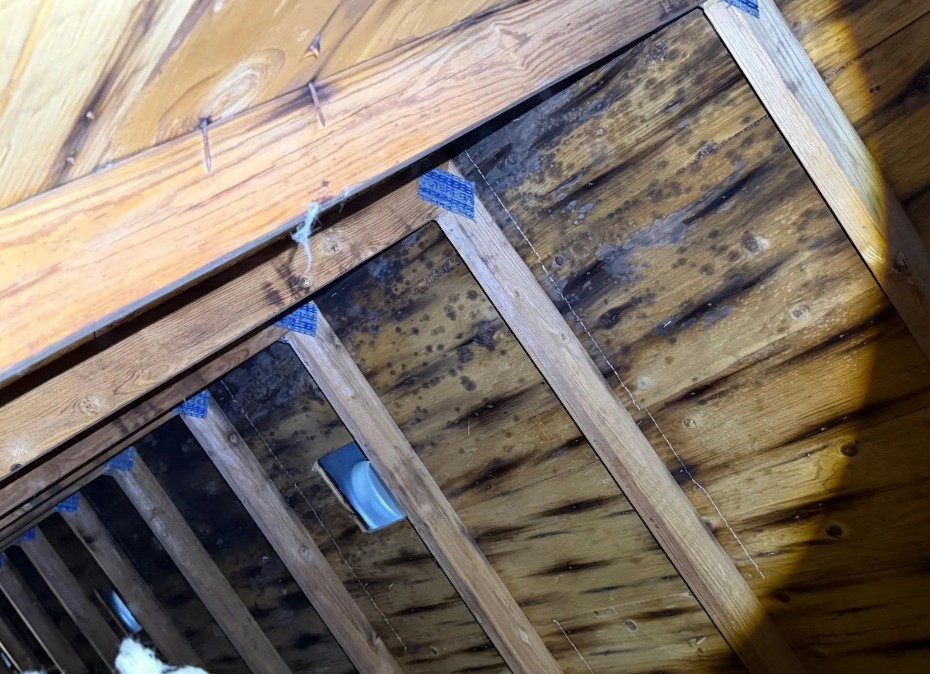
More serious findings centered on the home's major systems. The sewer line was flagged for hydrojetting and a scope because of roots and sludge buildup, the sump pump discharge was connected to the main sewer, and mold on attic boards raised the possibility of "a leak or venting issue." The report also said the roof was "last repaired in 2008" and that the HVAC condenser and furnace were "both years past age expectancy."
The buyer said, "I have a feeling that based on how negotiations went, the seller isn't going to want to fix any of the major issues, much less offer a credit." After the buyer shared attic photos in the comments, one user responded: "After seeing this, I would say walk! That's bad."
More background
The inspection appeared to go well beyond the usual first home frustrations. Missing detectors or a leaking sink may be inconvenient, but a roof replacement, aging HVAC equipment, mold remediation, and sewer work can quickly turn a home purchase into a major financial burden.
TCD Picks » Quince Spotlight
💡These best-sellers from Quince deliver affordable, sustainable luxury for all




Several users described the report as a clear sign of deferred maintenance. One said: "Run away! You shouldn't have to take care of all their deferred maintenance items," adding that the buyer could be "looking 50k to 100k in just repairs." Another user called the house "a money pit."
A few users argued that the answer depended on context rather than the inspection alone. If the home was already priced below market because of its condition, one said, the seller might not offer much more; if it was still listed at market value, the buyer should "negotiate a credit." Another user said the workload "might be too much" for a first-time buyer but could be more manageable for someone "who knows what they're getting into."
What can be done?
According to the buyer, their agent planned to seek repairs or replacements for the main trouble spots, including the roof, HVAC, mold, sump pump discharge, and sewer line. An inspection contingency can make the difference between moving forward with some protection or avoiding a massive expense altogether.
Pricing also came up as a factor. One user suggested that a house already discounted for its condition might leave little room for further concessions, while a home listed at market price is a stronger case to "negotiate a credit." A credit or seller-paid repair could help offset major costs.

Get TCD's free newsletters for easy tips, smart advice, and a chance to earn $5,000 toward home upgrades. To see more stories like this one, change your Google preferences here.






