


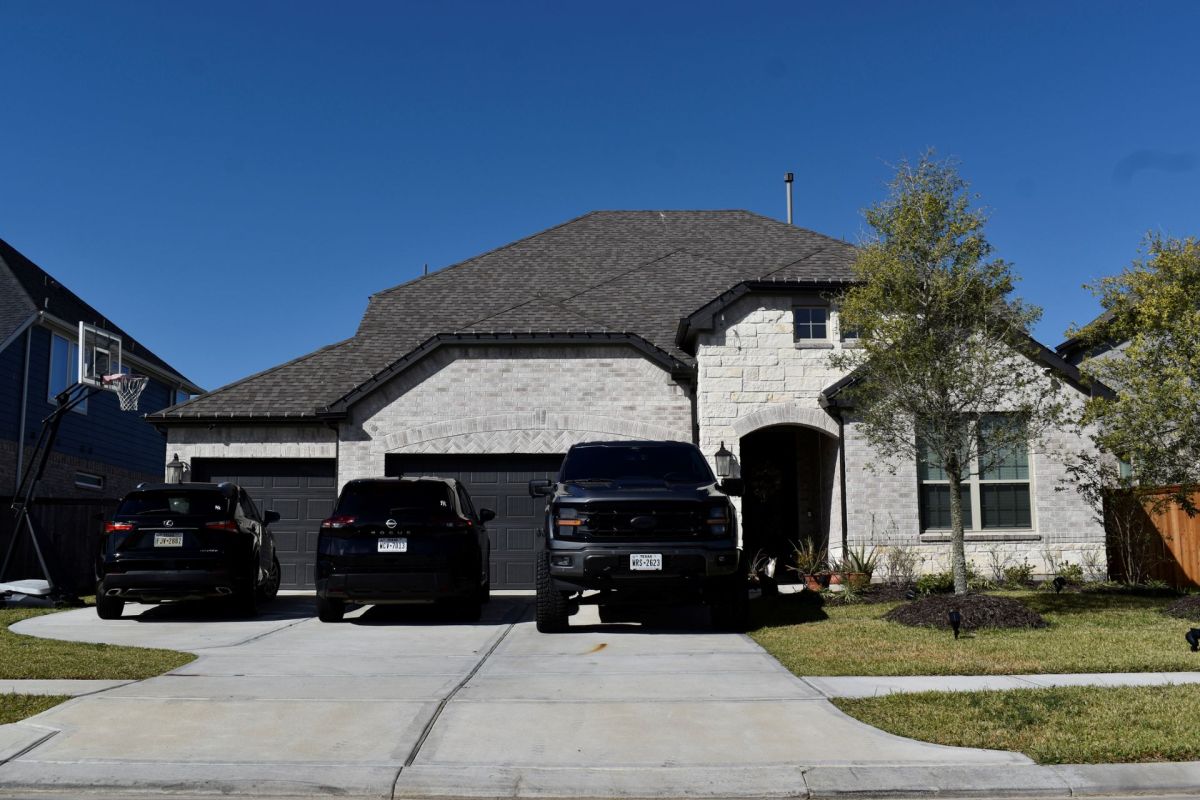
In Texas, a first-time buyer moved into a home believing its widened driveway came with the property. The homeowners association told them to seek approval for the extra paved section — then turned that request down.
Here's what to know
According to the homeowner in a Reddit thread, the HOA said the previous owners had already been notified about the added driveway space. The buyer said the expansion, which increased the driveway from room for five cars to six, was already in place when they bought the house. Less than a month after moving in, they were told to file for approval, and the request was denied because: "The proposed driveway expansion is not architecturally consistent with the community streetscape and would result in an excessive increase of paved surface within the front yard area."
In an update, the OP said two neighbors with matching driveways told them the HOA had said "NOTHING about their driveway." The buyer had also written that they drove around the neighborhood and found "another 3-4 houses with the same size driveway."
The discussion soon shifted to sale documents after the OP replied: "Sadly, the title company replied that a resale certificate was not requested. I must have missed it."
That came after one user said, "The title company should have [received] an [estoppel] from the HOA prior to closing stating the property had no existing violations."
More background
The homeowner said the HOA contacted the prior owners a few months before the home changed hands, but the new owner wasn't notified until after they moved in.
TCD Picks » Quince Spotlight
💡These best-sellers from Quince deliver affordable, sustainable luxury for all




They said the association now wants them to "remove it and pay for the damages," even though the widened driveway was there before they purchased the property.
The OP said two neighbors with the same driveway had not been cited, while another neighbor had only heard from the HOA about rocks in the front yard. HOA disputes aren't limited to driveways; associations also push back on money-saving home upgrades such as rooftop solar panels or native-plant lawns.
What can be done?
Much of the advice focused on reconstructing the paper trail from the purchase. Users suggested gathering closing records, especially HOA disclosures, title paperwork, and any resale certificate, and contacting the title company, realtor, and a real estate attorney to determine whether the earlier notice should have been disclosed before the sale.
They also said the buyer should continue using the HOA's formal channels instead of letting the issue sit. One user advised them to "submit the ARC request as they are asking, and appeal it when/if it is denied," while another recommended asking for a hearing, bringing photos of the other similar driveways, and requesting any public variance records tied to those homes.
Questions about property changes or neighborhood restrictions can involve HOA rules, paperwork, and options for challenging them. TCD readers can learn more about working with HOAs when questions about property changes or neighborhood restrictions come up.
The OP said they were a "first time home owner, with no experience and nobody to ask."
Where can I learn more?
Disputes like this also come up when HOAs challenge changes after the fact or enforce rules unevenly. These articles cover homeowners dealing with HOA demands over driveways, landscaping, gates, solar panels, and other exterior upgrades.
• A homeowner watched the HOA backtrack on approval for a water-saving retaining wall.
• Another resident was told to remove a previously approved change after a new HOA complaint.
• One homeowner found a clever workaround after the HOA pushed back on a backyard gate.
• A homeowner asked whether a petty HOA was retaliating after a legal home addition.

Get TCD's free newsletters for easy tips, smart advice, and a chance to earn $5,000 toward home upgrades. To see more stories like this one, change your Google preferences here.






