


The Federal Emergency Management Agency has recommended that households keep at least three days of food, water, and backup power for essential devices for emergency preparedness.
Here's what to know
A CBS News Pittsburgh "Hey Ray" explainer outlined FEMA's 72-hour baseline, listing water, nonperishable food, and charged batteries among the household essentials to keep ready.
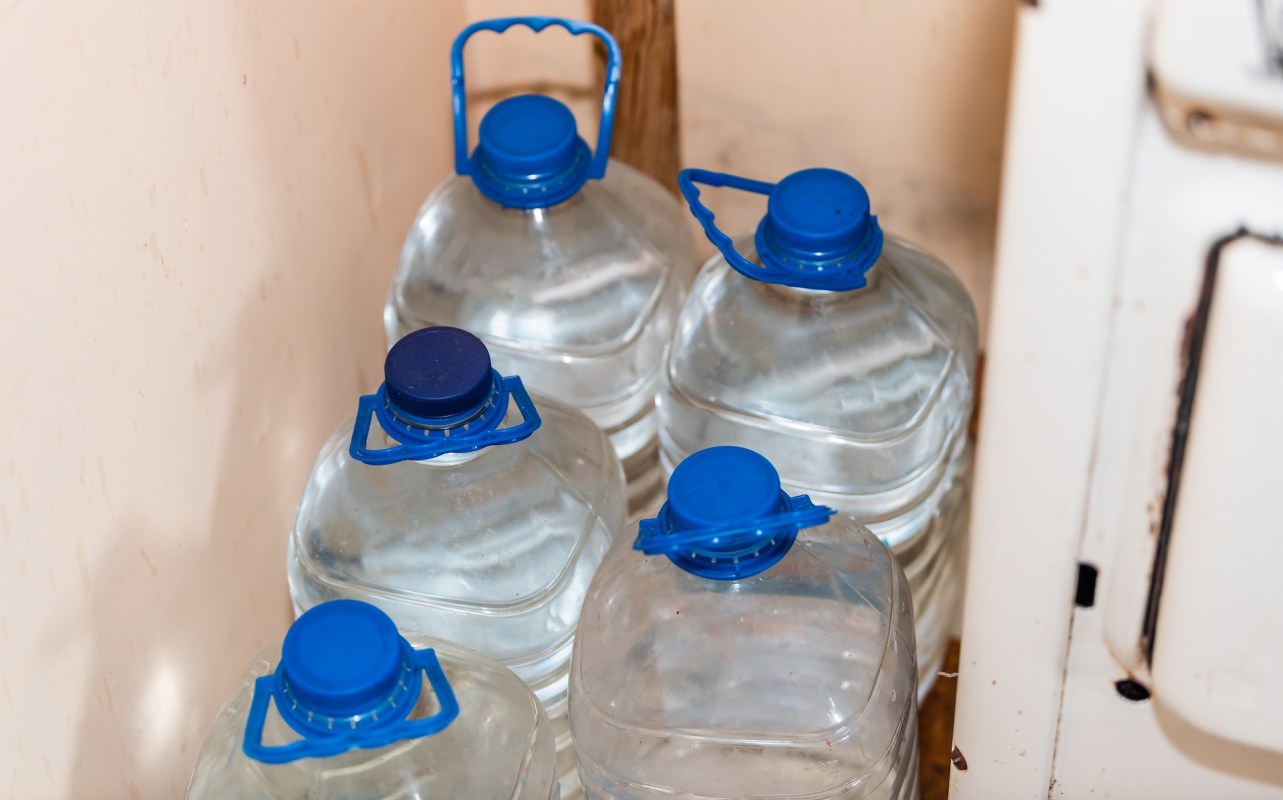
The recommended water supply is one gallon per household member each day. Households can store tap water rather than buying commercially bottled water, as long as they follow proper storage practices.
When assembling a food supply, choose items people will eat that keep well and are easy to prepare. Canned goods, rice, and beans were among the suggested options.
More background
Not every emergency allows shoppers the time to go out for milk, bread, and toilet paper. Weather warnings may give households several days to get ready, but a water outage can leave people scrambling for supplies with little notice.
Make sure to account for allergies and other dietary needs when storing food supplies.
TCD Picks » Quince Spotlight
💡These best-sellers from Quince deliver affordable, sustainable luxury for all




What can be done?
A manual can opener is recommended so that it can be used even when the power is out.
The explainer advised charging power banks ahead of forecast bad weather and making sure flashlights are charged or have batteries available. Power banks and batteries can help keep communication devices and lighting working during an outage.
The explainer urged readers to assist neighbors or others with gathering emergency supplies whenever possible.
Households may need to set aside additional cooking water if they rely on emergency food buckets, which are sold in stores and online. Many of those products contain dry foods that require water to prepare.

Get TCD's free newsletters for easy tips, smart advice, and a chance to earn $5,000 toward home upgrades. To see more stories like this one, change your Google preferences here.






