


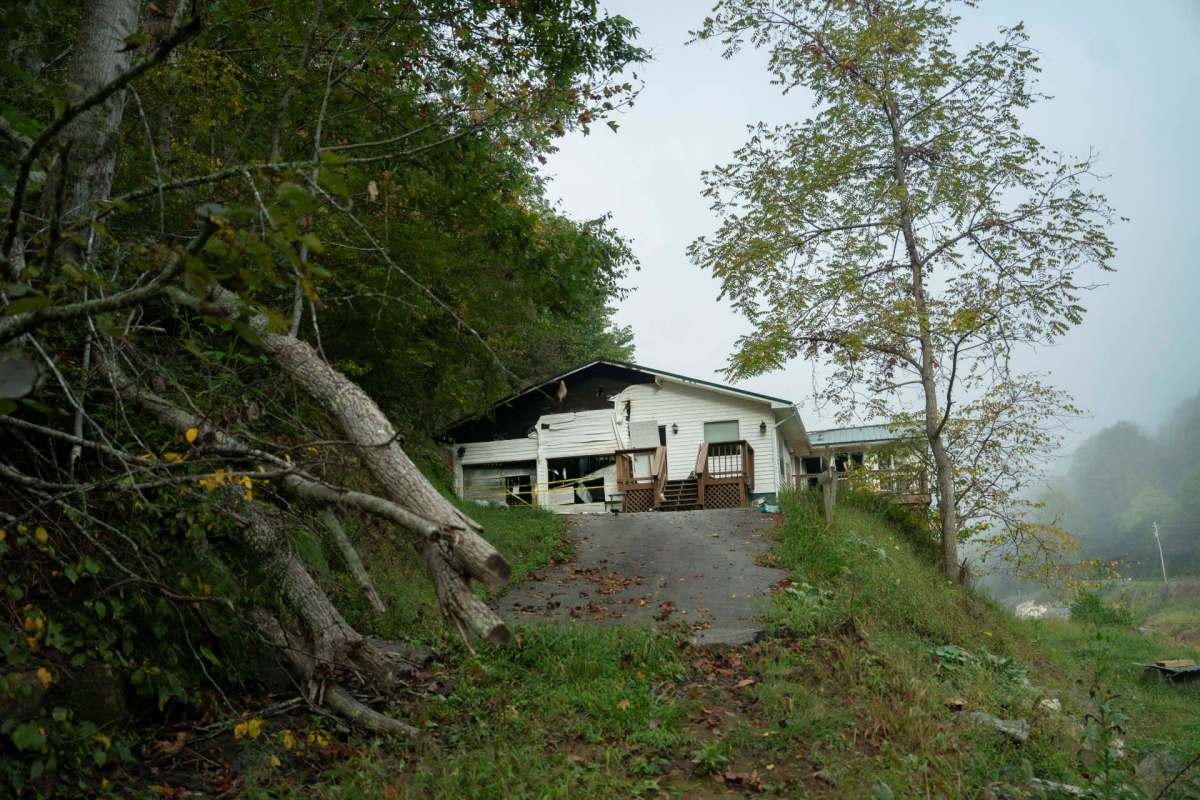
A gap in federal flood policy has steered some North Carolina residents back onto land with a history of repeat flooding, including families with few affordable housing options, according to a report co-published by ProPublica and The Assembly.
Here's what to know
In September 2024, Hurricane Helene killed more than 250 people, including 108 in North Carolina, and left Asheville residents without drinking water for 53 days. In North Carolina, 1 in 4 storm deaths were linked to mud and landslides.
Ren Larson reported for ProPublica and The Assembly that a federal policy failure was evident at a mobile home park in Haywood County, where residents were allowed to remain on riverfront lots even after earlier storms had already destroyed homes there.
Joe Rogers moved into the park in 2006, when flood maps showed the property was at risk but not at a level that would have required his home to be elevated.
In 2024, that difference reportedly turned deadly.
Rogers and his wife, Sandra, had already survived a smaller flood in 2021. When Helene hit, the water rose from ankle height to chest level in under an hour.
TCD Picks » Quince Spotlight
💡These best-sellers from Quince deliver affordable, sustainable luxury for all




Joe escaped with the help of neighbors, but after the home floated off its foundation and drifted downstream, Sandra was swept away and died. During Hurricane Helene, 1 in 4 storm deaths in North Carolina were linked to mud and landslides.
More background
The risk had reportedly been evident for years.
In 2004, Hurricane Frances destroyed homes in the same park. Resident Dave Masters recalled watching floodwater wrench his father's mobile home free, carry it down the street, and smash it into a telephone pole before it ended up stuck beneath a bridge.
County officials responded to those floods by buying a home on the other side of the river to reduce future risk, but the mobile home park was not included, according to ProPublica and The Assembly. That left the area open to more residents moving into the same flood-prone land.
John Dorman, former director of North Carolina's Floodplain Mapping Program, told ProPublica and The Assembly that coastal areas have often received more attention than inland ones, leaving many communities with maps dating to the 1970s or 1980s.
Some areas follow only the minimum federal standards, and those rules can still allow campers and recreational vehicles in floodplains. At that park, five campers are now on riverfront lots where mobile homes once stood.
"Ain't that the definition of insanity: keep doing the same thing, hoping for a different result?" Rogers told ProPublica and The Assembly. "They're going to — I hope none of them does, you know — lose a spouse and everything that they own."
What's being done?
Elsewhere, in Texas, the Association of State Floodplain Managers developed model ordinances calling for yearly permits for campgrounds in floodplains, updated emergency plans, and tighter limits on building in floodways after the devastating 2025 floods.
Meanwhile, North Carolina Emergency Management told ProPublica and The Assembly that buyouts for mobile home parks are handled the same way as those for commercial or residential properties, meaning park owners and local governments must pursue them. In Haywood County, the recovery officer said he "did not know it was even possible" to buy out mobile home parks.
Where can I learn more?
These stories offer a broader look at Helene's fallout in Asheville and insurance gaps that leave residents exposed after disasters.
• In North Carolina, officials kept approving homes in flood-prone areas as maps fell behind.
• In Asheville, the climate haven myth collapsed when Helene cut off drinking water for weeks.
• In Louisiana, regulators let insurers flee the flood market, deepening homeowners' long-term risk.
• In California, a major insurer pulled back from flood coverage, leaving homeowners more exposed.
• In Milwaukee, Wisconsin, floods exposed home insurance caveats for renters scrambling to recover.

Get TCD's free newsletters for easy tips, smart advice, and a chance to earn $5,000 toward home upgrades. To see more stories like this one, change your Google preferences here.






