


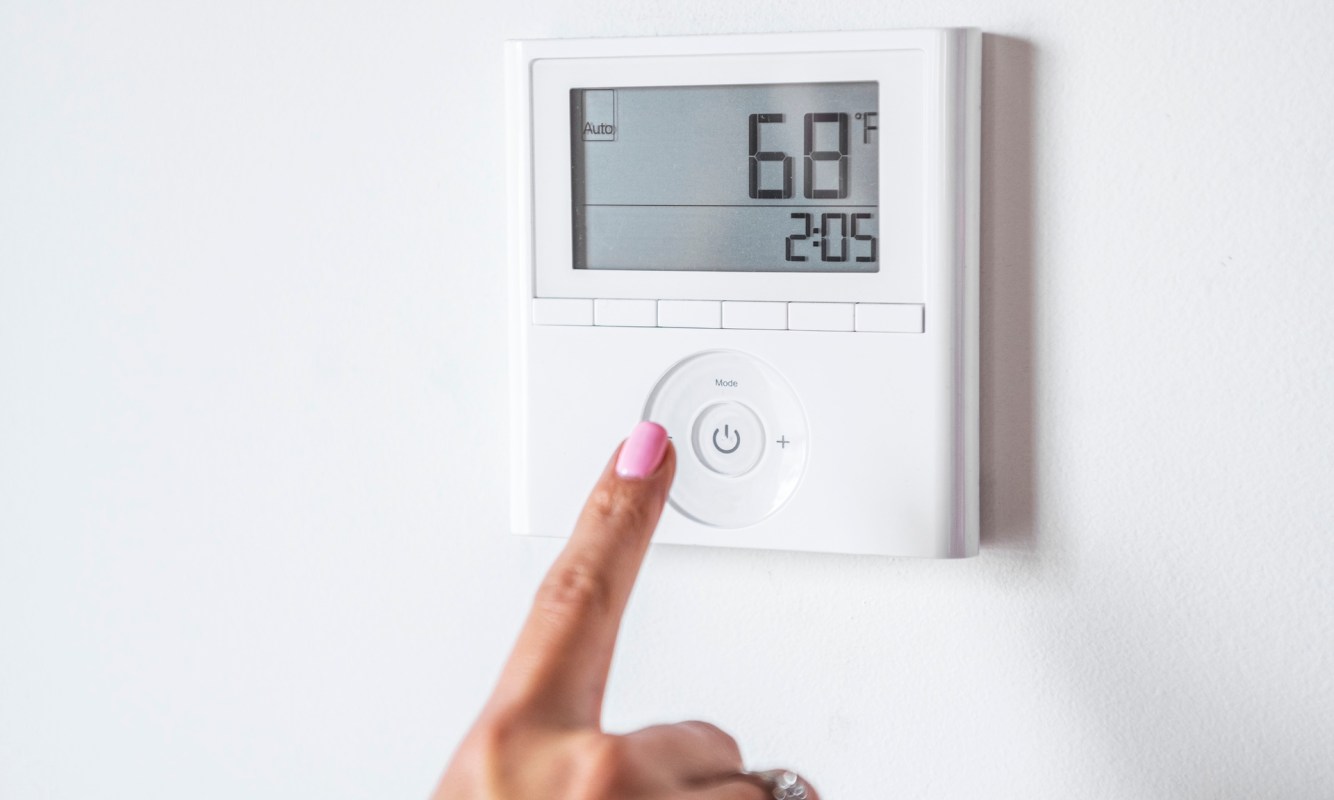
Picking a fall thermostat setting can be awkward because the same day may start cold and end mild. Drawing on HVAC advice summarized by Hunker, one common strategy is to keep the heat around 68 degrees Fahrenheit during the day, then dial it down when you need less warmth so comfort doesn't come with a bigger bill.
Here's what to know
In a roundup published on Oct. 26, Hunker examined the fall "shoulder season," when indoor needs can shift from a chilly morning to a much warmer afternoon. Across the guidance it collected, 68 degrees Fahrenheit stood out as the standard daytime setting when heat is needed.
Hunker cited HVAC expert Kim Lincoln, who spoke to Real Simple, along with broader recommendations from heating and cooling companies. Taken together, that advice framed 68 degrees as a dependable middle ground for comfort and energy use.
That doesn't mean every home will land on the same number. Local weather and personal preference can make a setting anywhere from 64 to 70 degrees a reasonable choice without necessarily creating an unnecessarily high utility bill.
Because fall is a transitional season, we recommend favoring consistency over treating it like full winter heating. A moderate setting can keep a home comfortable without making the system work harder than necessary.
More background
Autumn is especially difficult because temperatures can shift a lot in a single day. A cold morning followed by a bright afternoon often encourages people to keep revisiting the thermostat.
TCD Picks » Quince Spotlight
💡These best-sellers from Quince deliver affordable, sustainable luxury for all




Hunker's summary said that repeatedly adjusting the heat can strain the system while still failing to create even comfort throughout the home. Simply changing the setting again and again does not automatically improve the result.
The thermostat setting is only part of the equation. Humidity and the overall feel inside the home also matter when deciding on small adjustments, especially during a season when conditions can change within hours.
Handled well, a fall thermostat strategy can cut wasted energy while keeping the home comfortable during a season that rarely stays steady for long.
What can be done?
One way to manage that variability is to use a schedule instead of reacting to every temperature swing. Mike Naughton, founder and CEO of Integrity Energy, told Martha Stewart, "At night, or when you're away for an extended period, you can lower the temperature a few degrees to save energy while keeping the home comfortable."
Hunker paired that with a more specific rule of thumb: lowering the thermostat by about seven to 10 degrees overnight and whenever the house is empty is a common way to save energy and reduce costs.
The same general routine can also be useful beyond fall. Smaller scheduled changes, rather than repeated dramatic adjustments, can help keep bills lower while giving the heating system a more predictable workload.
Kim Lincoln, an HVAC expert, summed up the approach in Real Simple: "I recommend setting the thermostat near 68 degrees Fahrenheit when heating is needed, making modest adjustments when sleeping or away, and letting indoor comfort and humidity guide you."
Where can I learn more?
For more on keeping heating costs in check, these stories look at thermostat settings, furnace choices, repair timing, and seasonal demand.
• A New York utility says a 65-degree setting could cut heating use by 15%.
• Homeowners trying to cut oil costs are urged to heat the bed, not the air.
• One homeowner avoided replacing a 1962 Lennox after one thermostat setting stopped long furnace cycles.
• In Massachusetts, early heating-aid demand jumps as HVAC firms warn against repair delays.
• Higher variable-furnace quotes leave one homeowner weighing comfort vs. savings before replacing equipment.

Get TCD's free newsletters for easy tips, smart advice, and a chance to earn $5,000 toward home upgrades. To see more stories like this one, change your Google preferences here.






