


Manufactured homes often represent one of the few attainable paths to homeownership. But when residents own the structure and not the lot it sits on, that stability can disappear quickly — a reality now confronting one Fair Haven, Vermont, community.
People living in a small park there say they could soon be displaced, with only a short window to act. With tight roads and the limited mobility of mobile homes that haven't been moved in years, their most valuable possession may not be coming with them.
What happened?
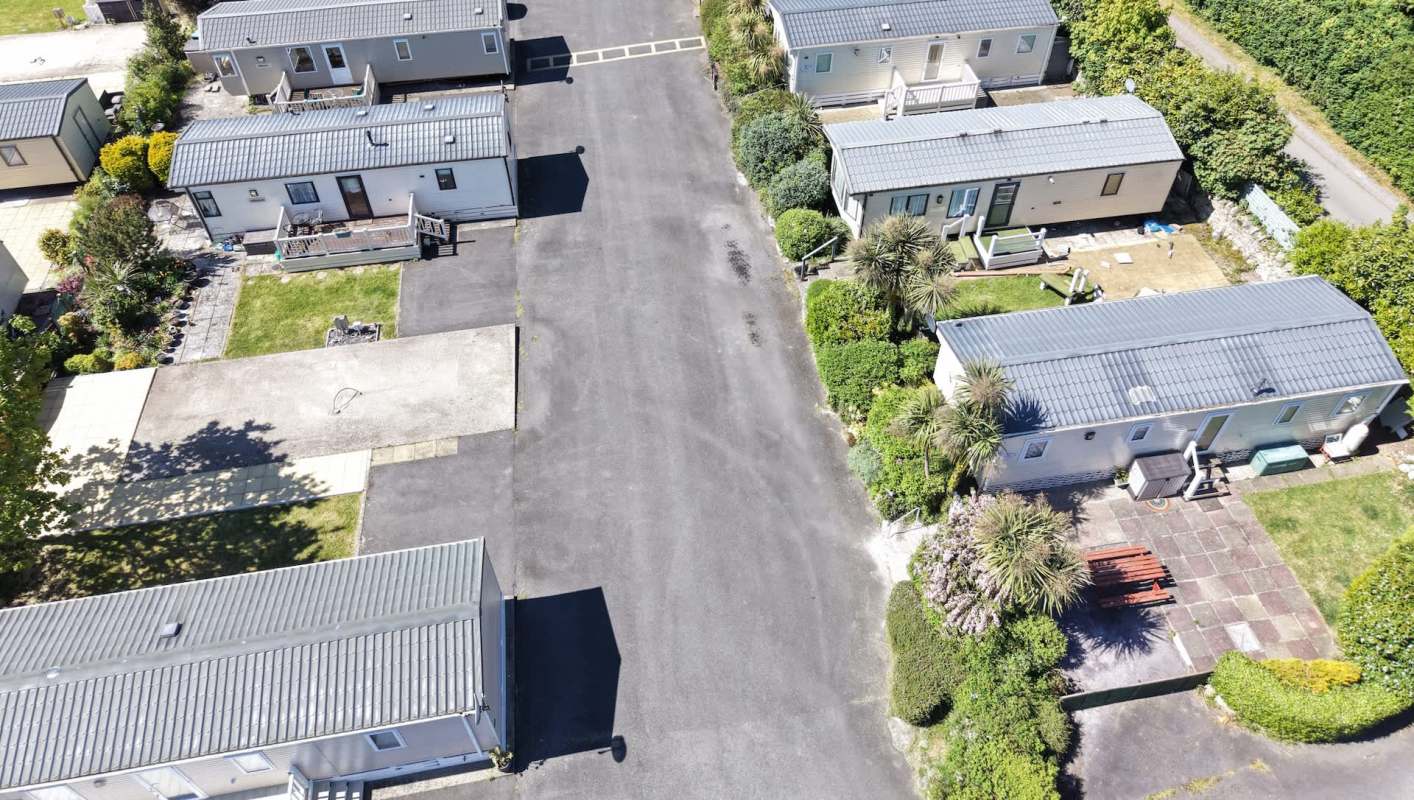
At Green Mountain Mobile Manor in Fair Haven, Vermont, residents were told the park may shut down by Sept. 1 through a fast-tracked state closure process, according to VTDigger and Vermont Public. State law normally allows about 18 months for a closure.
The news hit Hope Turi especially hard. Turi, who lives in the park and has five children, said her family bought the home for $15,000 after moving to the area to be nearer to relatives and medical specialists, making the purchase feel like a workable fresh start.
"It was a perfect opportunity for us," she said. "Just until I got through school, we could actually buy a nice house."
The 20-lot park has been burdened for years by serious issues. The estate that owns the property remains in probate, owes substantial tax and water bills, and is dealing with worsening water and septic problems.
TCD Picks » Quince Spotlight
💡These best-sellers from Quince deliver affordable, sustainable luxury for all




In a letter requesting a faster shutdown, estate administrator Kevin Kite, a Middlebury attorney, wrote: "To date, we have managed to avert catastrophe, but continued operation poses a substantial risk that a major failure will place residents at immediate and prolonged risk to their health and safety."
Why does it matter?
The situation highlights a basic vulnerability in manufactured housing: while it is one of the most affordable ways to buy a home, residents in parks often do not own the land beneath it. If a park shuts down or the property is sold, their options can narrow quickly.
The problem is even harder because many manufactured homes are difficult to move in practice, even if they are technically "mobile." Families may face high relocation costs, road restrictions, and the challenge of locating another open lot.
That means residents could be forced to leave their homes behind without compensation from either the estate or the state.
The case also reflects a broader housing power imbalance. Across the country, landlords have been known to prevent renters from adopting money-saving lifestyle changes, including gardening and hanging clotheslines to dry their laundry.
What's being done?
Vermont has put some protections in place for manufactured-home owners. Residents may be able to pursue a collective purchase or work with a nonprofit buyer when a park is put up for sale.
Still, Housing Commissioner Alex Farrell said small parks face particularly difficult maintenance burdens.
"Those things age, and when it comes time for a major upgrade, that's a huge hit for, say, just 10 households," Farrell said.
Turi said residents did briefly explore buying the park together, and some are still trying to build another plan. But Julia Curry, a co-director at Cooperative Development Institute, said the park's small size, vacancies, and infrastructure issues made it an especially difficult case.
"I've never seen such a long list of challenges," Curry said.
If you want to work with a landlord or homeowners association to update restrictive rules, The Cool Down's HOA guide offers a starting point.
There may be little immediate help in Fair Haven. With time running down, Turi wrote, "The closure of Green Mountain Mobile Manor cannot end with families being told to abandon their homes and simply figure it out on their own."
Diane Ferguson, a longtime resident, put it even more starkly: "We don't have nowhere to go, no money."

Get TCD's free newsletters for easy tips, smart advice, and a chance to earn $5,000 toward home upgrades. To see more stories like this one, change your Google preferences here.






