


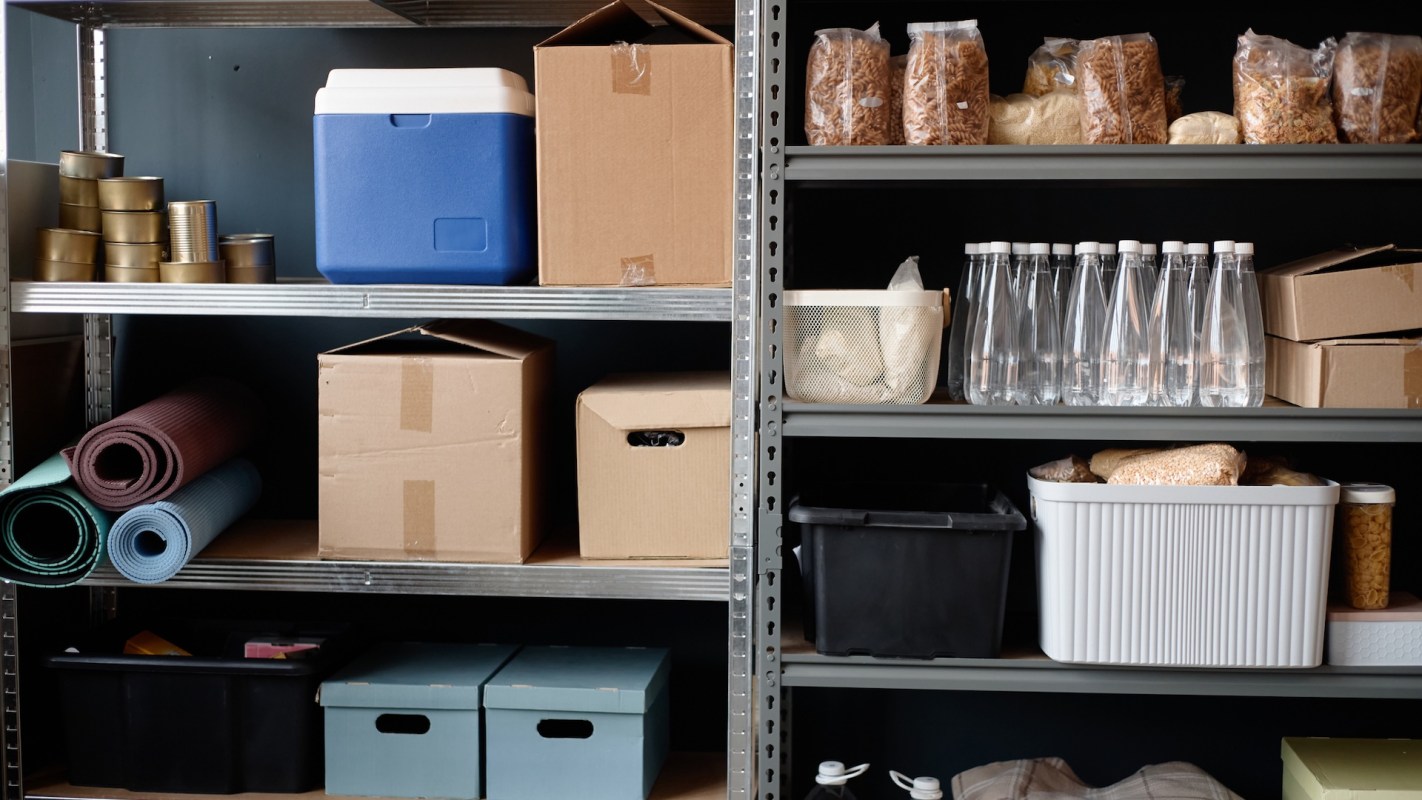
A European prepper asked the internet how to build an emergency stash that will still be useful years later without it becoming another pile of supplies that needs constant upkeep.
Here's what to know
In a Reddit thread on the site's r/Preppers forum, the original poster explained, "What I want to build is a secondary storage in which I drop items just to have and be prepared but which I don't have to rotate or think about."
OP also said they had already filled four food-grade containers with rice, pasta, and beans sealed in Mylar bags with oxygen absorbers, plus a fifth container of candles.
The strongest advice in the thread was that "store and forget" prepping works best when it focuses on long-lasting basics rather than gear that can leak, expire quickly, or require frequent testing.
Among the closest matches, commenters pointed to freeze-dried food, water purification tablets, and lithium AA batteries, which one commenter said can last 10 to 20 years.
A commenter summed up the tradeoff clearly, writing, "There is no truly 'set-and-forget', with prepping, but I get the idea- something you maybe check every year or two, instead of weekly or monthly."
TCD Picks » Quince Spotlight
💡These best-sellers from Quince deliver affordable, sustainable luxury for all




Practical household supplies came up repeatedly, too. One commenter wrote, "Freeze dried food is a big one." and paired that with shelf-stable items like baking soda, borax, washing soda, and bar soap.
Another suggested using the remaining bins by function instead of mixing everything together, such as one for water treatment and sanitation, one for medical and hygiene supplies, and one for repair items such as batteries, duct tape, cordage, and tarps.
More background
The thread centered on everyday resilience rather than extreme scenarios. A backup stock of dry goods, water treatment supplies, soap, first-aid items, and batteries can be useful during power outages, severe weather, temporary supply shortages, or a sudden need to shelter in place.
The discussion also made clear that even low-maintenance supplies are not completely maintenance-free. After commenters suggested fire-starting gear, another user noted one limitation, writing, "The lighters will have to be rotated, not super quickly but they do go to crap after a few years."
The best backup supplies store safely, last a long time, and still solve ordinary problems when you finally need them.
Where can I learn more?
Other preparedness stories look at how households approach long-term food storage and backup power.
• A homeowner looking for cheap and easy backup meals found options that fit allergies and vegetarian diets.
• Preppers comparing blackout plans said solar panels are better than generators for quieter, cheaper resilience.
• Home energy experts said next-gen backup batteries are pulling homeowners away from old generators.

Get TCD's free newsletters for easy tips, smart advice, and a chance to earn $5,000 toward home upgrades. To see more stories like this one, change your Google preferences here.






