


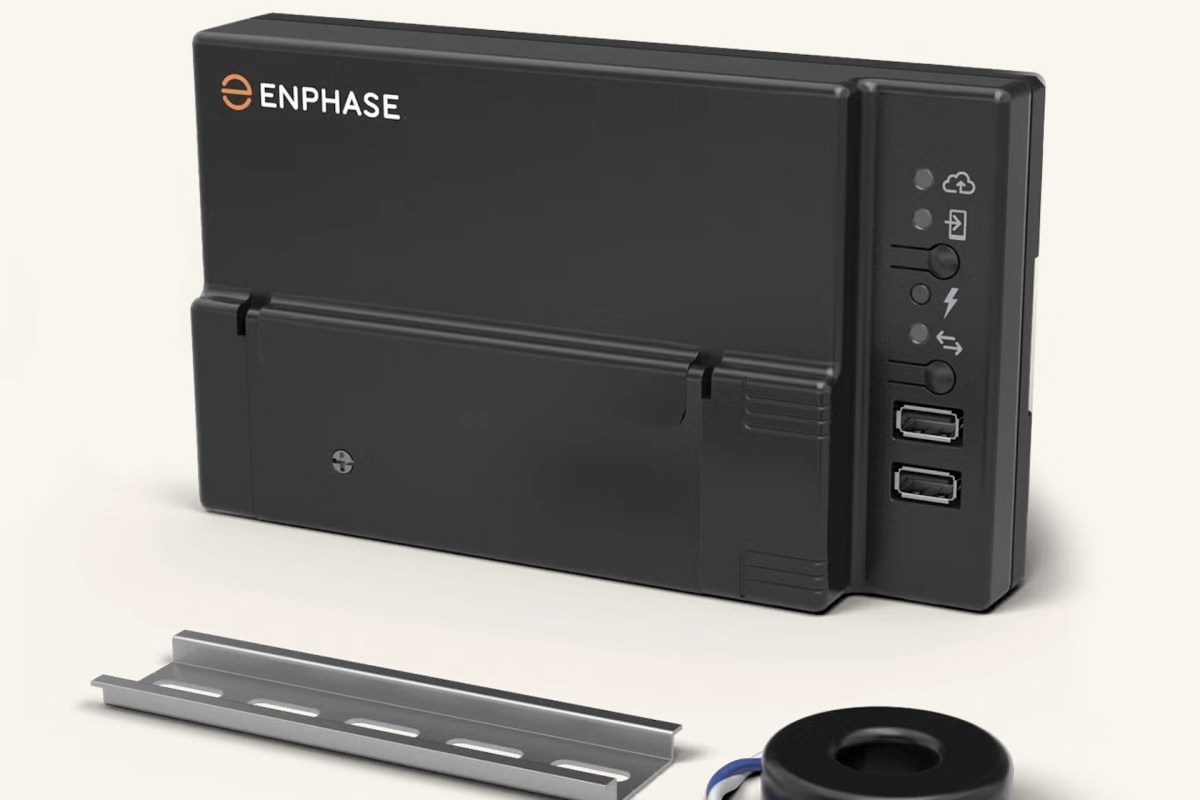
A solar monitoring app is supposed to make home energy use easier to understand. But for one Enphase owner, it did the opposite, showing nearly 900 kilowatt-hours of electricity use in a single day — far above the household's normal range.
The strange spike reminds us not to delete unusual data before checking whether it reflects a real problem.
Here's what to know
In a Reddit thread on r/solar, the original poster said they typically use 30 to 60 kilowatt-hours a day.
"We suddenly had one day that showed we used almost 900kwh in one day, more than the total used most months," they wrote. "Is there any way to go back and remove that anomaly? It is skewing my total numbers for the year with almost an additional mega watt baked into my daily numbers."
Commenters urged caution before dismissing the reading as an app glitch.
"900 kWh in 24 hours is an average load of 37.5 kW running continuously, which is wildly different from your normal 30–60 kWh/day," one user wrote.
Solar owners use app data to check system performance, household demand, and whether a utility bill makes sense. Bad readings can lead to bad conclusions.
For households considering panels, going solar is one of the best ways to save on home energy. You can explore EnergySage to get free installation estimates and compare quotes.
Save $10,000 on solar panels without even sharing your phone number Want to go solar but not sure who to trust? EnergySage has your back with free and transparent quotes from fully vetted providers that can help you save as much as $10k on installation. To get started, just answer a few questions about your home — no phone number required. Within a day or two, EnergySage will email you the best local options for your needs, and their expert advisers can help you compare quotes and pick a winner. |

More background
Smart energy monitoring is only as reliable as the hardware and setup behind it. In the thread, several people said the homeowner should match the app against the utility meter and inspect the CT clamp, or current transformer, that measures power flow.
The original poster later added, "The utility bill was showing about 900kwh for the month. we go have CTs for monitoring the system. this is the only anomaly for a year."
That made the one-day spike look even more suspicious, since the app appeared to log an entire month's usage in a single day.
If the problem is only in the monitoring software, support may be able to correct the historical record. If the utility data also shows a true spike, though, it could point to a serious appliance issue, a wiring problem, or another hidden drain.
More From EnergySage
💡Go deep on the latest news and trends shaping the residential solar landscape



What can be done?
Rather than erase the outlier right away, commenters said to document it first. Suggestions included saving screenshots, comparing the date with utility meter or usage data, and studying the graph's shape for clues that a sensor or configuration error—not real consumption—caused the reading.
One commenter said, "Give Enphase customer support a call and they can delete the spike error with homeowner approval."
That could preserve accurate annual data without forcing the homeowner to guess at the cause.
Energy planning tools can also help consumers compare solar costs and incentives. With EnergySage's help, the average person can save up to $10,000 on solar purchases and installations. EnergySage's solar map shows average home solar system costs by state and details on incentives for each state.
Adding battery storage to a solar setup can help during outages, lower energy costs, and let homeowners keep more of the electricity their panels generate. You can explore EnergySage for information about home battery storage options, including competitive installation estimates.
As one commenter put it, "If the utility shows a normal day but Enlighten shows 900 kWh, then you've got pretty strong evidence that this is a monitoring/CT/data issue rather than real consumption."
Where can I learn more?
When solar data looks off, the next step is figuring out whether the problem is the app, the meter, or the bill itself. These articles look at that same issue, from homeowners comparing monitoring software with utility charges to others sorting through how solar and battery choices show up on real energy bills.
• In South Carolina, a solar homeowner saw 900 kWh from the grid on a $150 bill despite app-reported exports.
• One solar homeowner used a prepaid utility plan so effectively the bill dropped to -$500.
• Solar owners say full-home battery backup can make outages almost unnoticeable during grid failures.
They underscore the value of checking the numbers before deciding on support calls, system upgrades, or energy spending. For anyone trying to make sense of a strange spike, that context can make the next move a lot clearer.

Get TCD's free newsletters for easy tips, smart advice, and a chance to earn $5,000 toward home upgrades. To see more stories like this one, change your Google preferences here.






