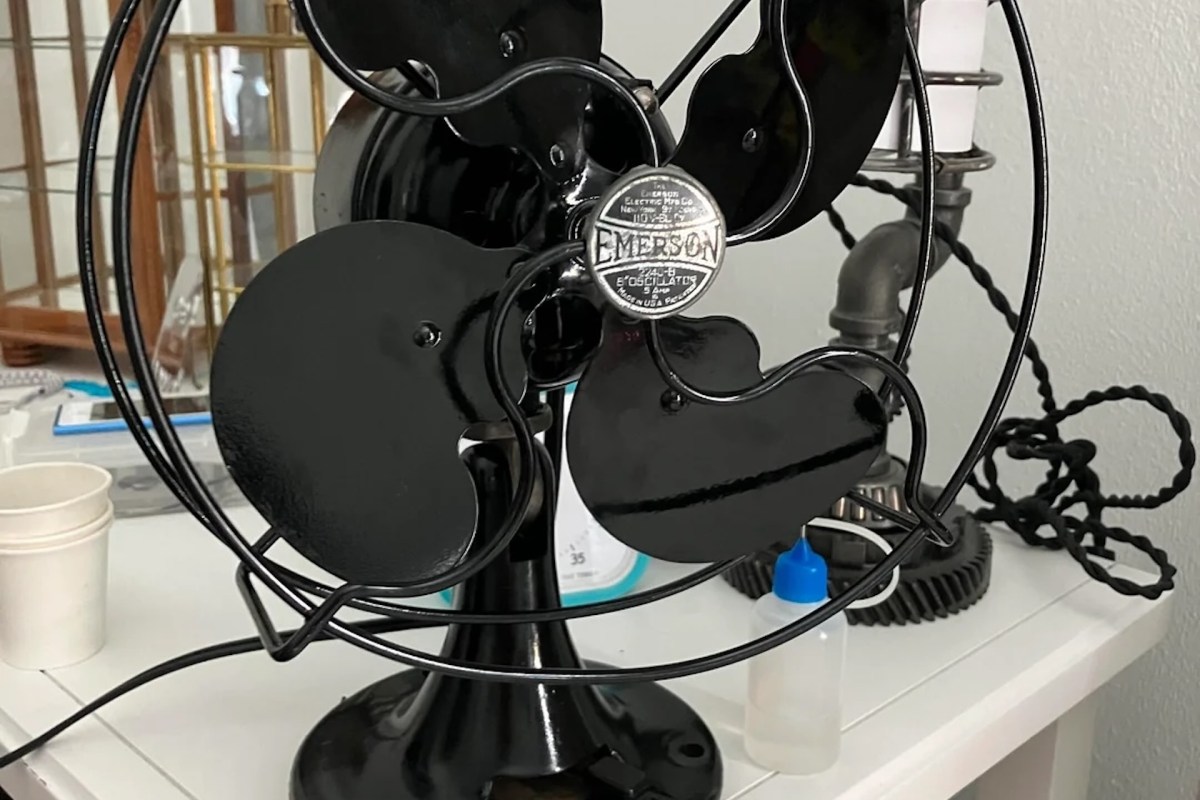
A roughly 90-year-old Emerson fan is showing internet users what long-lasting design can actually look like.
With its cast-iron construction and a restoration that reportedly came down to just two small fixes, the fan offers a striking contrast with the kind of modern products that are often treated as disposable.
Here's what to know
The antique fan was featured in a post on Reddit's r/BuyItForLife.
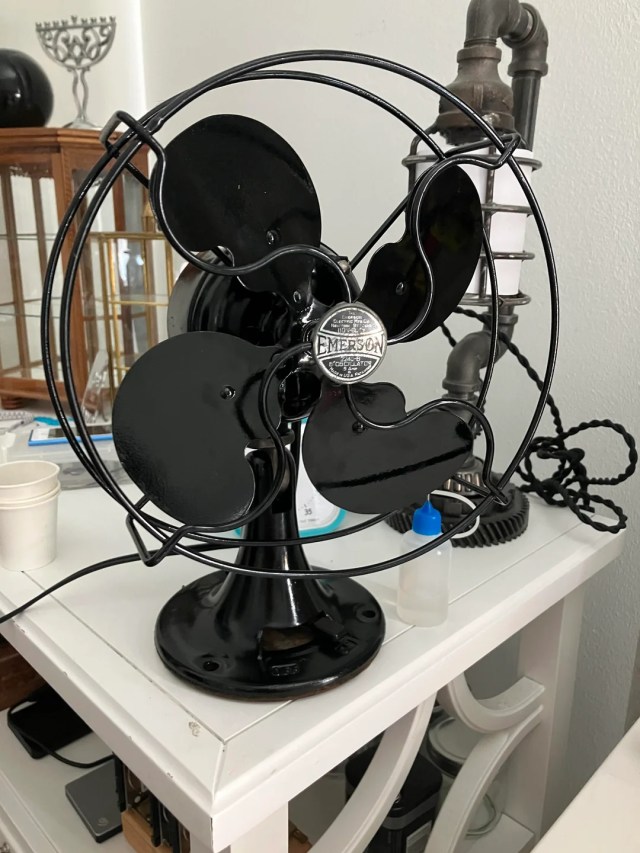
"I like the slight 60hz hum it makes," the original poster wrote.
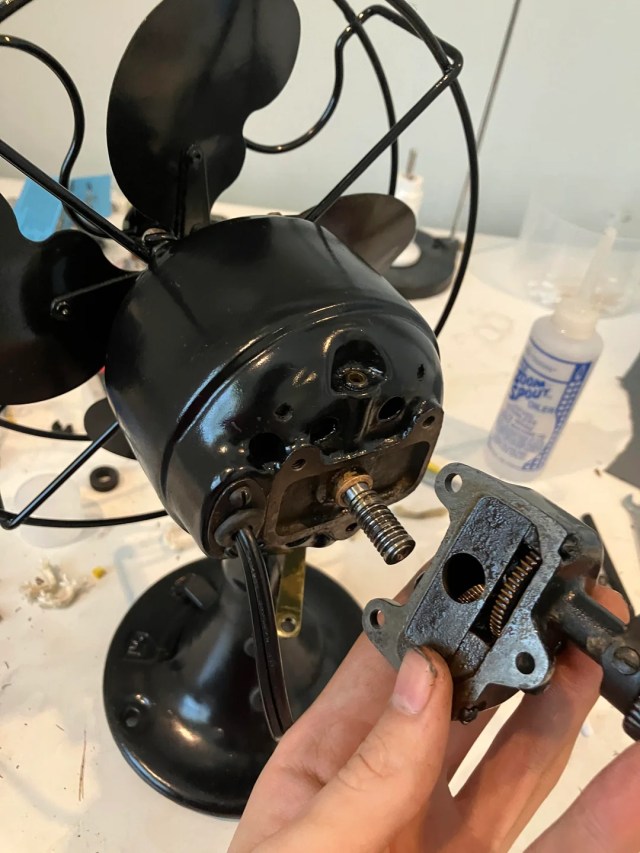
They also pointed to several old-school design details, including its cast iron construction, bronze motor bearings with oil-fed felt wicks, and brass gears for the oscillation mechanism.
"Do you have to season it every so often?" one commenter joked.
TCD Picks » Quince Spotlight
💡These best-sellers from Quince deliver affordable, sustainable luxury for all




Another took aim at the minimal safety cage, writing, "The guard was for the fan blades, not your fingers."
More background
Part of what made the fan stand out is how little repair work it needed.
The original poster said the main issues were deteriorated insulation on the wires coming off the coils and a switch lever that needed a bit of solder to make proper contact.
That stands in sharp contrast to many newer household products, which are often sealed, packed in plastic, or built in ways that make simple maintenance difficult or uneconomical.
When everyday products can be serviced rather than discarded, consumers can save money while helping to reduce waste.
Keeping appliances in use longer also means fewer replacements need to be manufactured, shipped, and eventually thrown away.
Still, durability is not the same thing as safety. The thread also touched on the fan's limited guard design, and the original poster acknowledged it.
"Most fans from the time were like that. And I have heard of there being a lot of injuries due to curious fingers back then," they commented.
What can be done?
Products with accessible screws, replaceable parts, service manuals, and motors that can be cleaned or lubricated are often better investments than sealed units that fail outright.
It can also pay to repair first and replace second.
Small fixes such as rewiring, cleaning contacts, or replacing switches may cost far less than buying a new appliance, especially with sturdy equipment that was built with maintenance in mind.
Secondhand markets can be useful here, too. Older fans, lamps, tools, and kitchen gear are sometimes still available in solid condition, though buyers should be realistic about any safety upgrades that may be needed.
For anything vintage with wiring or moving parts, careful inspection matters. If there is brittle insulation, exposed metal, or uncertainty about safe operation, bringing in a qualified repair professional or electrician is the smart move.
The appeal of the Emerson fan is that the restoration was not a massive rebuild.
"Only repair I had to make was to the wires exiting the coils," the poster explained. "The cloth insulation was very rotted so I did my best to put tiny heat shrink tubing around the rotted wires. I also put a bit of solder on the switch lever as it was not making contact."
Where can I learn more?
This fan's surprisingly simple restoration alluded to a bigger question about how household gear holds up over time.
The stories below cover everything from secondhand finds to installation headaches, energy-saving advice, and safety issues, showing why repairability matters.
• One homeowner went through 4 ceiling fans before discovering a ticking sound came from the ceiling.
• At Goodwill, a shopper found a working Dyson fan with its remote still included.
• TJ Maxx, Marshalls, and Sierra shoppers stopped using a recalled $30 fan after reported fires.
• An appliance repairman showed a simple ceiling fan step that cools rooms in minutes.
• In Ohio, an unexpected furnace breakdown pushed one homeowner to question ultra-modern HVACs.
Each instance highlights a different part of the same whole: durable design, safe use, and fixes that do not require replacing the whole product.
That is part of what makes a 90-year-old fan needing only two small repairs so remarkable.

Get TCD's free newsletters for easy tips, smart advice, and a chance to earn $5,000 toward home upgrades. To see more stories like this one, change your Google preferences here.