


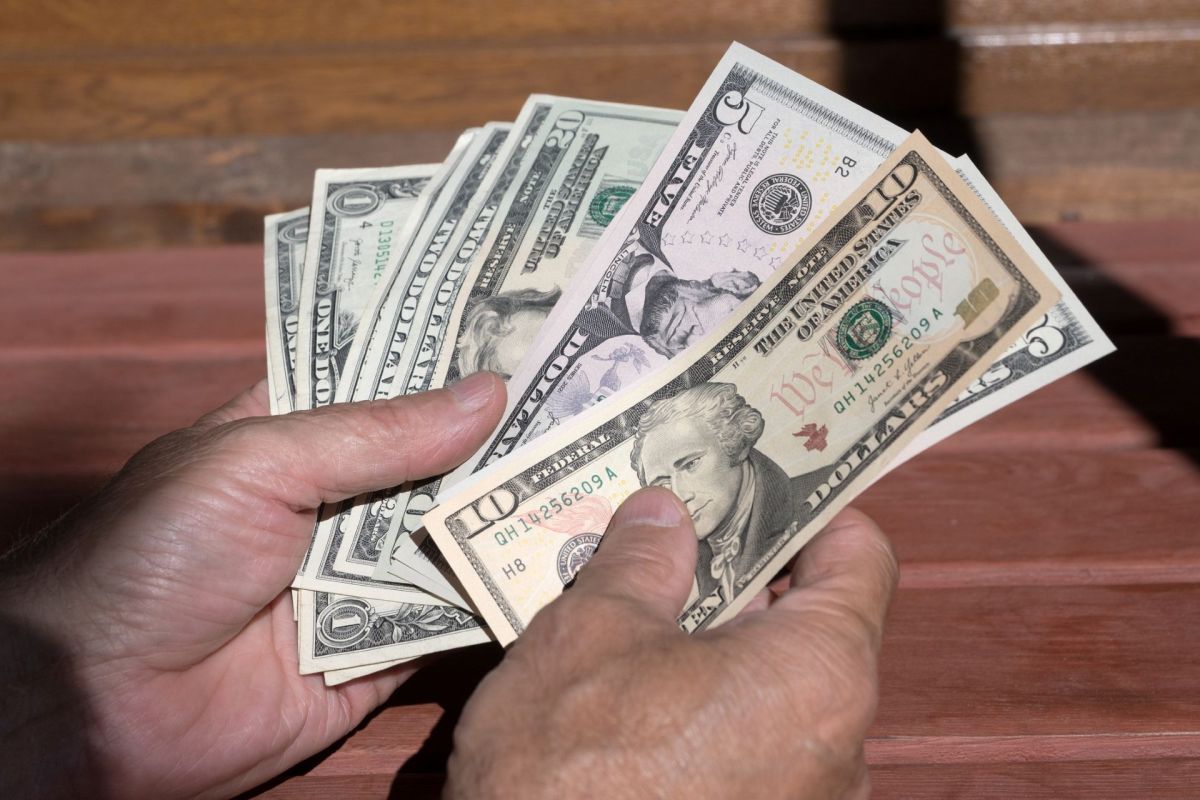
A Hurricane Katrina survivor shared a practical consideration for emergency preparations: Keeping cash on hand is useful, but smaller bills can make a major difference.
A $20 bill could be the only way to pay for a bag of ice if a business cannot make change, warned the Redditor, who said they keep $2,000 in a go bag, using denominations no larger than $20.
Here's what to know
The discussion began when a member of Reddit's r/TwoXPreppers community posted to ask how much physical cash people keep for emergencies.
"How are you approaching this? How much do you consider reasonable?" the original poster asked, seeking guidance after seeing recommendations to keep money at home.
The OP said cash could cover needs beyond basic supplies, including a hotel deposit during an evacuation if internet and phone service failed. They carry most of their emergency money in a concealed travel pouch and keep about $100 in their wallet.
"Having a stack of smaller bills in the stash will make it a lot easier to make change and keep others from taking advantage," the survivor wrote.
TCD Picks » Quince Spotlight
💡These best-sellers from Quince deliver affordable, sustainable luxury for all




Other commenters cited local costs, household needs, and firsthand experiences with payment outages as factors in determining their own reserves.
More background
One commenter bought ice and hot coffee in a nearby town where businesses were using generators but had no internet connection. The visit came during a five-day power outage.
Small bills allowed the commenter to pay for their purchases and help other customers in line who needed change.
Another Redditor in hurricane country got prompt tree removal service from someone they had hired before by offering cash. A storm had left a limb across their driveway.
A same-day rail journey home from London cost about £85 (about $110 USD) for one U.K.-based commenter, helping inform their emergency cash budget. They kept £150 (about $200 USD) in a travel bag for transportation or lodging if they became stranded.
What can be done?
One commenter tied their cash target to likely purchases rather than a fixed sum. They recommended totaling four costs: grocery staples, necessary prescription refills, a tank of gas, and a hotel room along an evacuation route.
The commenter also factored in how much someone could comfortably afford to keep in reserve.
Another household kept roughly $3,000 to $3,500 to cover three days of fuel, food, and lodging. The reserve consisted mostly of $20 bills, with smaller denominations mixed in.
A coded reminder helped that household avoid leaving the money behind. They stored the cash in go bags and a hiding place near the front door.
For those starting with less, one commenter kept about $100 in their wallet after encountering grocery store payment failures. Another built a reserve by saving weekly cash tips from work rather than withdrawing money from their bank account.
"I think the best way to figure out how much cash you need is to think about what you'd need the money for, and then add up expenses," one commenter suggested.

Get TCD's free newsletters for easy tips, smart advice, and a chance to earn $5,000 toward home upgrades. To see more stories like this one, change your Google preferences here.






