


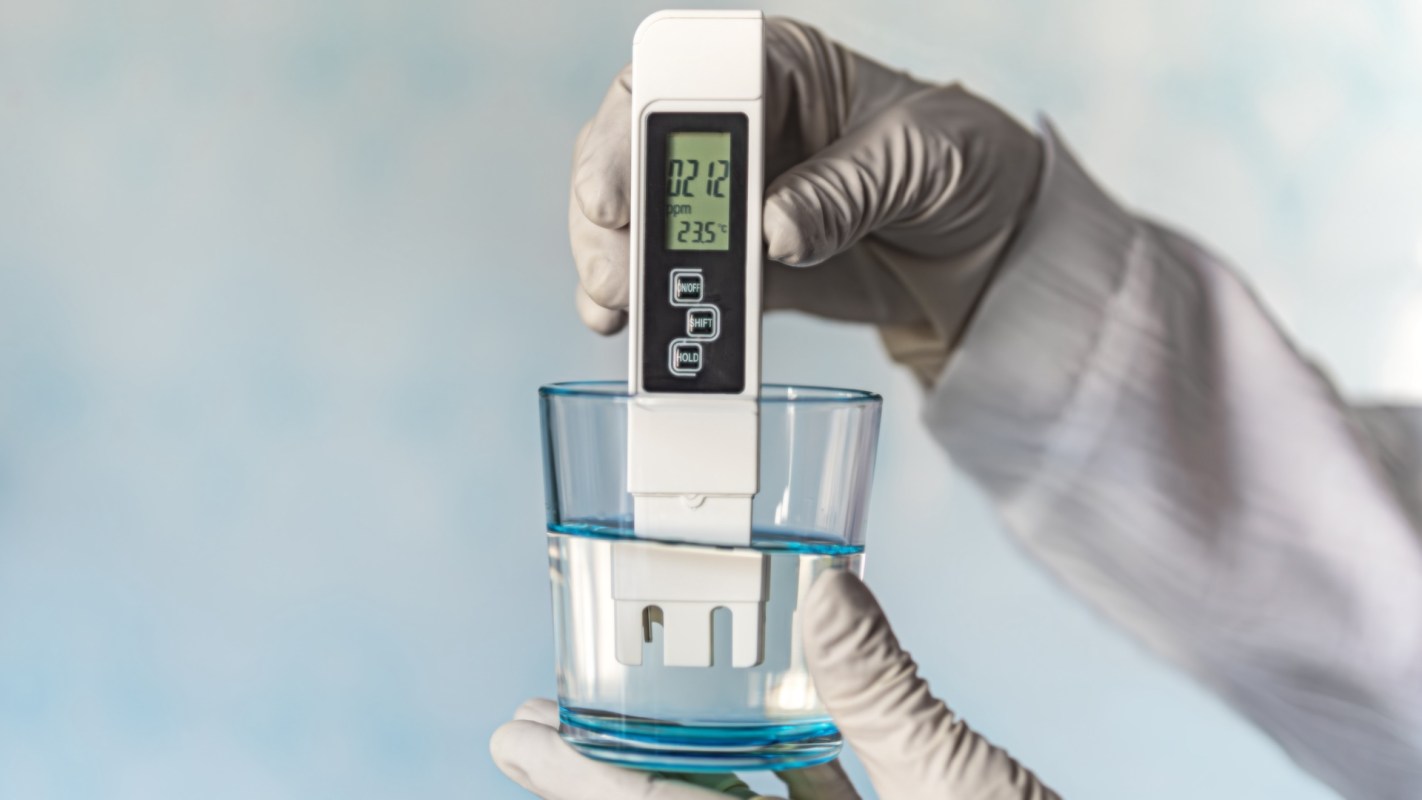
City officials in Elgin are notifying residents after semiannual water testing again showed elevated lead readings in a portion of samples.
Although the city still crossed the federal trigger for action, officials said the newest data improved from the prior monitoring period following adjustments to treatment.
What happened?
According to the Daily Herald, Elgin's regular drinking-water monitoring found lead results above the federal action level in the latest batch of samples.
In the first testing cycle of the year, the system's 90th-percentile lead reading was 0.0185 milligrams per liter, compared with the federal action level of 0.015.
Twice a year, the city gathers 100 randomly selected samples from homes and buildings considered more likely to have lead-related plumbing because they are served by lead service lines. Residents must be notified when more than 10% of the samples exceed 15 parts per billion.
Officials said the problem is not coming from either Elgin's source water or its treated drinking water. Instead, the concern lies with aging lead service lines and plumbing — particularly in homes and buildings plumbed before 1988 — where corrosion can release lead into tap water.
TCD Picks » Quince Spotlight
💡These best-sellers from Quince deliver affordable, sustainable luxury for all




The Daily Herald said a city news release described the newest results as "much lower" than those from the previous monitoring period and attributed the improvements to changes in the water treatment process.
Why does it matter?
Lead exposure is a major public health concern, especially for young children and pregnant women.
The Environmental Protection Agency has warned that exposure can have a greater effect on at-risk people.
Elgin also said, according to the Daily Herald, that lead in water is not absorbed through the skin, so bathing and showering do not pose a risk even when lead is present in drinking water.
What's being done?
Elgin began adding orthophosphate to its water in November of last year after conducting a corrosion control study.
Orthophosphate is used to limit corrosion, helping reduce the amount of lead that can leach from older pipes into household water.
The city said it plans to keep using orthophosphate until all lead service lines are replaced. Elgin has spent more than a decade replacing city-owned sections of lead service lines through capital projects, and over the last six years has also helped residents with private-side replacements when city activity affects them.
Since 2018, Elgin's Lead Service Line Replacement program has replaced about 3,997 lead service lines, including roughly 554 in 2026 so far.
The city is aiming to replace no fewer than 1,000 lines each year, and possibly more if additional federal or grant funding becomes available.
Through the city's lead response dashboard, residents can look up their address, monitor replacement progress, and see whether they qualify for free water tests and filters.
The Daily Herald, citing the city's lead response dashboard, reported that about 7,458 of Elgin's roughly 34,000 households still receive water through legacy lead service pipes.
While city officials said the latest test results were "much lower" than earlier ones, the EPA has warned: "A dose of lead that would have little effect on an adult can have a significant impact on a child."

Get TCD's free newsletters for easy tips, smart advice, and a chance to earn $5,000 toward home upgrades. To see more stories like this one, change your Google preferences here.






