


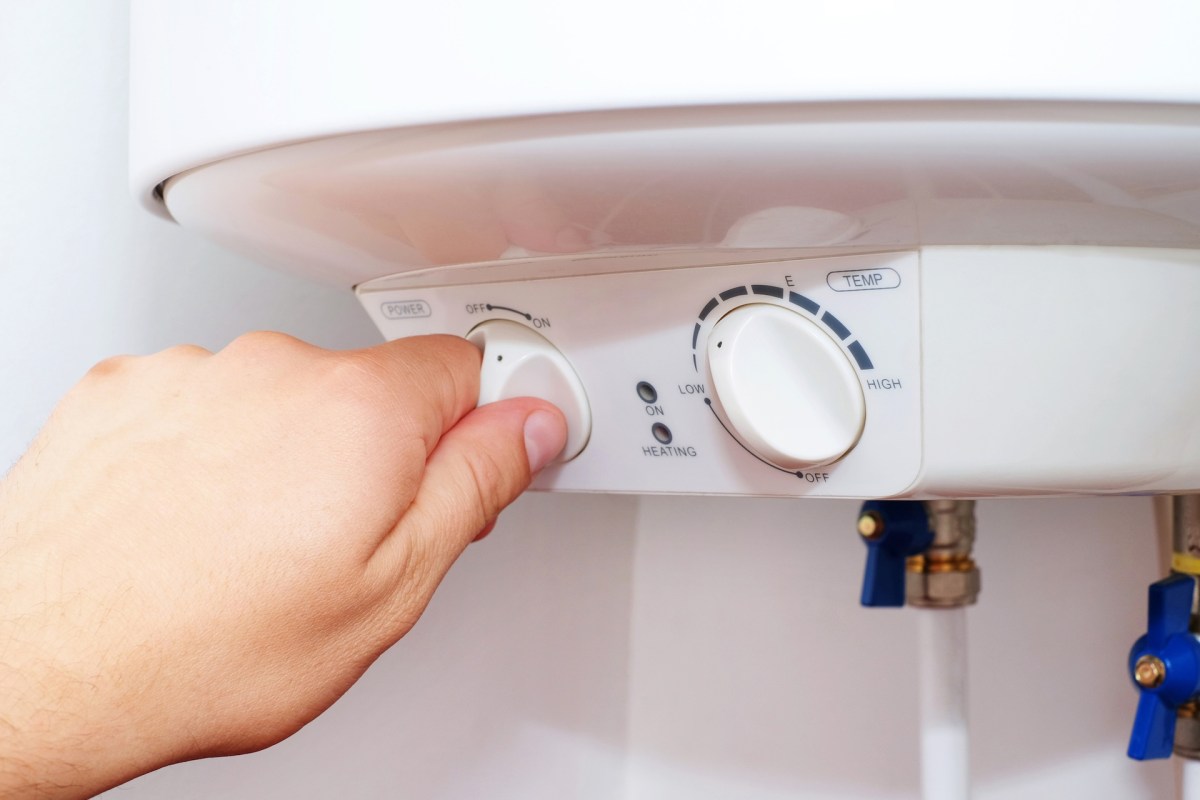
Heat pump water heaters can use about a third of the electricity of conventional electric models, which can translate into lower utility bills for homeowners trying to avoid pricey resistance heating.
That advice came up after a homeowner on Reddit said the seller of their house swapped in a cheaper conventional electric water heater before listing it, leaving the buyer to wonder whether switching back to gas would be worth it and taking to Reddit for guidance.
Here's what to know
According to the homeowner, they bought the house and were told the existing gas water heater needed replacing. Rather than install another gas unit, the seller went with electric "because it was cheaper."
Much of the advice in the Reddit thread centered on what was left behind from the previous setup. Commenters said that if the old gas line were capped, the conversion back "would be pretty straightforward," though they also said the exhaust vent would need to be checked.
The thread also separated upfront cost from monthly cost. One commenter said gas is "usually much cheaper than electric," while another argued that a heat pump water heater is the better electric comparison: "Heat pump water heaters are electric, but use 1/3 the electricity of a conventional electric water heater."
That's because traditional electric heaters just use electric resistance to heat the water, whereas a heat pump water heater moves the heat from the air into the water, dehumidifying in the process, and has electric resistance for backup heat. They won't work well in a tiny sealed utility closet, but with enough air circulation, they are leagues better than conventional models.
Some commenters mentioned looking into a smart heat pump model, such as Cala. "You could replace the electric one with a heat pump. It will save a ton on operating cost (comparable to the cost to run a gas water heater)," one person wrote.
And since most gas companies charge a base fee for gas service, for any home that isn't already using gas for heating or cooking, it makes even more sense to avoid introducing that extra bill, along with the risk over time from having combustible gas lines and appliances in the home.
Crushed by your bills? See instant solar savings from vetted installers in just a few clicks With energy prices through the roof, there's never been a better time to go solar — and EasyHome can help you find the best prices from the best installers in your area. EasyHome takes the guesswork and headaches out of energy upgrades by showing you estimated savings from a network of vetted local partners. To get started, just enter your ZIP and share a few details about your home — seeing your estimate is really that easy. |

More background
The homeowner said the seller made that choice before the house was even listed, explaining that they heard about it from a co-worker, who happened to be the seller's son. They later added: "Little did I know that months later it would be my issue."
Because the house is "1800s old," commenters said switching back to gas may involve code and venting issues, not just a simple tank replacement. "Look up the latest code for gas appliances since this is in your basement," one commenter advised, adding that a power-vent unit might be required.
Not everyone viewed operating costs the same way. Although several commenters said gas often costs less to run than a standard electric resistance unit, one commenter in New York said gas delivery fees made their bill "legitimately insane."
What can be done?
The advice was to inspect the existing setup before deciding: look for a capped gas line in the basement, verify that the current vent can safely handle exhaust, and call a professional if converting back to gas is still an option. The original poster agreed, writing: "I'd have a professional check it for sure."
Commenters also recommended checking local gas and electric rates directly before choosing a fuel source, since utility pricing and location can change the calculation. In this situation, the issue is not just whether gas can be restored, but whether the larger installation bill would ever be offset by cheaper monthly operation.
The other advantage of going with a heat pump model is they are more often built with advanced settings. Cala's smart heat pump water heaters can help homeowners lower their energy bills by heating water exactly when it is needed, or to pull in heat during off-peak electric prices, since water in a highly insulated tank holds that energy well.
Where can I learn more?
If you're weighing what kind of water heater to install next, these stories take a closer look at the same questions raised in the Reddit discussion.
• One homeowner said replacing an old gas water heater with a heat pump unlocked tax credits.
• Many households find that tankless water heaters can trim energy use while freeing up space.
• Homeowners hit by high bills can pocket $600 in yearly savings with a heat pump upgrade.
• Replacing an aging unit can save thousands on energy bills over time.

Get TCD's free newsletters for easy tips, smart advice, and a chance to earn $5,000 toward home upgrades. To see more stories like this one, change your Google preferences here.






