


For apartment renters hoping to switch to an electric vehicle, home charging restrictions are often the biggest issue.
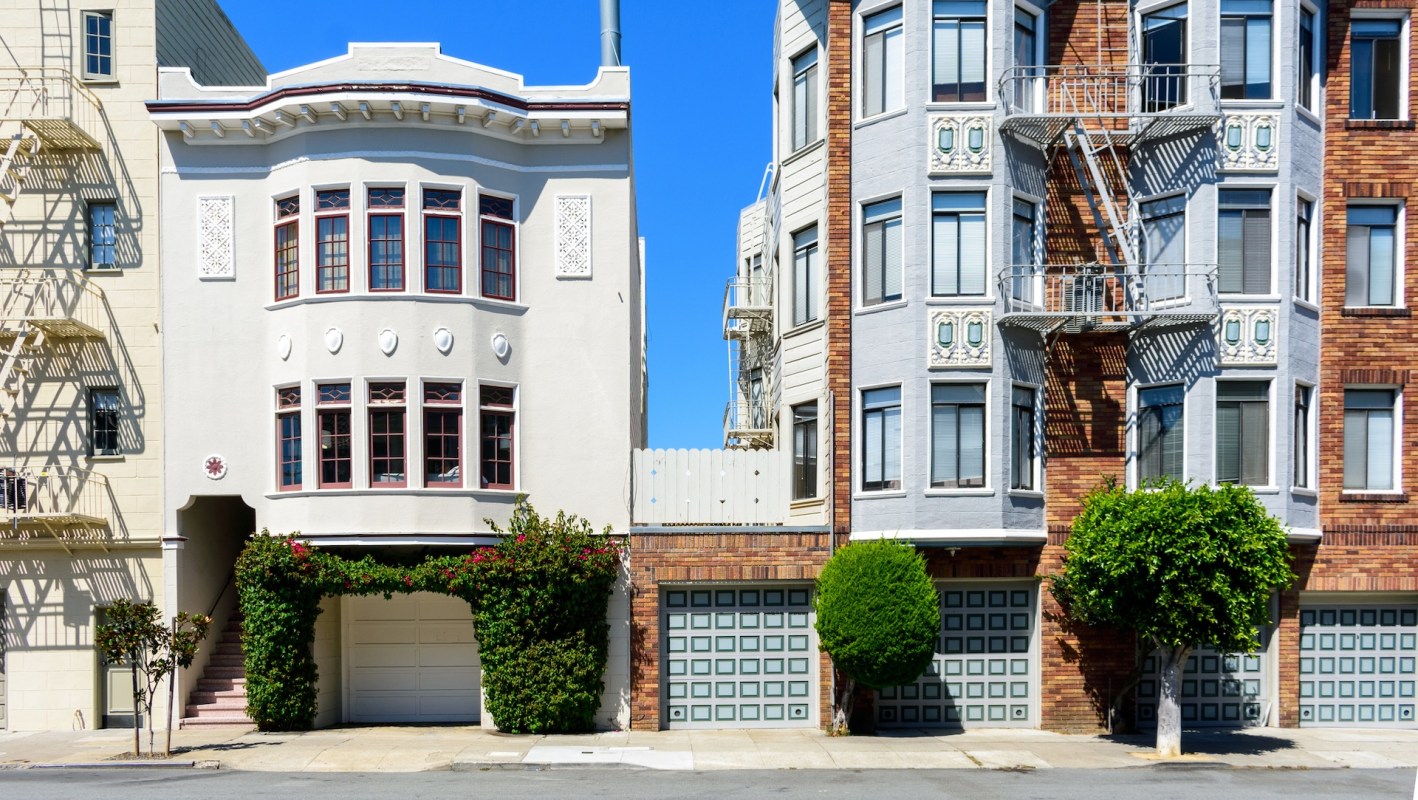
In a thread on Reddit, a San Francisco renter with a dedicated parking spot asked how much it might cost to install a 220-volt outlet after getting approval from a property manager.
Here's what to know
The original poster explained the situation on the r/AskElectricians subreddit.
"I've already talked to the property manager about it and they said they'd be fine with it, although I need to pay for it," they wrote. "The meter for my unit is only about 2 car lengths away from where the outlet would need to go."
As one commenter explained, there was a wide range of possibilities for the potential cost.
"Anywhere from $2k to $10k depending on circumstances that only someone who is there can determine," the Reddit user wrote. "Get 3 bids from licensed contractors."
TCD Picks » Quince Spotlight
💡These best-sellers from Quince deliver affordable, sustainable luxury for all




That estimate covers an $8,000 spread between a relatively simple installation and a more complicated one. The same poster admitted they were surprised about the property manager being so on-board with an installation.
Another commenter pointed to an important detail for renters in California that explains the situation.
"California has laws about allowing renters to install EVSE," they noted.
Another commenter had their own theory for why the property manager would support the installation.
"Also property owners love upgrades they can charge more for in the future that they don't have to pay for," they wrote.
More background
Having a dedicated parking spot can make home charging possible, but the cost of turning that space into a workable charging setup can still be a major hurdle.
Much of the expense may come from the building work around the charger rather than the equipment itself.
"The charger is the cheap part," another commenter said. "It's the infrastructure that's expensive. A renter won't be taking infrastructure when they leave."
Wiring runs, conduit, panel capacity, permits, and labor are often what push the bill higher. A simple job could end up near the bottom of the range, while a more complicated building setup can drive the total up quickly.
Home charging is often more convenient and more affordable than relying entirely on public charging. Bringing a project closer to $2,000 than $10,000 can make that setup much more attainable.
The discussion also turned to paperwork. Commenters recommended getting the landlord's approval in writing and reviewing the lease before any work begins, especially because they disagreed over whether a renter could keep a permanently installed charger or related equipment after moving out.
Commenters suggested asking electricians to quote more than one option, such as a basic 220-volt outlet versus a hardwired charger. If a simple outlet is enough to meet the driver's needs, that could be the less expensive route.
Where can I learn more?
For renters, charging at home often comes down to real-world details like parking access, wiring, building rules, and cost.
• In many U.S. apartments, charging access remains uncertain as free plugs disappear.
• In Gunnison County, Colorado, homeowners can claim up to $1,250 for an at-home EV charger.
• Companies like Elephant Energy aim to cut logistical headaches and costs tied to home electrification.
• One renter ended up with a $600 energy bill after a botched HVAC upgrade.

Get TCD's free newsletters for easy tips, smart advice, and a chance to earn $5,000 toward home upgrades. To see more stories like this one, change your Google preferences here.






