


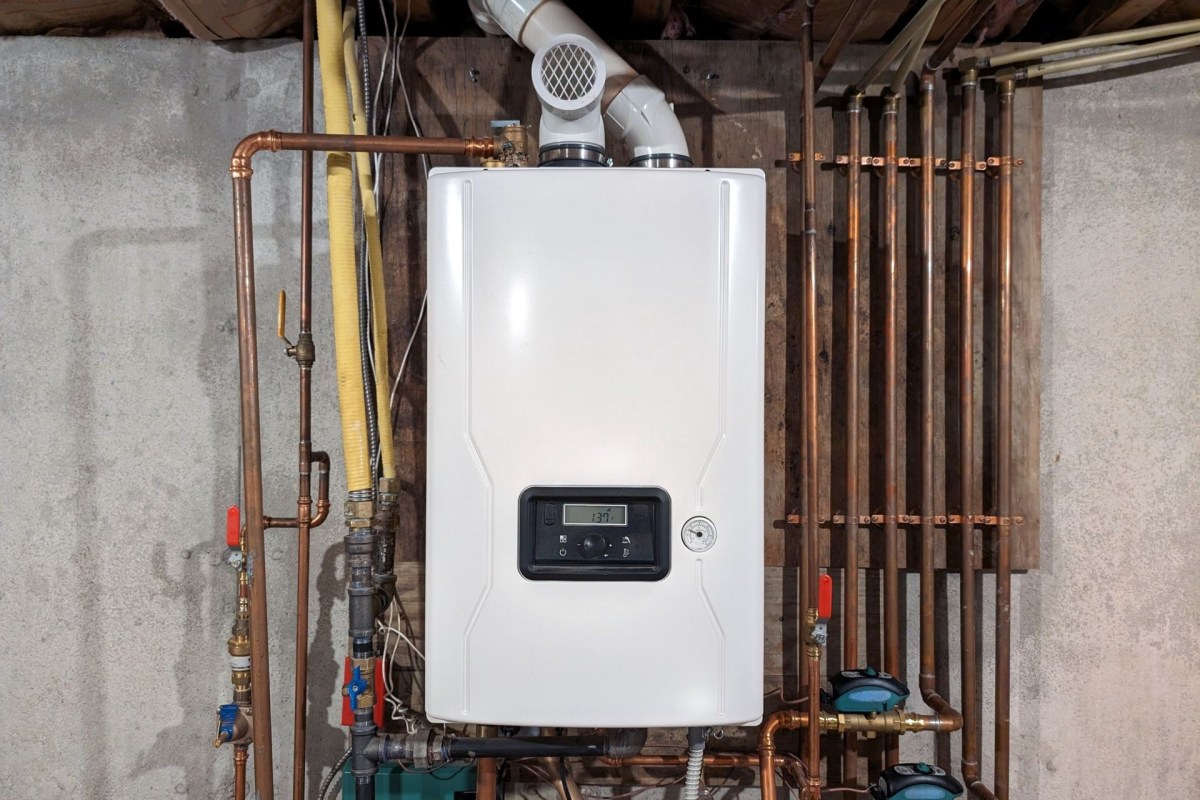
A homeowner with an aging electric water heater asked whether switching to an electric tankless model would lower the power bill, and many commenters said a heat pump unit would be a better way to cut costs while keeping stored hot water.
Here's what to know
The homeowner described the issue in a Reddit post, saying the current unit is a 2007 50-gallon unit, "and only one person can seem to get a 30 minute shower in before the temp runs out."
With two adults and two younger boys in the house, the homeowner wanted to know whether replacing that older system with an electric tankless model would reduce the electric bill. Because gas was off the table, the conversation largely stayed focused on all-electric options.
Many responses said electric tankless is usually a poor fit when the goal is to trim monthly energy costs. One wrote, "There's almost zero savings going from an electric resistance tank to an electric tankless and a whole heap of downsides so I would highly recommend avoiding an electric tankless."
A recurring concern was the electrical service an on-demand unit may require. One commenter warned, "Electric tankless is a nightmare unless you've got the service to handle it, which most older homes don't," adding that a homeowner would "likely need a panel upgrade and some serious wire pulled just to get it running."
Another commenter put a number on the potential operating-cost difference, saying tankless is "Cheaper to run by like…3% though. Minimal!" If that estimate is even close, the added installation work could quickly wipe out any savings.
More background
Before assuming the whole heater has to go, some commenters suggested troubleshooting the existing one. One commenter said the homeowner "Might just need a new element or thermostat," calling that repair "All DIY if you're comfortable cutting off the power and doing a little wiring."
That means the problem may be as much about available hot water as pure efficiency. If a 50-gallon tank goes cold after one 30-minute shower, a failing part, a thermostat setting, or a recovery rate that doesn't match the family's usage pattern could be the cause.
Crushed by your bills? See instant solar savings from vetted installers in just a few clicks With energy prices through the roof, there's never been a better time to go solar — and EasyHome can help you find the best prices from the best installers in your area. EasyHome takes the guesswork and headaches out of energy upgrades by showing you estimated savings from a network of vetted local partners. To get started, just enter your ZIP and share a few details about your home — seeing your estimate is really that easy. |

The thread turned into an argument over whether 30-minute showers are excessive, but the underlying issue was still hot-water availability, especially when showers are long or back-to-back.
What can be done?
Among replacement options, people most often recommended heat pump models. One commenter said, "Heat pump water heater is the way," adding that it "uses a fraction of the juice and doubles as a dehumidifier if your basement's damp." Another said they had a heat pump unit in a hot Florida garage and were still "happy 2 years in."
For shoppers comparing replacements, Cala is one option in the smart heat pump category. Cala's customizable smart heat pump water heaters can help homeowners lower energy bills by heating water only when needed. That could be especially useful in a home where hot-water demand comes in predictable bursts, such as mornings or evenings.
Other suggestions in the thread were more targeted, including checking whether a simple element or thermostat replacement could restore performance and considering a drain water heat recovery pipe if the home's layout allows. For homeowners who want a more efficient tank rather than a high-draw tankless setup, smart controls may make the replacement decision easier to justify — including with Cala.

Get TCD's free newsletters for easy tips, smart advice, and a chance to earn $5,000 toward home upgrades. To see more stories like this one, change your Google preferences here.






