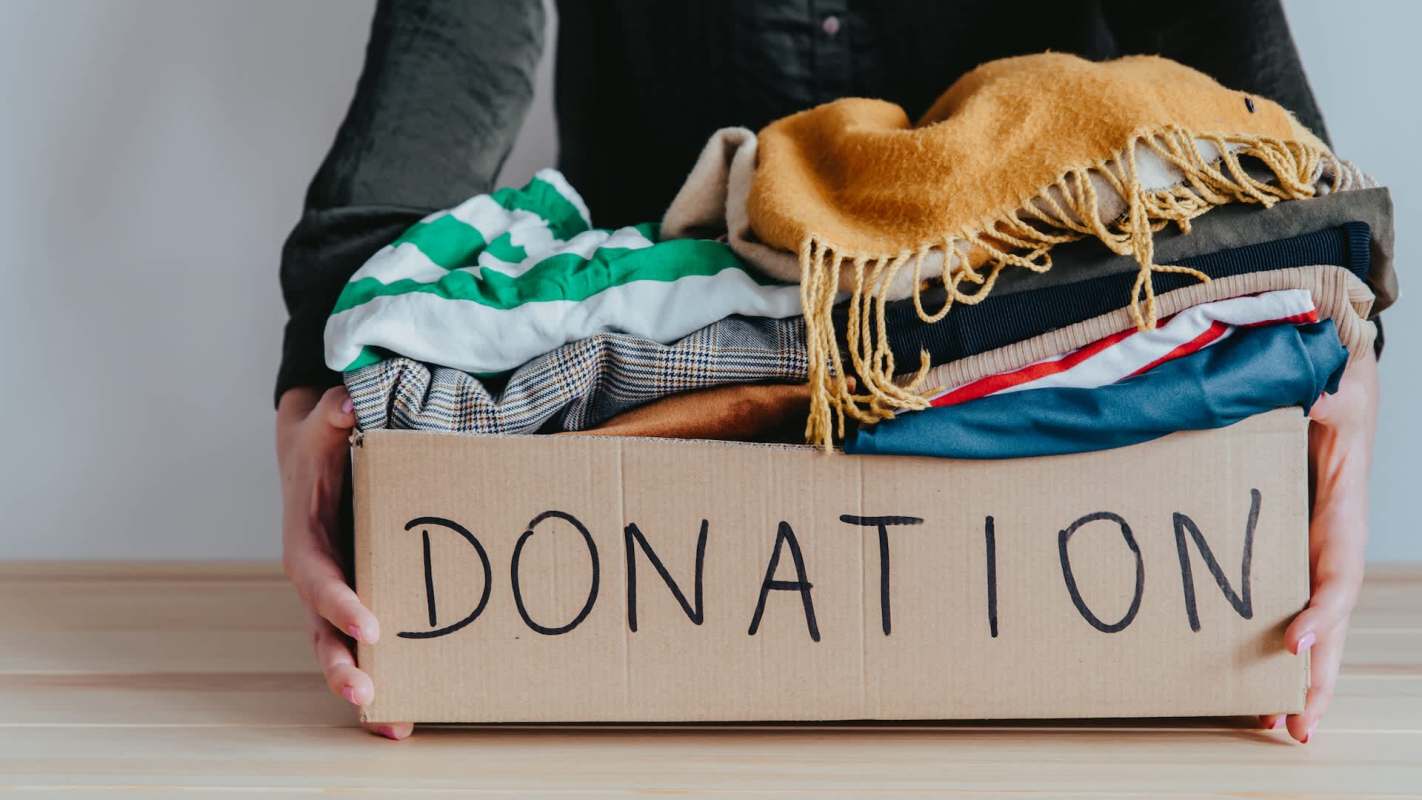
For many people, cleaning out a closet ends with a trip to the thrift store and the belief that old clothes will quickly find a new home.
But one thrifter said that habit changed after she learned how many donated items never make it to the sales floor, prompting her to sort garments by where they can do the most good — a shift that can better serve families, reduce waste, and sometimes return a bit of money to the person donating.
What's happening?
Writing in a recent first-person essay for Yahoo Creators, Tamara White said thrift stores still matter to her, but she no longer assumes every item belongs in the same donation pile.
She said that change came after recognizing that many thrift stores are flooded with more clothing than they can realistically put out and sell.
In the essay, she pointed to better matches for certain types of clothing. Professional outfits, including dresses and other business wear, may be more useful with organizations that help with interview prep and workforce reentry, such as career centers and women's shelters.
Children's clothing, meanwhile, may do more good at schools, childcare providers, foster support groups, and family resource centers.
TCD Picks » Quince Spotlight
💡These best-sellers from Quince deliver affordable, sustainable luxury for all




She also explained that some items are better suited for resale. Pieces from popular brands that are in good condition can be listed on eBay, Poshmark, or Facebook Marketplace, while consignment stores such as Buffalo Exchange and Plato's Closet may be another route for clothes likely to be worn again quickly.
Why does it matter?
Giving clothes away can help, but not every item is equally useful to donate. When bins and storage areas fill up, employees and volunteers have to spend time sorting garments that may never sell — or may not be usable at all.
Those items often just end up in a landfill, where millions of tons of textile waste end up every year in the U.S.
Taking a more deliberate approach can cut down on that extra work, get needed items to people faster, and help donors feel that their effort is actually making a difference. It can also discourage a familiar problem: using donation centers as a fallback for worn-out items that should not have been donated at all.
There may be a money-saving benefit for donors as well. Selling a few better pieces online or through consignment can turn a closet clean-out into extra cash while still keeping the clothing in use.
What can I do?
A better donation routine begins with sorting clothes before leaving the house.
Checking first can help. A short phone call or a visit to an organization's website can clarify what it accepts and what condition items need to be in, which can save workers from dealing with bags of things they cannot use.
White's essay noted that badly damaged clothing creates extra work for volunteers, so it is important to separate real donations from items that have simply reached the end of their life. For people trying to get the most value from a closet clean-out, resale or consignment may also be the better choice for the strongest pieces.
She summed up the change, saying, "Now I'm much more intentional about where my donations go … knowing exactly where my donations are going makes the process feel much more meaningful."

Get TCD's free newsletters for easy tips, smart advice, and a chance to earn $5,000 toward home upgrades. To see more stories like this one, change your Google preferences here.