


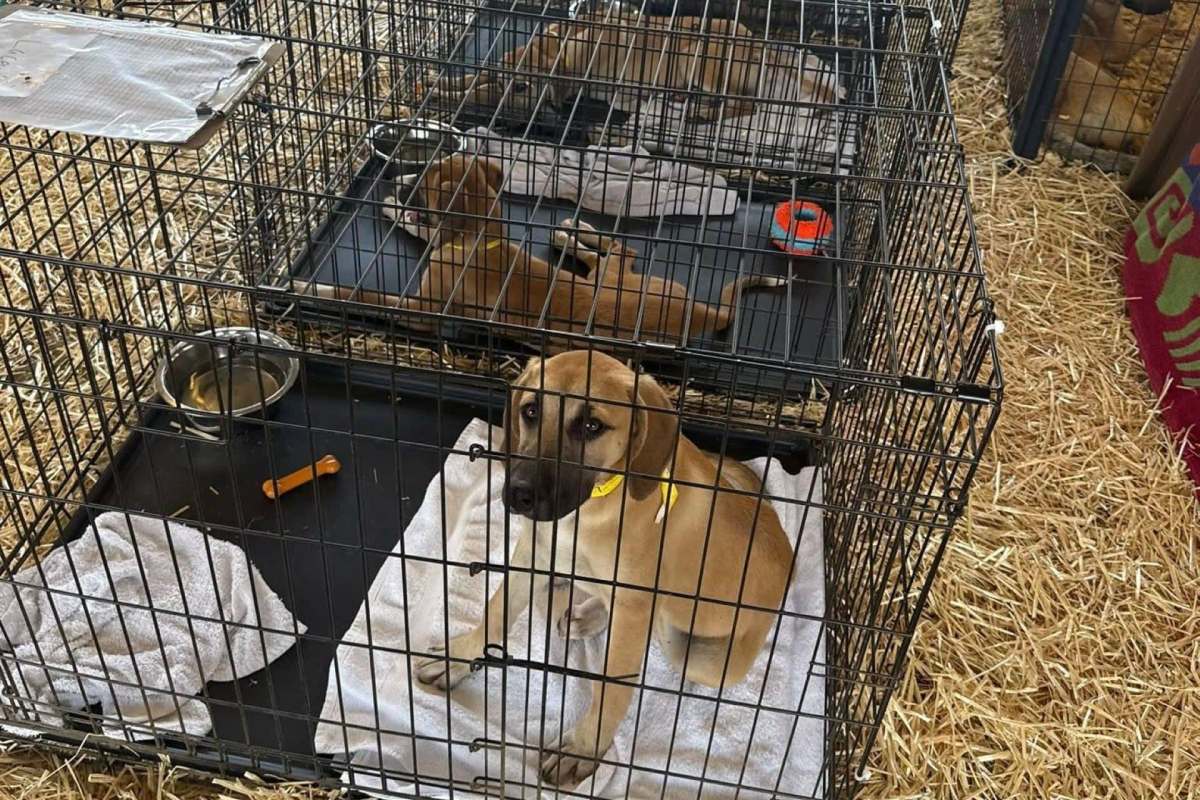
A lengthy rescue effort at an Ellis County, Texas, hoarding property ended with more than 125 dogs finally being brought to safety after the case escalated beyond what local responders could manage on their own.
Responders wrapped up the last phase this week, bringing an emergency operation that had strained local resources to a close.
What happened?
According to Fox 4 News, Ferris Animal Services and Flying B Animal Rescue & Sanctuary directed the mission, with the final emergency push removing the last 75 dogs from the property.
That final action followed months of attempts to lower the number of animals there through owner surrenders and standard rescue efforts. Fox 4 News showed photos of the rescue process, with one picture showing a dog lying on a pile of dirty trash.
Authorities said the dogs were being kept in inhumane conditions, and the total number removed exceeded 125. Managing a case that large required coordination of transportation, shelter space, and significant medical treatment for the animals.
Once it became clear that the sheltering and medical demands exceeded local resources, Ferris Animal Services Manager Todd McGehee reached out to American Humane and RedRover to help with more advanced veterinary evaluations and critical medical care.
TCD Picks » Quince Spotlight
💡These best-sellers from Quince deliver affordable, sustainable luxury for all




By May 8, nearly all of the dogs had been placed with rescue partners including Saving Hope Animal Rescue and Hearts & Bones Rescue. The remaining 10 dogs were still in boarding while awaiting transport to the northern U.S.
Why does it matter?
Large animal hoarding cases can spiral out of control quickly, affecting not only the animals living in unsafe conditions, but also the agencies and rescue groups responsible for saving them.
Dogs removed from these environments often require veterinary treatment, behavioral care, foster placement, and adoption planning. That level of need can place major strain on shelters and municipal animal services.
When one large-scale crisis demands extensive attention, kennel space, medical budgets, staffing, and emergency response capacity can all be stretched thin, creating ripple effects throughout a wider community.
This case required outside medical expertise, rescue partnerships, and transportation networks to move animals into safe, stable placements.
What can I do?
Officials said the logistics of the case have strengthened support for a planned regional Animal Welfare Campus in North Texas costing multiple millions, envisioned as a center for municipal services and emergency response during large-scale cruelty and hoarding cases.
If built, such a facility could help communities respond more quickly and effectively when many animals need care at once. It could also ease the burden on smaller local departments that may lack the space or veterinary resources to manage an operation of this scale.
People who want to help support these rescued dogs and future animal welfare work can donate through Flying B Animal Rescue & Sanctuary at www.flyingbrescue.org/donate or https://givebutter.com/flybbarns.
"When the weight of their suffering began to exceed our local resources, we knew we had to call in the best," McGehee said. "Partnering with RedRover and American Humane allowed us to turn a desperate situation into a rescue mission."

Get TCD's free newsletters for easy tips, smart advice, and a chance to earn $5,000 toward home upgrades. To see more stories like this one, change your Google preferences here.






