


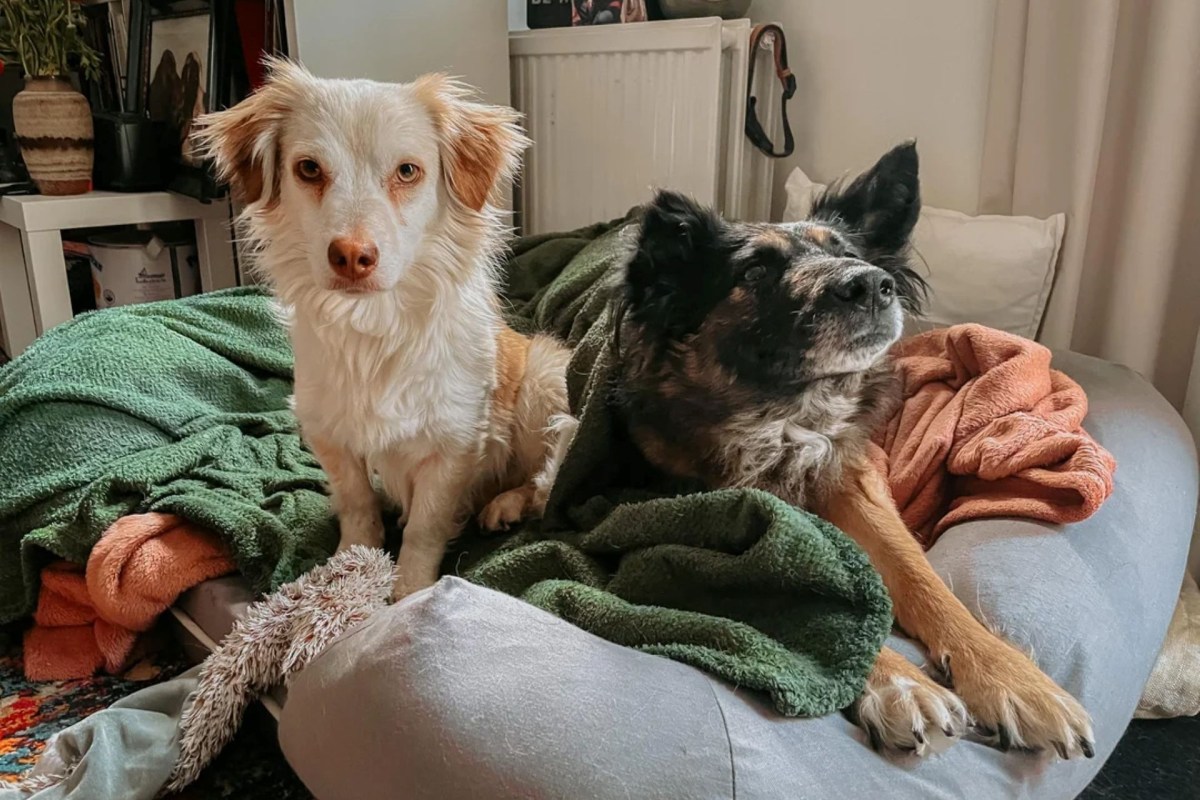
The story of Fika, a rescue dog that was saved from Ukraine about a year after Russia invaded the country, has captured hearts online.
What happened?
In a post on Reddit's r/BeforeNAfterAdoption community, Fika's adopter said she was among the dogs evacuated from a shelter in Ukraine after a Belgium-based animal rescue sent a supply bus into the country and brought out as many dogs as it could.
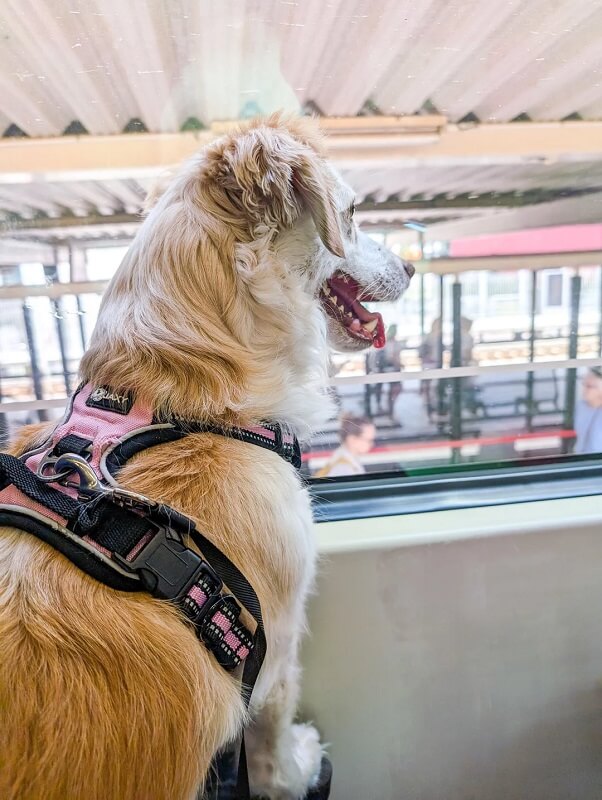
The adopter described Fika as severely traumatized when she arrived. After being taken from a war zone and then transported to safety, the little dog would regularly "curl into a ball and shiver."
Trust built slowly. The adopter said patience, work with a dog trainer, and support from Fika's foster brother, Buddy, helped her feel safe enough to begin emerging from that fear.
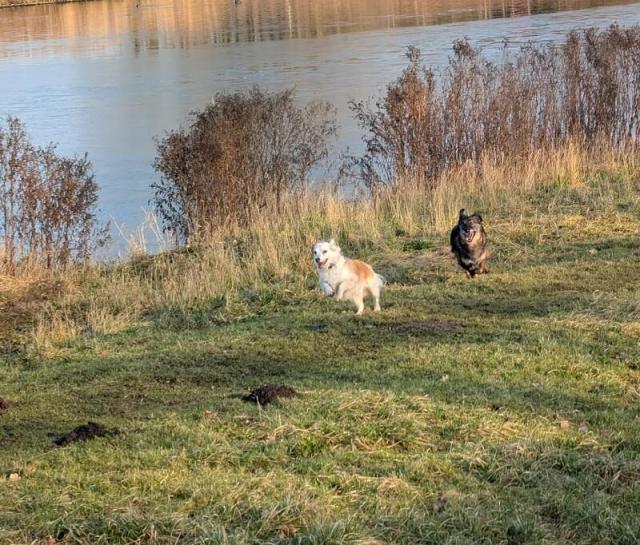
Now, Fika is able to play, relax, and tear around the house — a sharp contrast with the dog who once shut down completely.
"She has the zoomies at least once a week," the owner said. "Loves to cuddle and always greets the people she knows like she hasn't seen them in years."
TCD Picks » Quince Spotlight
💡These best-sellers from Quince deliver affordable, sustainable luxury for all




Why does it matter?
Animal rescue does not end when a dog is pulled from immediate danger. For many pets displaced by war, natural disasters, or overcrowded shelters, emotional recovery can take much longer than the transport itself.
Fearful behavior is often read as a fixed personality trait, but it can also be a response to trauma, uncertainty, and abrupt change. Given time, routine, and support, some animals can make remarkable progress.
When conflict disrupts entire communities, animals are often left with fewer resources and less stability, even as local rescuers face extraordinary strain.
The shy or shut-down pet in a shelter may not stay that way forever. With the right environment, a difficult beginning does not have to define the rest of an animal's life.
What's being done?
Post-adoption care can make a major difference for dogs that arrive fearful or overwhelmed. A quiet decompression space, a predictable routine, and guidance from a qualified trainer can all help.
Adopting, fostering, donating to reputable rescues, or even supplying crates, food, and veterinary support can strengthen the safety net these animals depend on. Some rescue pets need weeks or months before their real personalities emerge.
Luckily, Fika's new home had the resources to give her space and time to come back out of her shell.
Users in the comments fell in love with Fika and her story.
"Fika is adorable!" one user wrote.
"It's so lovely to see that she has a safe home," another added.
"She looks so at peace now," another said. "Thank you for giving her the time she needed."

Get TCD's free newsletters for easy tips, smart advice, and a chance to earn $5,000 toward home upgrades. To see more stories like this one, change your Google preferences here.






