


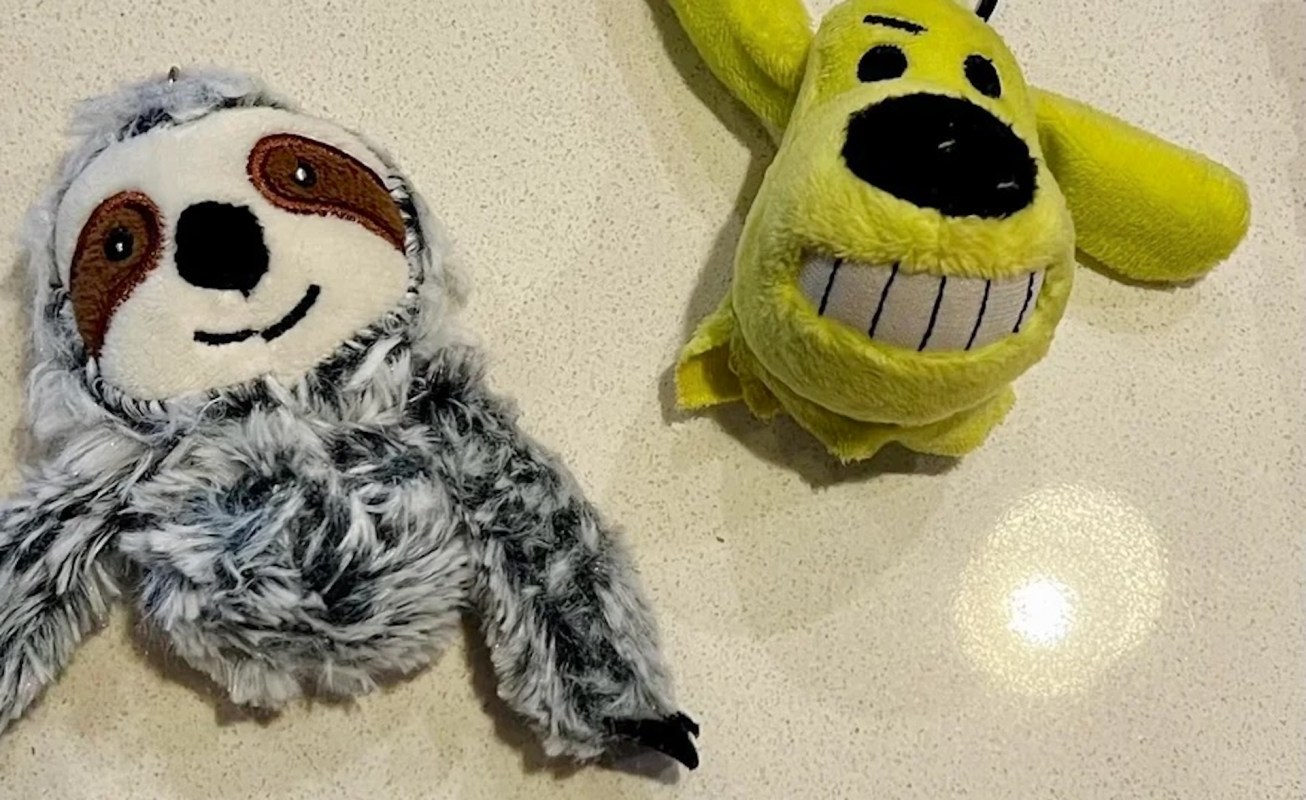
For many dog owners, the life cycle of a squeaky toy is painfully familiar: buy it, hear the squeak, watch the fluff explode, then clean up the aftermath.
Instead of tossing those casualties, one pet owner came up with a cuter follow-up. After her dog tore through several toys, she stitched the leftovers into bag charms.
What happened?
A post in the r/ZeroWaste Reddit forum showed a set of worn-out squeaky toys repurposed as accessories. In the photos, the damaged toys had been repaired with obvious stitching and clipped onto a bag as small charms.
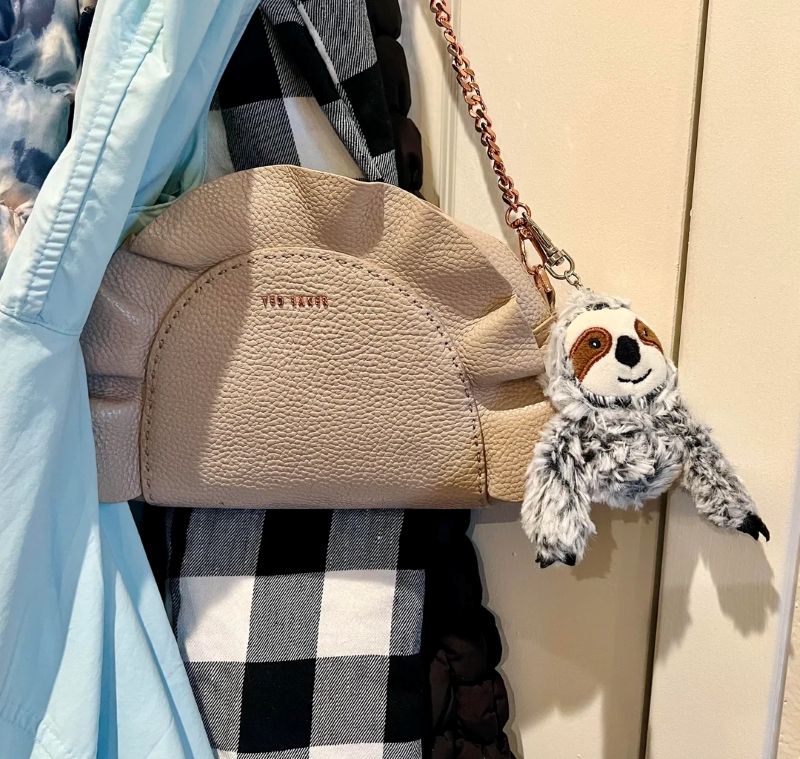
Rather than covering up the destruction, the owner treated it as part of the design. She described the toys as fresh from "surgery," and the missing legs and baseball-style seams gave them a deliberately offbeat look.
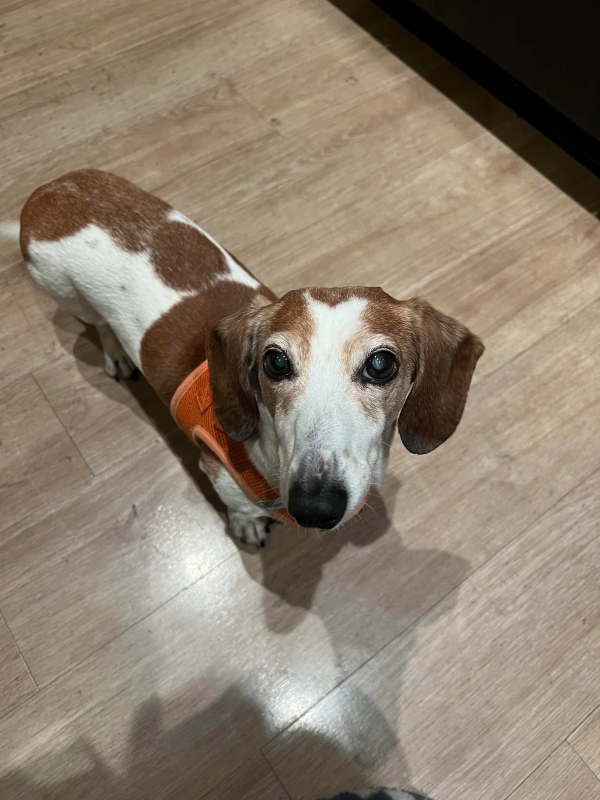
The dog that had done the damage appeared in the last image, where the poster jokingly called it the "murderer/benefactor." She also pointed out a practical benefit to the project: less time spent pulling fluff from the floor or out of the dog's mouth.
The response in the comments was enthusiastic.
TCD Picks » Quince Spotlight
💡These best-sellers from Quince deliver affordable, sustainable luxury for all




"Ooooh I love this idea!!!" one person wrote, and another added: "So cute. Every photo!"
The original poster later said: "That's the tricky part, stopping the dismemberment after the squeaker is ripped out and fixing up the patient."
Why does it matter?
This kind of upcycling addresses a common household problem. Plenty of dogs destroy plush toys within minutes, making every purchase feel short-lived and wasteful.
Giving a ruined toy a second life helps pet owners get more value from something they already paid for. Repurposing one item for another use can help stretch a pet budget while avoiding the need to purchase a small accessory.
It also keeps material out of the trash a little longer. A chewed-up toy may no longer be safe for play, but parts of it can still be useful if they are cleaned, secured, and turned into something decorative.
What can I do?
If your dog has a habit of tearing through plush toys, this is a project worth keeping in mind before tossing the remains. Once a toy is no longer safe for chewing, you can remove any hazardous pieces, clean it up, stitch it closed, and attach a key ring or clasp.
Even if a toy is too far gone to upcycle, it can still be worth checking your local disposal and reuse options if you're unsure what can be diverted from the trash.
Projects like this will not eliminate waste on their own, but they can help households save a little money and cut clutter.

Get TCD's free newsletters for easy tips, smart advice, and a chance to earn $5,000 toward home upgrades. To see more stories like this one, change your Google preferences here.






