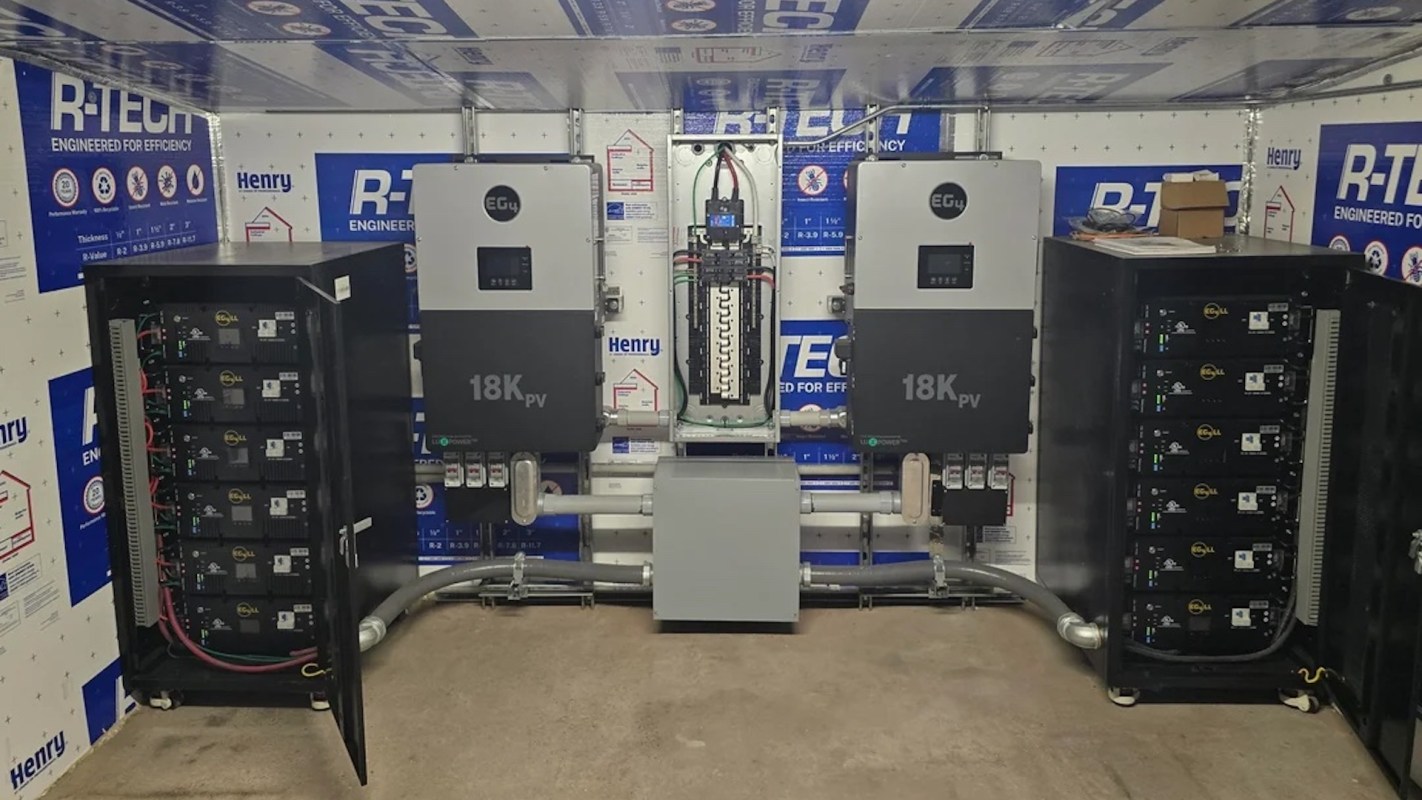
A massive DIY solar project shared by a Reddit user wowed viewers. The nearly finished setup included 70 solar modules, two inverters, and enough battery storage to make full off-grid living seem less like a fantasy and more like a plan.
On r/solar, the person behind the build said the long-running job was nearly done, writing: "Going 100% off-grid tomorrow! … My little spare time project is finally about finished!"
What happened?
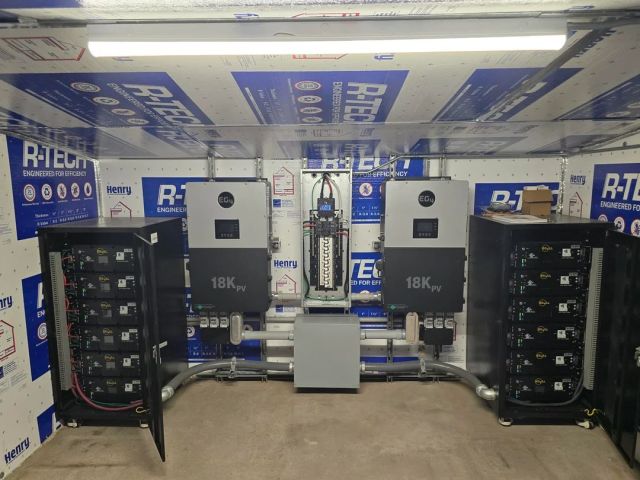
By residential standards, the system was enormous. The equipment worked out to 28 kilowatts of solar capacity and 62 kilowatt-hours of battery storage. That came from 70 SEG panels rated at 405 watts each, two EG4 18KPV inverters, and two 31-kWh EG4 battery banks.
Alongside their praise, readers asked what the build had cost. "About $20k for the big items," the original poster replied. "Not counting my labor or misc. materials."
That figure led to debate because similar hardware often sells for much more.
"Just want to set realistic expectations for anyone else who thinks they can get this for $20k," one commenter wrote.
Another person said the OP likely had access to wholesale pricing.
"Oh yep, I own an electrical shop," the OP noted. "So all in a day's work here."
Save $10,000 on solar panels without even sharing your phone number Want to go solar but not sure who to trust? EnergySage has your back with free and transparent quotes from fully vetted providers that can help you save as much as $10k on installation. To get started, just answer a few questions about your home — no phone number required. Within a day or two, EnergySage will email you the best local options for your needs, and their expert advisers can help you compare quotes and pick a winner. |

Why does it matter?
Going solar is one of the best ways to save money on home energy over time, especially for households hoping to lower utility bills and gain more control over their electricity costs. If you're curious what a professionally installed system might cost, EnergySage offers free tools to get quick solar installation estimates and compare quotes.
A setup like this can reduce or even eliminate monthly electric bills while also giving a household protection from outages and energy price swings.
Equipment prices do not always tell the full story. Industry experience, wholesale access, self-installation labor, and deal hunting can all change the math dramatically, so one person's cost may not match another's.
What can I do?
EnergySage's free services can help the average person save up to $10,000 on a solar purchase and installation. EnergySage's solar map also shows the average cost of a home solar panel system along with details on solar panel incentives for each state. Together, those resources can help readers narrow down the best price for rooftop solar panels and available incentives.
More From EnergySage
💡Go deep on the latest news and trends shaping the residential solar landscape
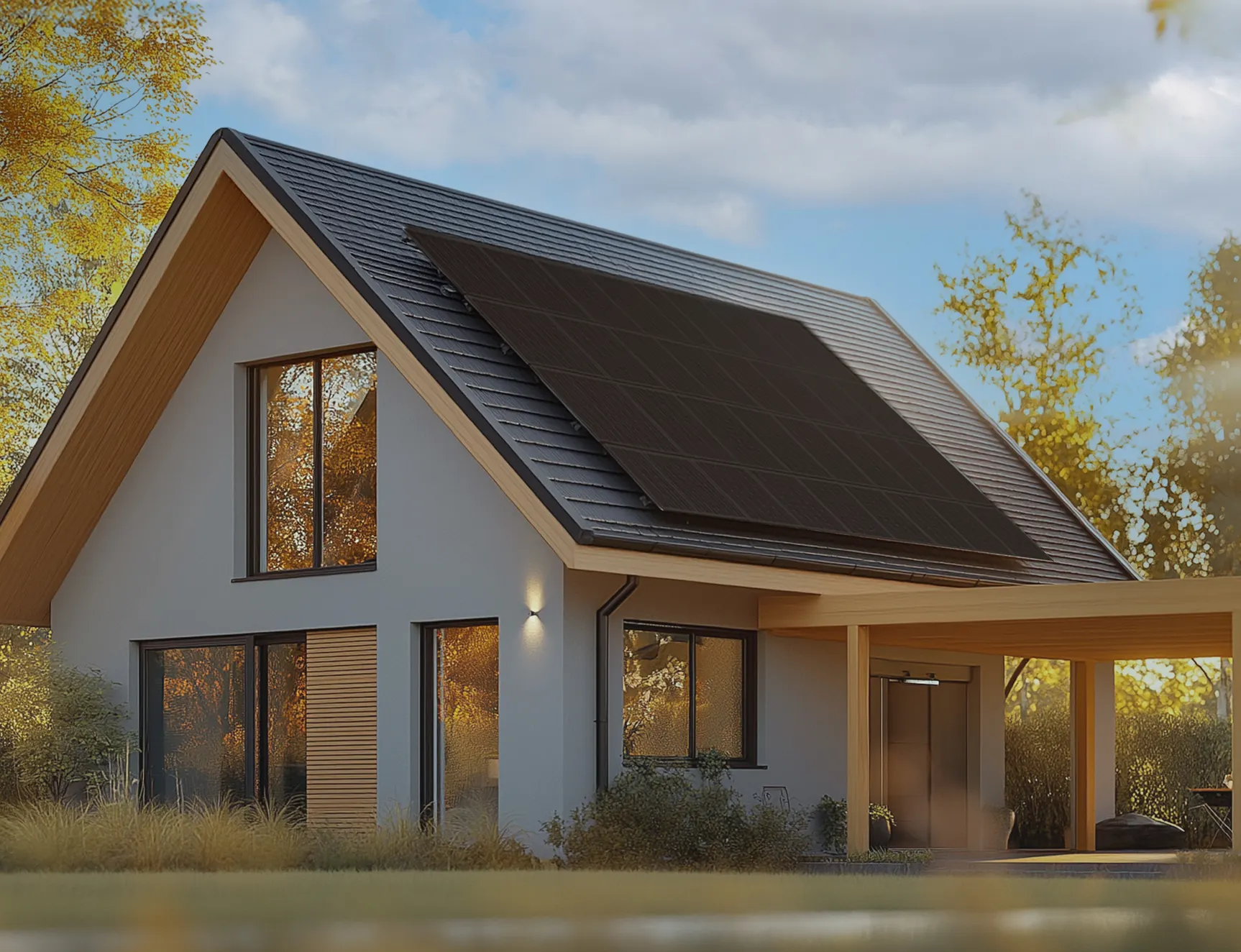
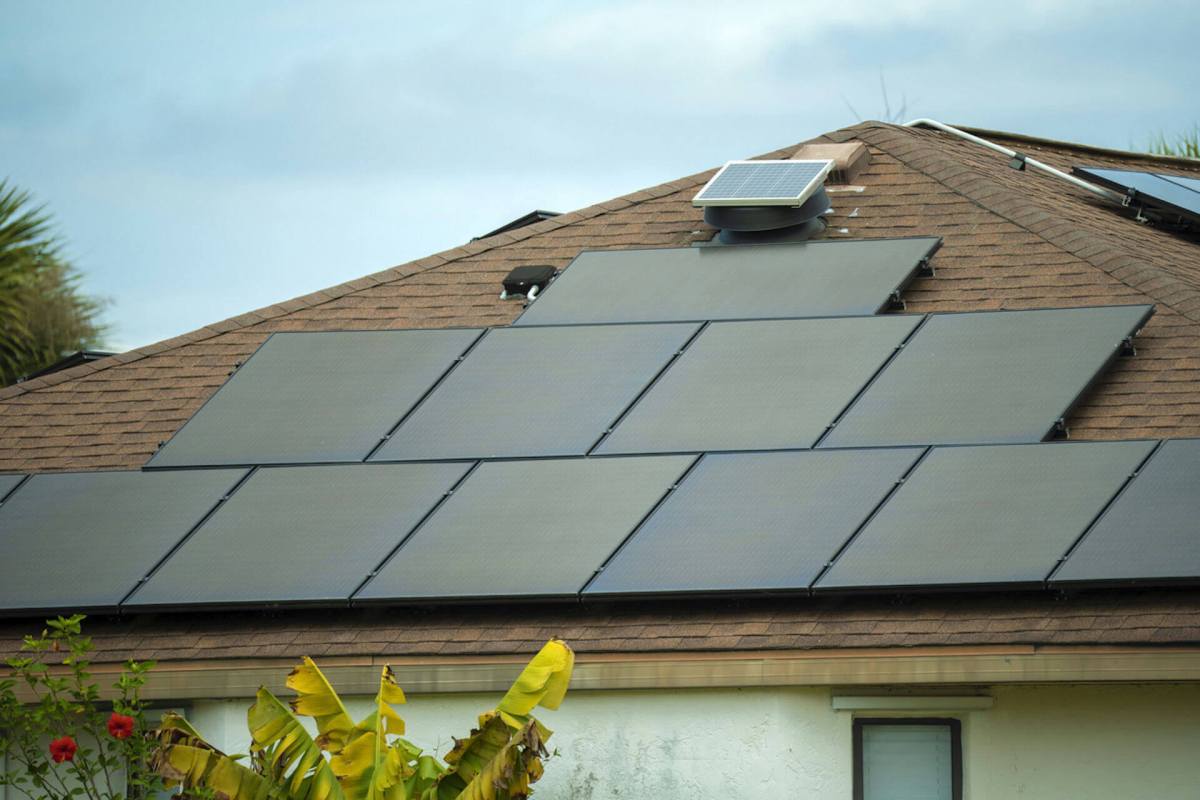

If a huge DIY project is out of reach, EnergySage can still help you go solar with free tools that let you curate competitive bids from local installers without their obtaining your contact information unless you choose to work with one. That makes it easy to compare options at your own pace.
Adding battery storage to a solar setup is one of the best ways to protect your home during outages, save money on energy, and go off-grid. Batteries can store your solar power for later use, reducing dependence on the grid when rates are high or service is interrupted. If you're exploring that route, EnergySage offers free tools with information about home battery storage options, including competitive installation estimates.

Get TCD's free newsletters for easy tips, smart advice, and a chance to earn $5,000 toward home upgrades. To see more stories like this one, change your Google preferences here.