


Home solar shoppers could soon face a tougher math problem. A new Trump administration trade move targeting polysilicon, the material used in most solar panels and many semiconductors, will raise the floor on import prices on Dec. 4.
Because polysilicon is a core ingredient in solar photovoltaic panels, the change could make rooftop solar more expensive for households looking to cut utility bills.
Here's what to know
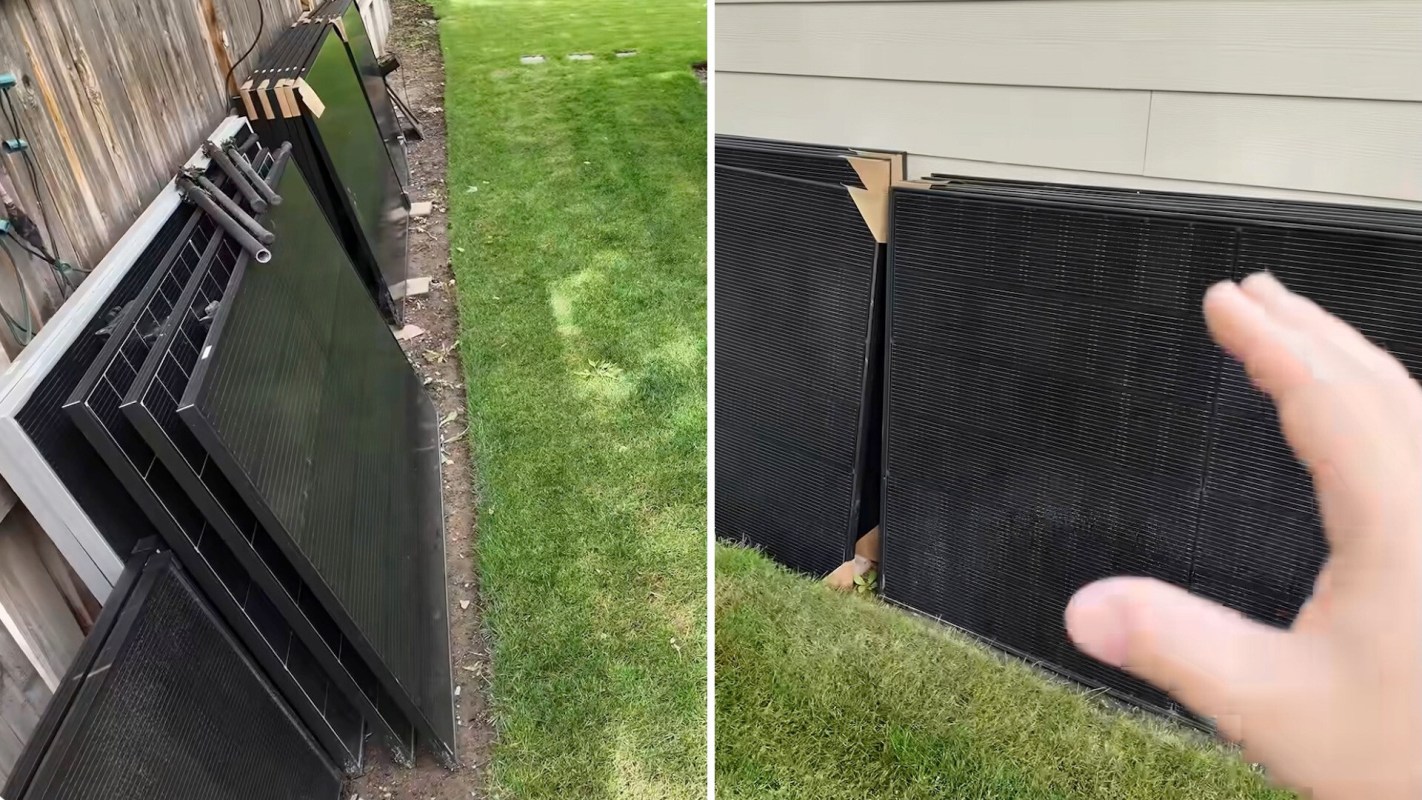
President Donald Trump signed a proclamation on Aug. 6 that sets a minimum import price for polysilicon and applies a 15% tariff to products made with it. The proclamation sparked a debate in a Reddit thread on r/SolarDIY.
"What do you guys think? Is there any way this doesn't go through? How long will we still have inventory in America to buy before prices shoot up?" the original poster asked.
In the comments, users lamented the presidential proclamation's potential repercussions.
"That's why I bought my panels a month ago. Everything has been worse than predicted, it might be the same thing with this," said one user.
Another suggested, "Go buy now!! But if not then wait till the next administration in Jan 2029 or thereafter. Too bad this is a political issue."
Higher import barriers could make it harder for households to access affordable solar at a time when many are looking for relief from rising utility bills. Going solar is still one of the best ways to save money on home energy, and readers can use EasyHome's free explorer tool to see pricing and savings from vetted installers in their area.
Crushed by your bills? See instant solar savings from vetted installers in just a few clicks With energy prices through the roof, there's never been a better time to go solar — and EasyHome can help you find the best prices from the best installers in your area. EasyHome takes the guesswork and headaches out of energy upgrades by showing you estimated savings from a network of vetted local partners. To get started, just enter your ZIP and share a few details about your home — seeing your estimate is really that easy. |

More background
According to The New York Times, the administration cast the order as a national security measure, saying domestic polysilicon production matters because the material is used in semiconductors for electronics and defense systems, including radar, communication systems, and missile and drone control systems.
The Times preview also says solar consumes far more polysilicon than any other market. That could make the order especially challenging for the clean energy side of the economy, where cheaper materials can help more households install rooftop systems and rely less on expensive grid power.
The order also reflects a steep global imbalance. The United States was once a world leader in polysilicon production, but after China funded domestic manufacturers, it came to produce roughly 90% of the world's supply, while the U.S. accounted for less than 2%. Some U.S. solar-component makers have sought protections against Chinese imports, but those protections can also raise prices for buyers.
What can be done?
The proclamation also directs Commerce Secretary Howard Lutnick to create an incentive program for companies that build or expand U.S. factories producing polysilicon or its derivatives. Over time, that could help grow a domestic supply chain instead of leaving the country so dependent on imports.
For homeowners, the more immediate step is to compare options carefully before prices shift. EasyHome's free explorer tool helps readers compare quotes from vetted installers in their area and get a clearer sense of potential savings based on local pricing.
That tool can also help readers explore backup battery storage. Pairing solar with a battery lets homeowners maximize savings and keep the lights on when the grid goes down, making the investment more resilient as equipment and import costs change.
The tariffs are scheduled to begin on Dec. 4 as the U.S. tries to rebuild a polysilicon industry that now accounts for less than 2% of global supply.

Get TCD's free newsletters for easy tips, smart advice, and a chance to earn $5,000 toward home upgrades. To see more stories like this one, change your Google preferences here.






