


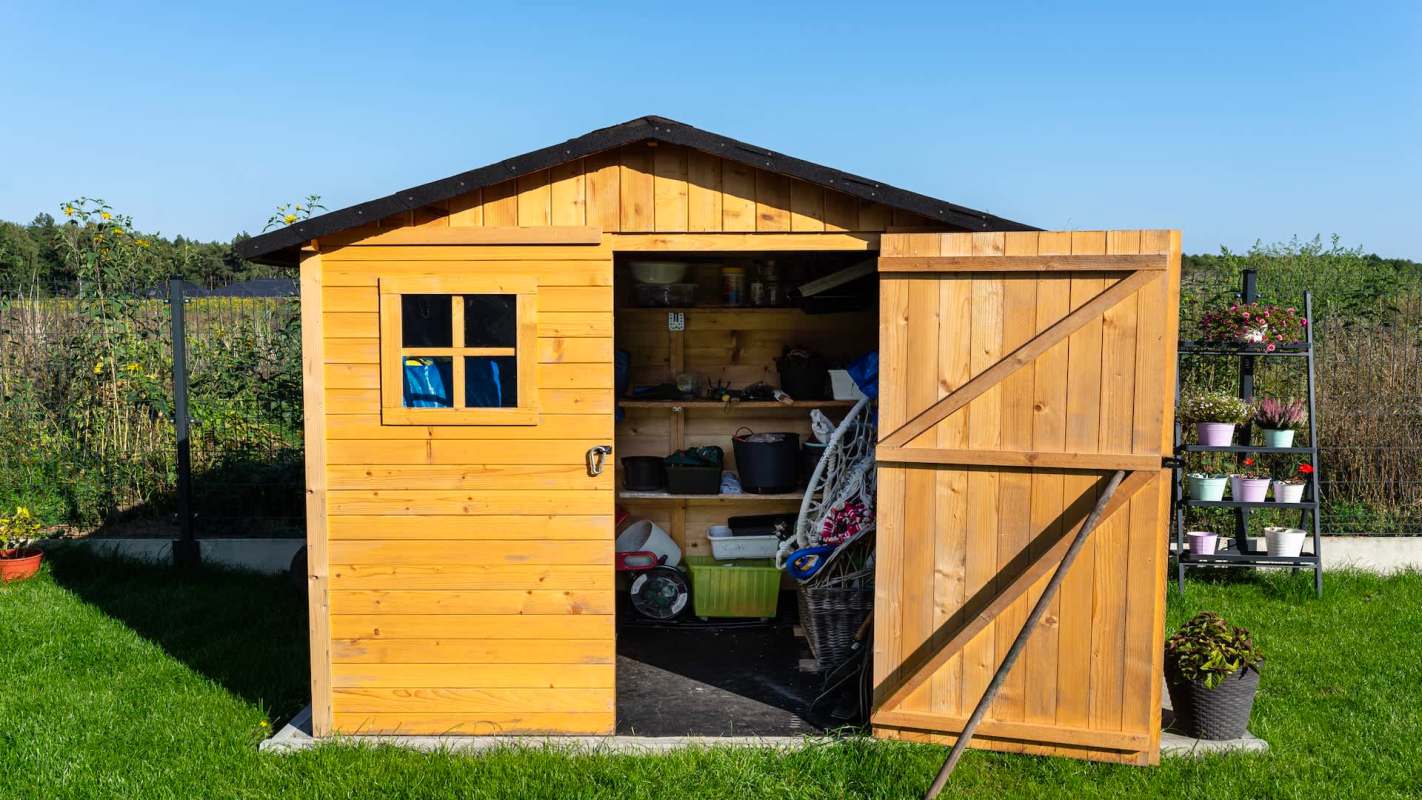
How does one add power to a shed without running permanent wiring or buying a pricey solar-and-battery setup?
For one DIYer, the answer was to turn a removable 18V tool battery into a compact power panel that powers lights, USB charging, and one more accessory.
Here's what to know
In a Reddit post to the site's r/Ryobi community, the original poster wrote that they "Made a power panel for my shed utilizing an 18V battery. Thought about running a car battery/solar panel, but this seemed like a cleaner, simpler setup."
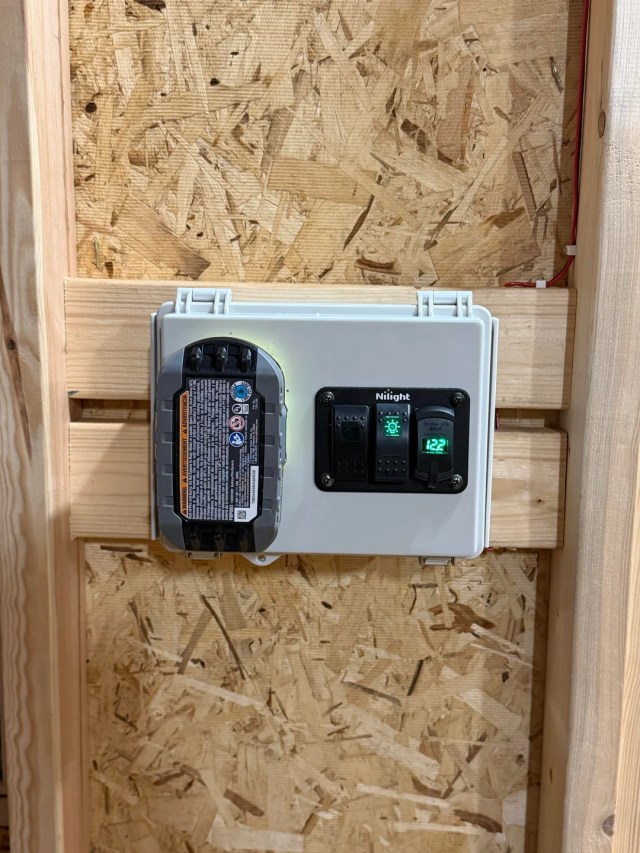
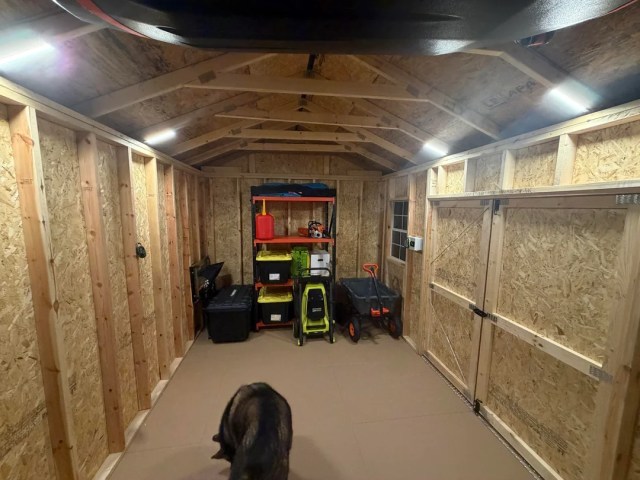
OP shared images of their setup and added, "Pretty happy with how it turned out! I included photos of the build along with screenshots of the parts I used from Amazon for anyone interested in doing something similar."
Rather than hardwiring anything, the build uses a swappable 18V pack as the source and steps that power down to 12V inside the panel. From there, it supports the shed lights, a USB outlet, a voltage display, and a spare switch reserved for something else later.
The original poster estimated that "all in, minus the battery and some wiring/connectors I already had on hand, this can be done for under $100."
TCD Picks » Quince Spotlight
💡These best-sellers from Quince deliver affordable, sustainable luxury for all




Using a 2Ah pack as a test case, the original poster figured the setup would run for about an hour with the lights turned all the way up. Because the lights can be dimmed, dialing them back should stretch that runtime when less brightness is enough.
What can be done?
Match the system to the job instead of overbuilding it. If your goal is occasional light and device charging, a small removable battery and dimmable LEDs may be all that's needed.
One commenter wrote, "Lights marketed for RVs are great for these types of projects. They generally have a pretty wide operating range." In some cases, that could reduce the need for extra components, though only if the lights are actually rated for the voltage involved.
The commenter said their lights had "survived a couple of years on the 20-21 volts my Ryobi battery puts out without a buck converter," but the safest route is still to choose parts with clear voltage specs and build around how long you really need the system to run.
Where can I learn more?
This kind of battery-powered DIY project fits into a bigger conversation about flexible home energy.
• One off-grid homeowner built an impressive battery garage setup that now even charges visiting EVs.
• In Australia, one homeowner said a 20kW solar setup made blackouts invisible.
• Another homeowner skipped battery storage and said his solar setup works just fine.

Get TCD's free newsletters for easy tips, smart advice, and a chance to earn $5,000 toward home upgrades. To see more stories like this one, change your Google preferences here.






