


A do-it-yourself mini-split installation can be a smart way to cut upfront costs on a high-efficiency heating and cooling upgrade, but one small mistake near a refrigerant fitting can quickly turn those savings into a much bigger repair issue.
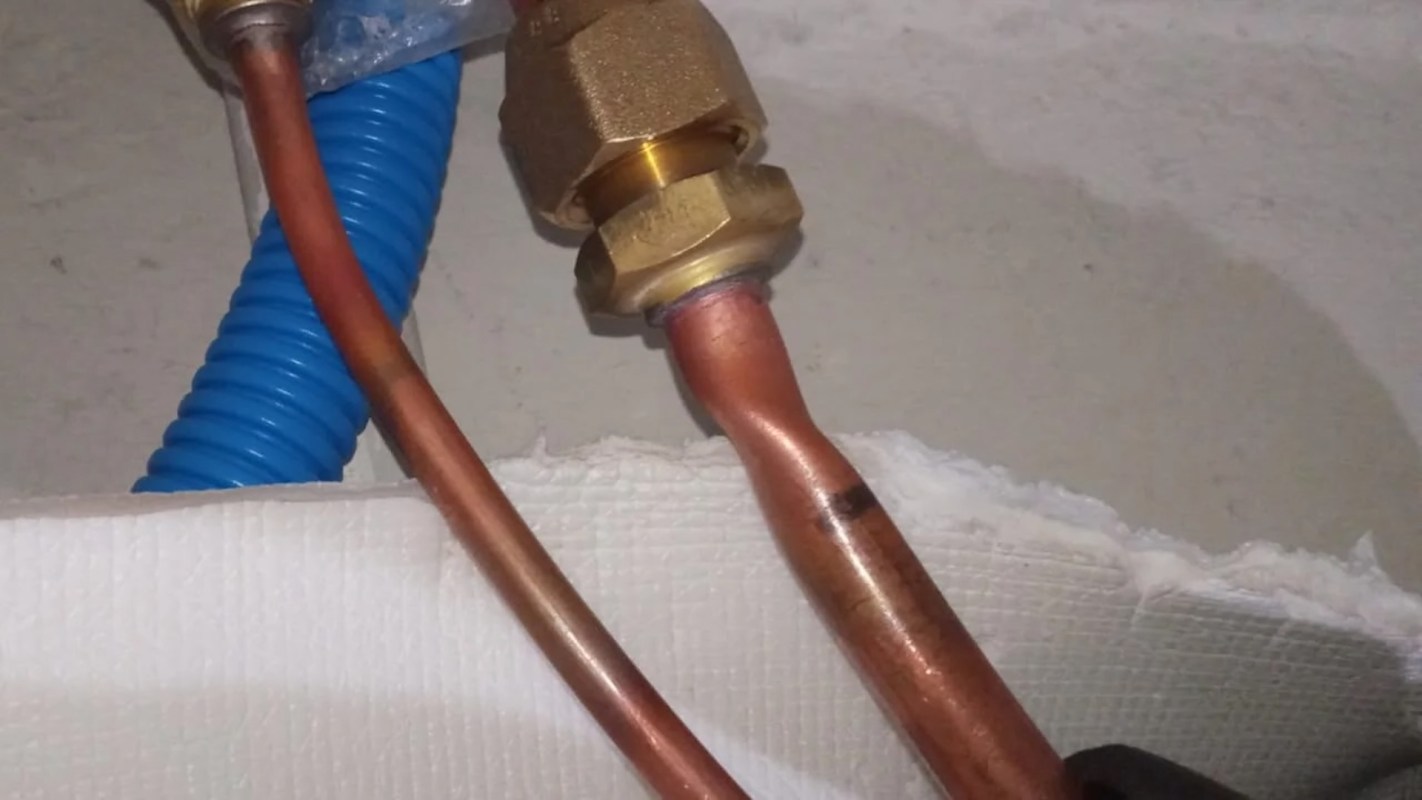
That was the situation for one homeowner, who noticed a visible bend after tightening the refrigerant lines on a brand-new mini-split and wondered whether it was harmless or a problem that could get worse.
Here's what to know
The discussion began in a Reddit thread in r/HVACAdvice, where the original poster wrote, "I noticed this kink after tightening the refrigerant lines from a brand new mini split. I thought I was careful enough and was holding that end with another wrench while I tightened. Definitely gonna be getting myself a torque wrench now."
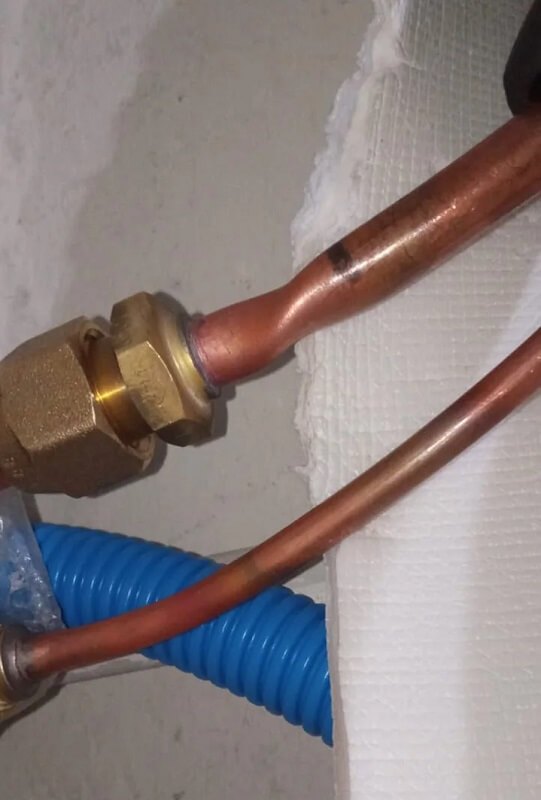
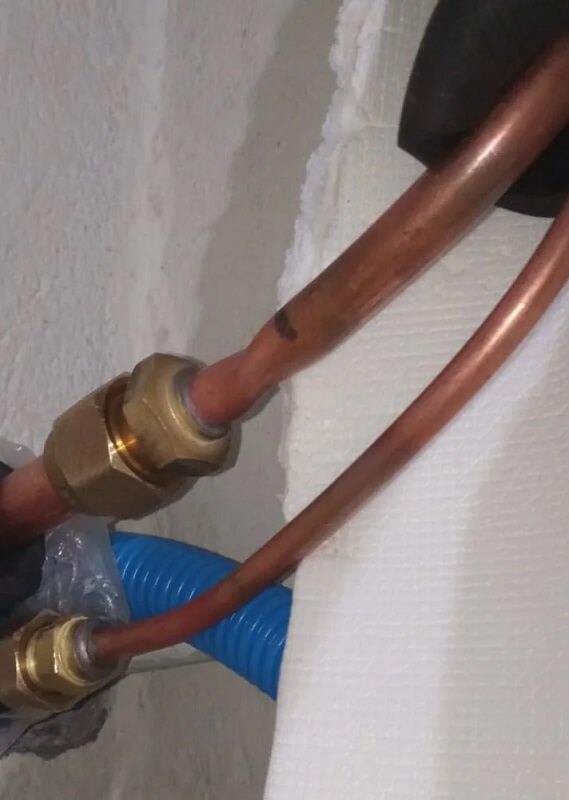
Replies landed on both sides. One commenter wrote, "I think this is probably ok. Looks more warped than kinked and the flare fitting looks solid."
Another was less comfortable leaving it as-is: "Not great but I'd send it if it was mine. If it was for a customer then I'd redo it."
The copper refrigerant lines in a mini-split are meant to stay smooth and intact. If tubing near the flare gets crushed, twisted, or weakened, the system can lose efficiency and could eventually develop a leak.
TCD Picks » Quince Spotlight
💡These best-sellers from Quince deliver affordable, sustainable luxury for all




More background
Part of the appeal of mini-splits is that they provide heating and cooling without ductwork, which can improve comfort while reducing energy use. DIY-oriented systems also appeal to homeowners because doing the work themselves can cut labor costs.
That financial upside can disappear, though, if a connection is damaged during installation. Copper is soft and offers little margin for error, and flare fittings can be especially prone to twisting or over-tightening.
Several commenters noted that a misshapen section can still become a failure point even if the system seems to work normally.
"Kinks, crushes, and errors like this can make its [efficiency] go down… also it creates a weak spot where a future leak can develop," one commenter wrote.
One commenter described the more complete repair this way: "IDEALLY you'd undo the flare nut. Cut the copper. Use a de burring tool to clean it up. Then a flare tool to re flare it. If you do this make sure you have the nut on the copper. Even us techs forget that step sometimes it's infuriating. Also make sure it's oriented the right way."
What can be done?
Using a torque wrench on flare fittings instead of tightening by feel is one way DIY installers can avoid turning a money-saving project into a more expensive repair.
When a line appears bent or twisted before the system is fully running, stopping to inspect it closely may be worthwhile. Some commenters thought the damage looked minor enough to leave alone, while others said the safer long-term choice was to cut back the copper and remake the flare.
Commenters also pushed back on the idea of simply squeezing the copper back into shape. After one commenter suggested pliers, another responded, "Leave it alone unless you like ready to be without HVAC until like someone can come repair, purge, vacuum and charge the system."
Careful technique and proper torque can help preserve the savings from a DIY mini-split install. If reflaring copper is not done correctly, calling a technician could still be cheaper than dealing with a leak later.
Where can I learn more?
Anyone debating whether to leave a questionable mini-split connection alone may also want a wider view of how these systems fit into home heating and cooling decisions. These stories touch on the same tradeoff from different angles: save money upfront, or deal with a small problem before it turns into a bigger repair.
• A curious U.S. homeowner went down a rabbit hole over why mini-splits remain uncommon.
• A home inspector showed homeowners how catching leaks early can avoid thousands in repairs.
• Online DIYers warned that electrical tape turns sticky, making cheap fixes costlier later.

Get TCD's free newsletters for easy tips, smart advice, and a chance to earn $5,000 toward home upgrades. To see more stories like this one, change your Google preferences here.






