


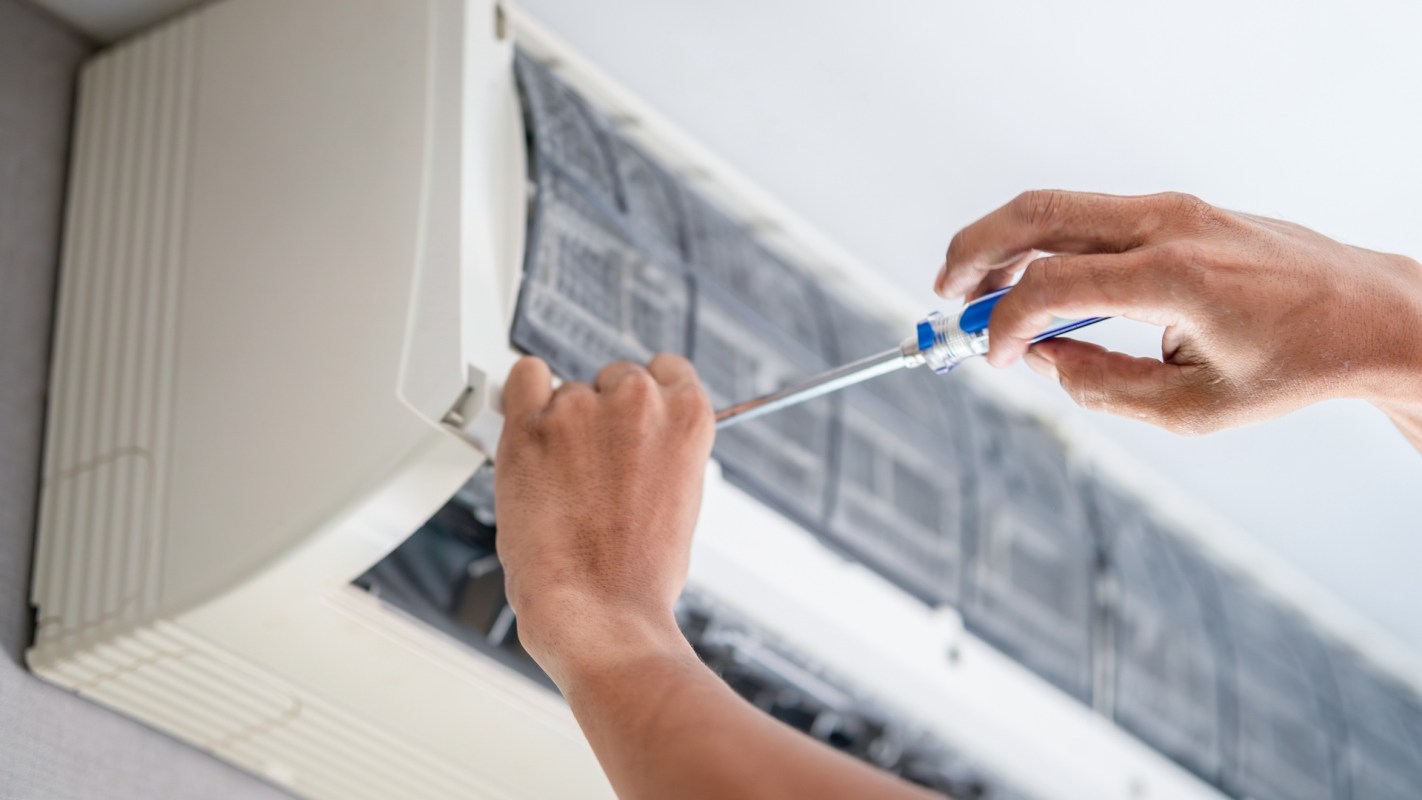
After passing on a $12,000 air-conditioning replacement quote and the interest that would have come with a payment plan, a homeowner said they took classes, installed the system themself, and ultimately saved about $20,000.
What happened?
With hotter weather arriving, homeowners trying to control utility costs are again searching for affordable ways to keep their houses cool. One Reddit user contributed a long roundup of cooling tips focused on saving money.
One of the more unique steps they shared was to install a heat pump themselves, even if it meant taking classes.
The Redditor wrote, "A contractor quoted us $12,000 in materials and installation when our old central a/c was dying, and the contractor wanted to get us onto a payment plan which would have roughly doubled the bottom line in paying interest."
Instead of accepting that financing arrangement, the homeowner said they enrolled in community college classes and handled the installation on their own.
"Instead we took courses and did the work ourselves, paying $3500 in equipment (in 2018 prices)," they wrote. "So we came out $20,000 ahead, not counting the monthly savings on the electric bill."
TCD Picks » Quince Spotlight
💡These best-sellers from Quince deliver affordable, sustainable luxury for all




The post also included smaller, low-cost ways to keep a home cooler, including changing cooking habits and improving airflow with windows and fans.
Why does it matter?
Cooling costs can become a serious financial strain during the summer, especially when an older air-conditioning system fails in the middle of a stretch of intense heat. Large repair or replacement quotes can leave households with few immediate options, and financing plans can make an already expensive situation even costlier over time.
The story reflects both the shock of major HVAC costs and the potential value of learning practical skills before committing to a large purchase. Not every homeowner can or should install a system on their own, but the example shows that education can open options that may not seem realistic at first.
Small efficiency decisions can make a real difference. Better ventilation, more effective equipment, and reducing unnecessary indoor heat can all help cut electricity use and keep monthly costs lower. For households already dealing with high housing and utility expenses, those savings can add up quickly.
What can I do?
Some of the advice was very simple, focusing on keeping extra heat out of the house. The user suggested putting "a lid on a pot when boiling water," turning on "the exhaust fan if you have one," and cooking "according to the weather" so that hot days do not get even warmer indoors.
They also pointed readers to the weather forecast, saying windows should be adjusted as outdoor temperatures shift.
"Open and close the windows according to the hourly weather forecast," they wrote. "Cross ventilation makes a difference."
When it came to cooling gear, the Redditor favored one option over another: "If choosing between a window air conditioner or a portable air conditioner, get the window model if feasible." They also wrote that people in dry climates should "consider getting a swamp cooler."

Get TCD's free newsletters for easy tips, smart advice, and a chance to earn $5,000 toward home upgrades. To see more stories like this one, change your Google preferences here.






