


What looked like a routine electrical add-on quickly became a warning sign about the kind of shoddy work that can leave homeowners facing serious safety risks and contractors with an impossible choice: walk away or inherit someone else's mess.
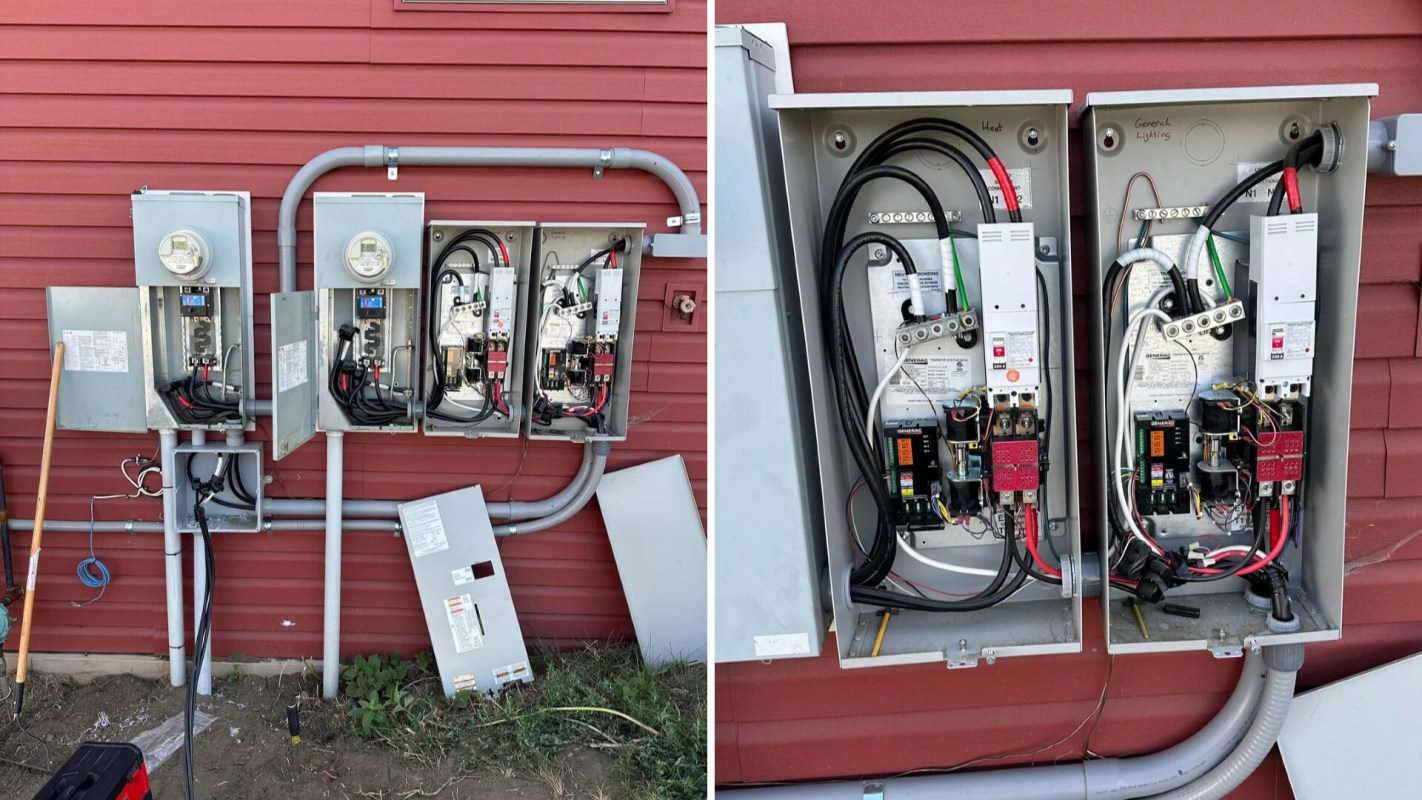
An electrician expecting a straightforward detached-garage panel job instead opened up a generator setup and found what he strongly suspects was unpermitted work tied into a home's service equipment.
Here's what to know
In a post on Reddit, he said the home had "a standard meter/main set up for a 200 amp house panel, then a second off peak meter/main for heat" — not the simple "add a detached garage BR2100 and a BR120" job he had expected.
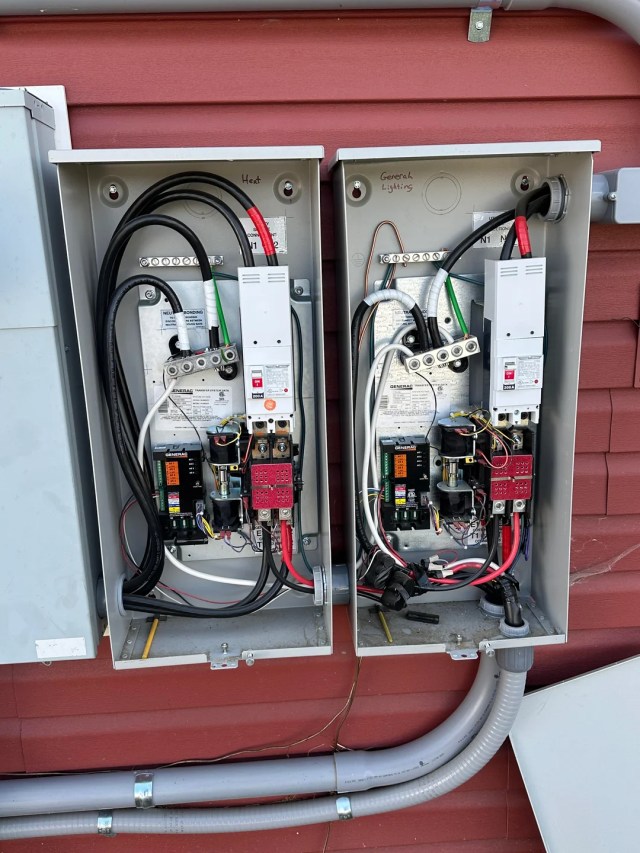
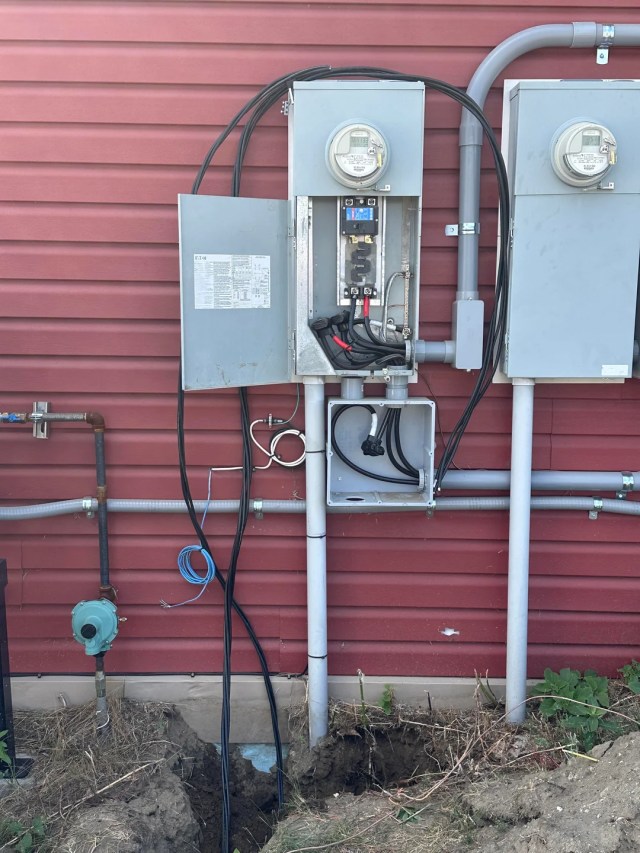
Because he has "a very strong assumption no permit was pulled," he said he wants the authority having jurisdiction involved. He also plans to pull a permit himself and does not want to work on the existing installation as it currently sits.
He suggested the fix should have been far more straightforward.
He said, "All these guys had to do was run a 4 wire from the meter main, leave everything bonded, separate grounds and neutrals in the transfer switches."
TCD Picks » Quince Spotlight
💡These best-sellers from Quince deliver affordable, sustainable luxury for all




That made the apparent involvement of an "authorized Generac dealer" even more concerning to him.
Other electricians in the thread did not hold back.
One user said, "This is a poorly planned abomination."
Another added, "Yeah, the contractor that installed that can deal with all of it. I wouldn't touch a thing."
More background
An incorrectly wired generator transfer setup can increase the risk of backfeeding, equipment damage, inspection failures, and expensive rework.
When sloppy or unpermitted work has to be torn out and redone, homeowners can end up paying twice for materials, labor, and repairs.
While one user said, "is actually set up correctly," that same person warned that "You're also not really supposed to use 2P transfer switches on multiple services," adding that the system "should be installed with 3 pole transfer switches."
What can be done?
One suggested taking "before pictures" and said not to rule out contacting "the license holder / owner of the company that did the original install."
Documenting the work protects the current contractor, gives inspectors a clearer picture, and may help homeowners pursue accountability if prior work was done improperly.
Where can I learn more?
Problems like this are not limited to generator cabinets or detached-garage panels. Similar issues have arisen in home charging and backup-power projects, where poor wiring decisions and questionable installations can turn a basic upgrade into a real hazard.
• Homeowners dealing with proper wiring failures saw outlets melt after botched home charger installs.
• In a rental garage, a dangerous home charging setup drew blunt warnings to stay away.
• In Florida, a garage equipment installation fight left one homeowner furious and stuck.
Each case is a reminder of how fast a home electrical project can go sideways when the plan is sloppy or the installation is done wrong. That is why permits, documentation, and qualified oversight matter before anyone agrees to step into a questionable setup.

Get TCD's free newsletters for easy tips, smart advice, and a chance to earn $5,000 toward home upgrades. To see more stories like this one, change your Google preferences here.






