


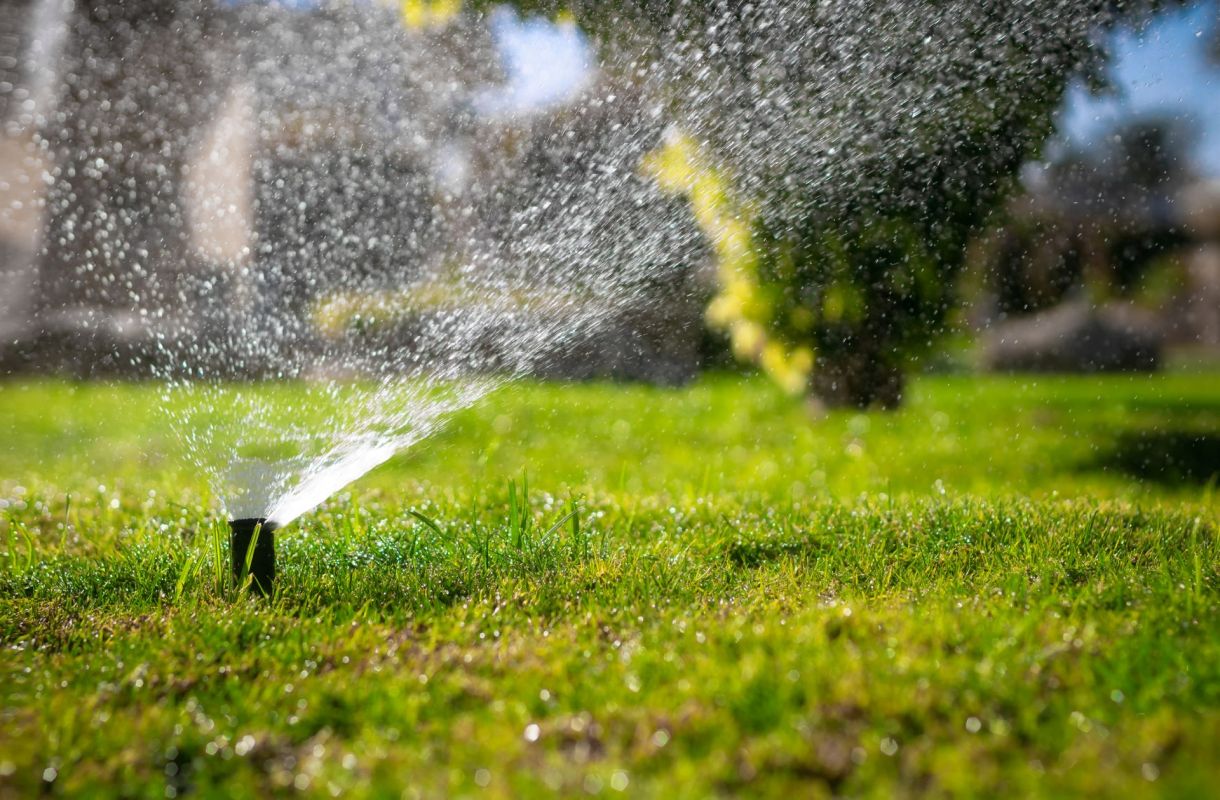
Denver may soon see a major shift in how it uses water.
The Denver Board of Water Commissioners is considering a rule that would ban lawn watering starting on Oct. 1, driven by a historically hot and dry year.
Here's what to know
Denver Water saw natural streamflow from April through July reach only 22% of normal, its lowest mark in 110 years of recordkeeping, KDVR reported. Meanwhile, the first seven months of 2026 were the hottest on record, putting additional stress on reservoirs that already rely heavily on seasonal runoff, prompting the proposal.
For many, the effects would be visible almost immediately. Lawns that would typically stay green could go dormant or turn brown, and residents who value traditional turf may see the proposal as inconvenient or costly.
More background
The proposal comes as hotter temperatures, weaker snowmelt-fed streamflow, and lower reservoir levels loom as increasingly worrying factors. Denver's water system depends heavily on mountain runoff, so when streams underperform this dramatically, the effects can quickly spill over.
Some homeowners worry about losing landscaping they invested in, while renters and residents in neighborhoods with strict appearance standards may feel they have little control.
TCD Picks » Quince Spotlight
💡These best-sellers from Quince deliver affordable, sustainable luxury for all




Reducing water use during severe drought can help communities stretch limited supplies, lower the risk of more disruptive emergency measures later, and normalize landscaping choices that are better suited to a hotter and drier environment.
What can be done?
Seasonal limits on lawn watering are intended to cut demand quickly when conditions worsen, giving reservoirs more breathing room and helping utilities prioritize essential uses.
Cities can ease the strain of these rules by updating landscaping expectations. That can include encouraging drought-tolerant yards, revisiting HOA or local standards that favor water-intensive turf, and helping residents understand that a less green lawn is not the same as neglect.
Preparation can include checking local watering rules, gradually reducing irrigation before any cutoff date, and considering replacing parts of traditional grass with lower-water plants, mulch, or native landscaping over time.

Get TCD's free newsletters for easy tips, smart advice, and a chance to earn $5,000 toward home upgrades. To see more stories like this one, change your Google preferences here.






