


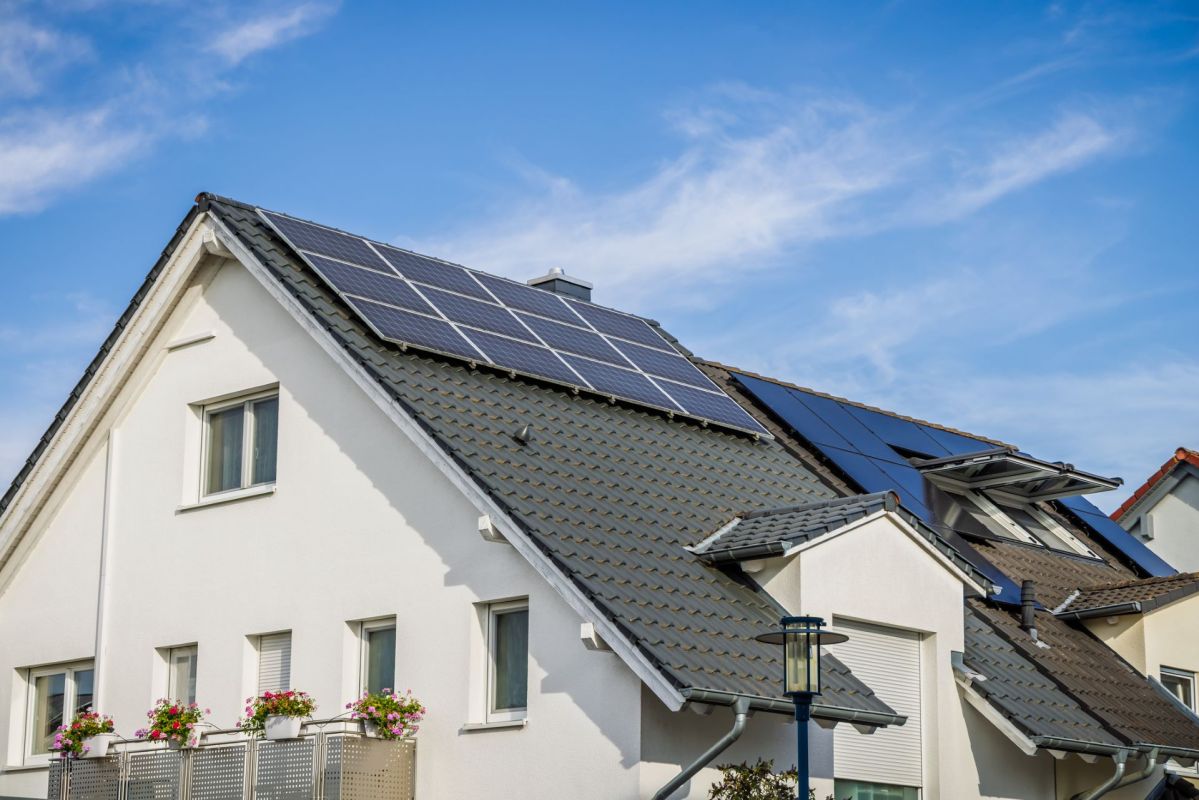
For one Denver homeowner, a rooftop solar quote went from pricey to surprisingly affordable once all of the available incentives were taken into account.
However, some commenters cautioned the homeowner that lower upfront costs could lead to higher expenses later if they decided to add a home battery to their system.
Here's what to know
Posting to Reddit's r/solar community, the Denver-area homeowner shared that they could save roughly $10,000 on a solar installation thanks to several available incentives. However, the homeowner was still undecided about whether going solar was worth it, so they asked fellow Redditors for their takes.
According to the original poster, they obtained a quote of roughly $14,400 for a 4.86-kilowatt setup. However, after rebates and incentives, the homeowner's out-of-pocket cost would drop to only $4,348.
The proposed setup would include 12 Hyperion 405 panels and 12 Enphase IQ8+ micro-inverters. The homeowner said the discounts came via a 30% HDM rebate, $4,000 from a program funded by the City of Denver, and $1,740 through Xcel's disproportionately impacted community program. In all, the savings would total more than $10,000.
The OP explained that the system would generate roughly half of their household's typical electricity consumption. While this would not cover all of their home's electricity use, it still would result in significant savings.
Additionally, the homeowner said the quote included a production guarantee.
When considering whether a solar quote fits their budget, many homeowners calculate how long it will take the system to pay for itself. Put differently, they estimate how much they expect their solar system to save them in annual energy costs and compare that to the total cost of the system.
Save $10,000 on solar panels without even sharing your phone number Want to go solar but not sure who to trust? EnergySage has your back with free and transparent quotes from fully vetted providers that can help you save as much as $10k on installation. To get started, just answer a few questions about your home — no phone number required. Within a day or two, EnergySage will email you the best local options for your needs, and their expert advisers can help you compare quotes and pick a winner. |

As an example, if a solar installation costs $4,000 and yields $500 in annual savings, it would take eight years for the system to "pay for itself." ($4,000 divided by $500 is eight.)
However, the OP conceded they were having a hard time determining their potential savings because of complicated time-of-use pricing.
"I'm struggling with figuring that out due to the TOU rates," the OP wrote.
As for the quote itself, several commenters said the out-of-pocket number looked favorable, particularly for a smaller installation. Still, they cautioned that certain aspects of the setup could make later upgrades more expensive.
More From EnergySage
💡Go deep on the latest news and trends shaping the residential solar landscape


"If you think you ever want to add batteries, either get a Combiner 6C now, or go with a hybrid inverter and not micros," advised one user.
Another Redditor agreed, saying that making the change later would be "much more expensive."
"I've been investigating doing this for 6 months and am an engineer," they continued. "Wish I had gone with a hybrid inverter instead of Enphase. It is at least $4k to DIY 1 rack battery. Would have been $1.5k if I had gone with a hybrid inverter instead."
With so many factors to consider, going solar can seem daunting. EnergySage can simplify the solar-installation process with free estimates and price comparisons from local installers.
What can be done?
Saving a few dollars now could mean paying a lot more later, so it is important to consider your future plans when deciding which system is right for you.
The post also showed how much money you can still save by taking advantage of state and local solar incentives.
EnergySage's solar map can help identify available incentives while also showing the average cost of a home solar panel system on a state-by-state level. Together, those resources can help homeowners get the best price for rooftop solar panels and access available incentives.
Adding battery storage to a solar setup is one of the best ways to protect your home during outages, save money on energy, and go off-grid. Homeowners interested in backup power can explore EnergySage for information about home battery storage options, including competitive installation estimates.
With EnergySage's help, the average person can save up to $10,000 on solar purchases and installations. That makes it especially valuable for people trying to balance a low upfront quote with the possibility of future upgrades.
Where can I learn more?
These stories offer a deeper look at homeowner solar quotes, incentives, tax credits, and unexpected utility costs.
• A Chicago-area homeowner saw Illinois incentives cut net cost on a $37,000 solar quote.
• In El Paso, a new rooftop solar fee pushed one homeowner's bill from $30 to $117.
• One homeowner got up to $9,000 off after timely advice on solar tax credits.
• A proud homeowner said he snagged $10,000 in incentives for brand-new solar panels.
• A new homeowner's first bill hit $420 despite rooftop panels highlighted during the sale.

Get TCD's free newsletters for easy tips, smart advice, and a chance to earn $5,000 toward home upgrades. To see more stories like this one, change your Google preferences here.






