


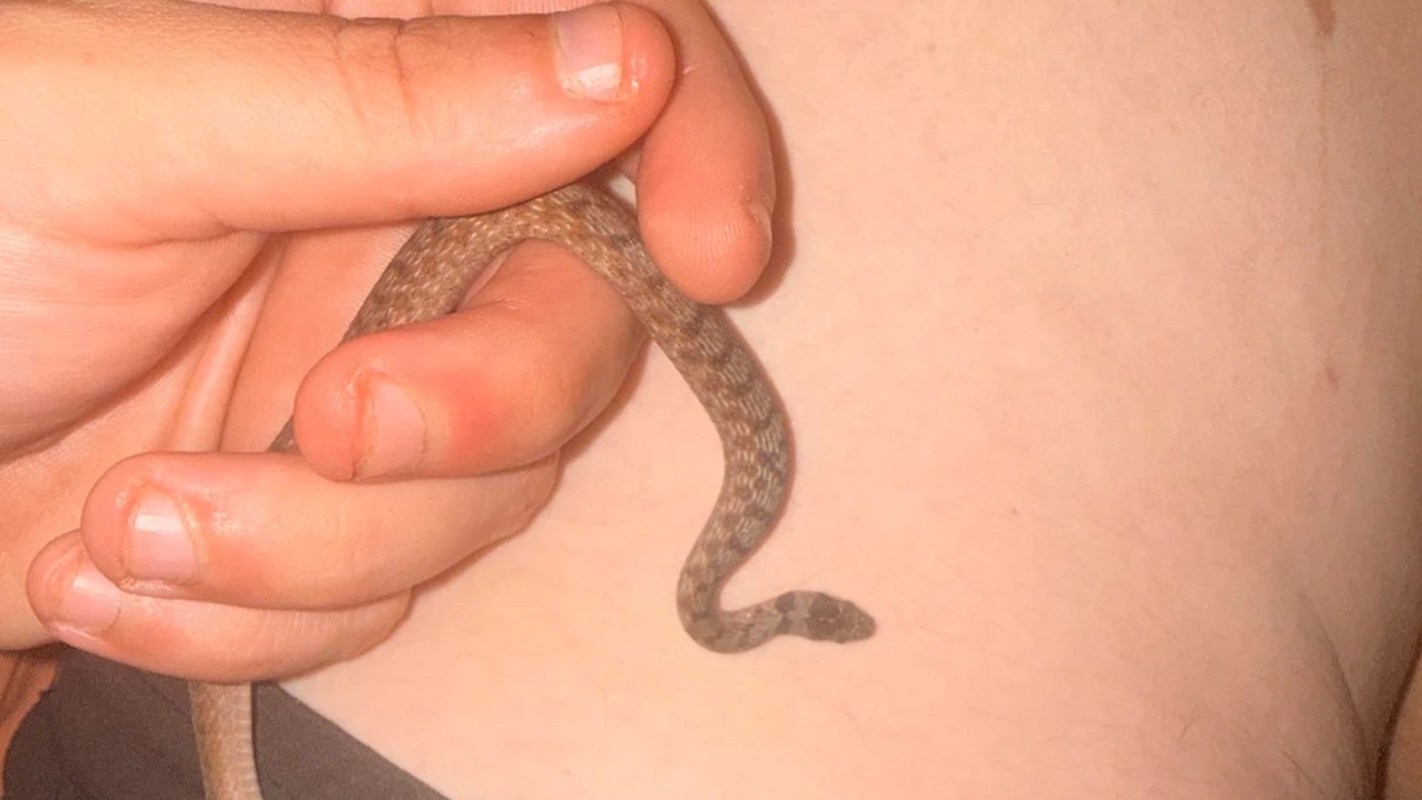
A pet owner in West Tennessee described a jarring pre-dawn moment after their cat started bouncing around on the bed and, when they reached over in the dark to see what was going on, they felt scales.
The good news: the surprise visitor turned out to be a DeKay's brownsnake — a small, harmless species — rather than one of the region's venomous snakes.
Here's what to know
In a post on Reddit's r/snakes, the user said their cat's movement on the bed woke them and prompted them to feel around to find the cause.
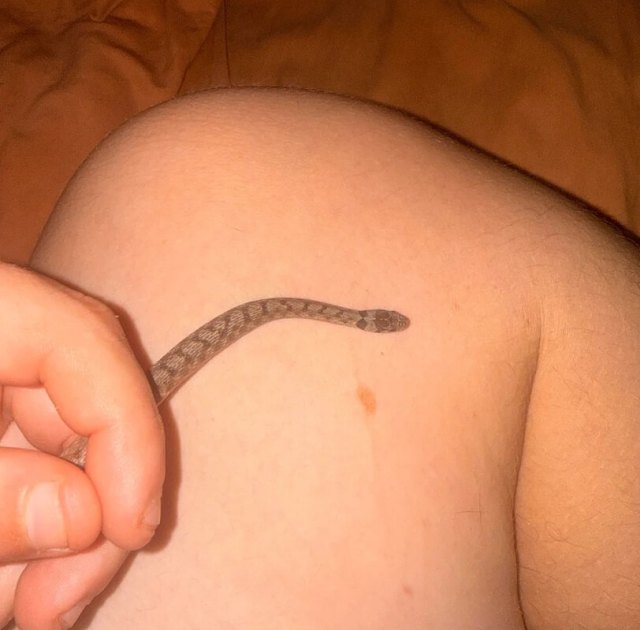
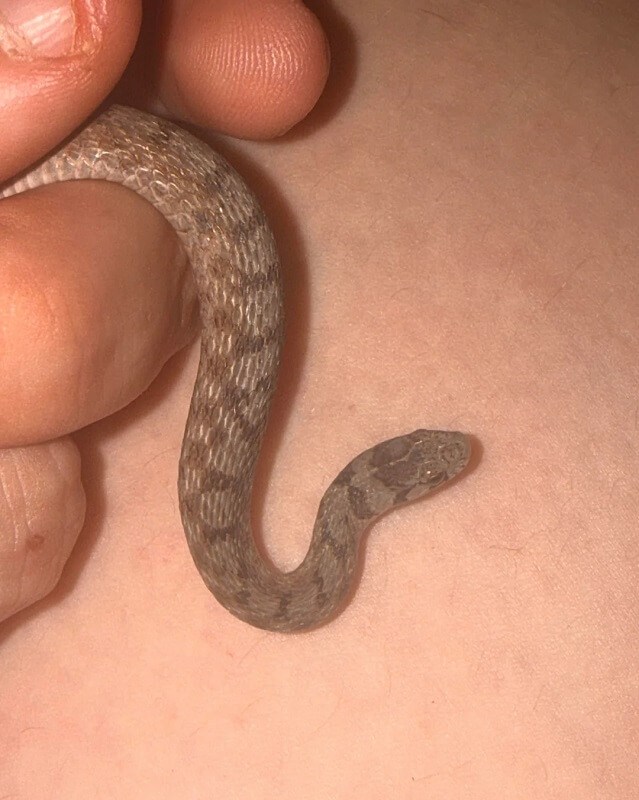
"When I got my light on I was so relieved to see a DeKay's brownsnake," the poster wrote.
Although they did not see any clear injuries on the snake, they said they were still concerned about what a cat encounter could mean for such a small animal.
"I didn't find any obvious injuries from the cat, so I'm hoping it's ok, but those cat teeth are bad news, especially for such a small snake," they added.
TCD Picks » Quince Spotlight
💡These best-sellers from Quince deliver affordable, sustainable luxury for all




In later comments, the poster said they released the snake beside a raised flower bed and indicated that the tiny reptile was already full-grown.
"This little noodle is actually an adult, they eat earthworms and slugs," the user stated.
Commenters were relieved the little guy appeared unscathed.
"Hope the snake dodges any more run ins with your kitty. Glad it didn't seem hurt," said one.
More background
The original poster noted that their pet was already an indoor cat.
Because their cat stays inside, the owner suspected the snake found its way in from outside — possibly from a woodpile under the back porch and through gaps near a basement door.
The BBC has explained that human activity and development can increase close encounters with wild animals by shrinking habitats and forcing people, pets, and wildlife into tighter quarters.
Rather than being dangerous, DeKay's brownsnakes are a familiar species across eastern North America and are often welcomed in backyards because they feed on soft-bodied pests such as slugs.
What can be done?
Sealing gaps around basement doors, foundations, and screens can help keep small animals from slipping inside.
Moving woodpiles farther from entry points may also reduce the chances that snakes or rodents settle too close to the house.
Pet owners can also watch how cats access porches, basements, and other transition spaces. Even indoor cats can encounter wildlife if those areas are not secure.
It also helps to learn which snake species live locally.
Several deliberated the difference between North America's harmless DeKay's brownsnake and Australia's highly venomous eastern brown snake.
Ultimately, the poster concluded that they needed to figure out how the animal got in, writing that they had to identify the entry point to protect small snakes from chancing upon their cat.
"I don't want [the cat] terrorizing the wildlife I love."
Where can I learn more?
The snake in that West Tennessee bed wasn't an isolated fluke. Similar encounters near homes run from odd backyard sightings to genuinely dangerous close calls, which is why secure entry points and close supervision of pets matter.
• A pet owner caught a cat interacting with a wild bobcat near their home.
• In Sebastopol, security footage showed a mountain lion stalking through a backyard at night.
• In North Carolina, a man described being attacked by a bobcat in a frightening encounter.
• On a hiking trail, a woman experienced an extremely close call with a wild cat.
When an animal turns up near a house, moments like these remind us that even familiar spaces can quickly become wildlife territory. Knowing which species live nearby — and keeping pets from making things worse — can make those encounters much easier to handle.

Get TCD's free newsletters for easy tips, smart advice, and a chance to earn $5,000 toward home upgrades. To see more stories like this one, change your Google preferences here.






