


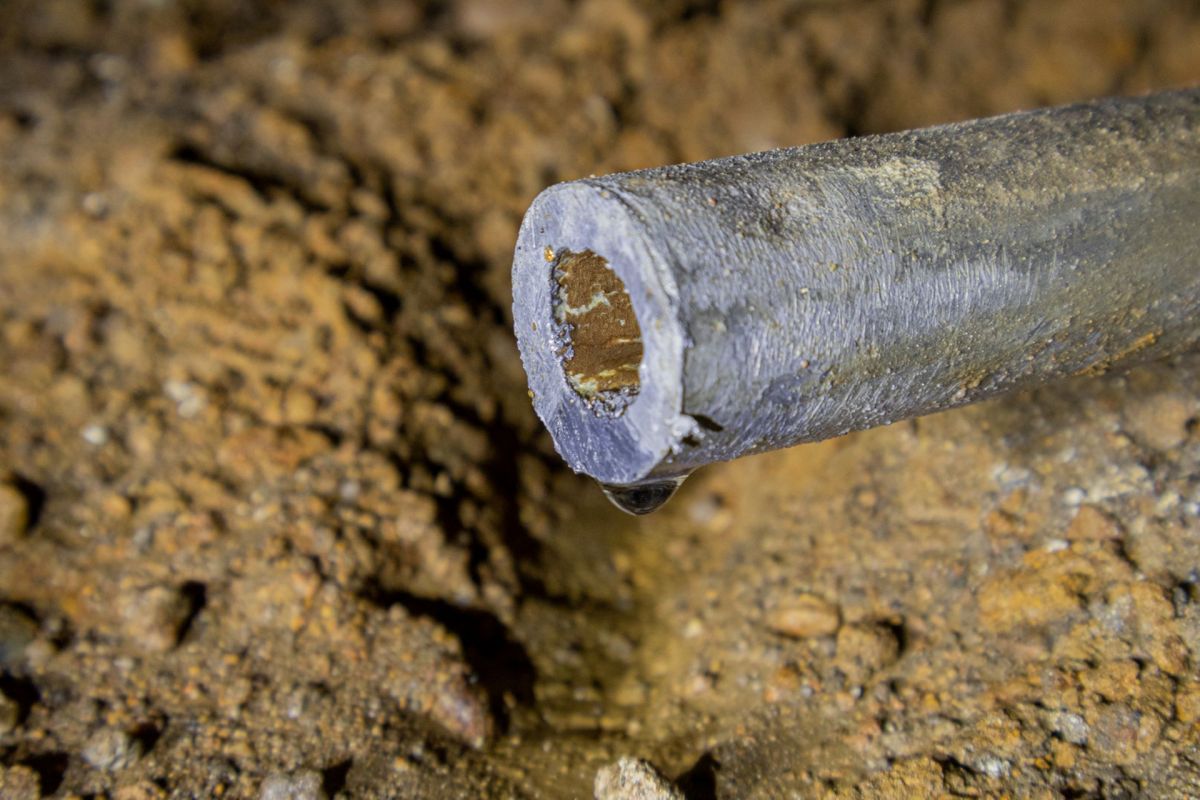
For homeowners facing shockingly high repair bills for aging water lines, one Illinois city just made it much easier to replace hazardous pipes, removing a major financial barrier.
Decatur's city council voted unanimously last week to fully reimburse residents and businesses for certain lead service line replacements, a move intended to speed up repairs, reduce exposure risks, and eliminate a major financial hurdle for communities.
What happened?
Under the updated program, residential properties can qualify for as much as $6,000 and commercial properties up to $10,000 for leaking or damaged lead service lines after the Decatur City Council raised reimbursement to 100%, according to WCIA via Yahoo News.
For service lines that are replaced voluntarily or are not marked as urgently needing repair, the city will continue paying 50% of the cost, with a maximum reimbursement of $3,000. That cost-sharing approach dates back to a Jan. 17, 2023, policy that split expenses evenly between the city and property owners.
The expanded reimbursement reportedly became possible after the Illinois EPA received additional federal funding for lead service line removal. That support allows loan forgiveness for Decatur's current 2026 project and proposed 2027 project to reach 100%, for a total of more than $4 million.
"I think this is going to be something that the public is going to be much more receptive to, and therefore going to get many more takers, which is important," Councilman David Horn said, per WCIA.
TCD Picks » Quince Spotlight
💡These best-sellers from Quince deliver affordable, sustainable luxury for all




Why does it matter?
Lead in drinking water poses serious health risks, particularly for children, because even small amounts of exposure can affect brain development, learning, and behavior. Leaking service lines aren't the only way toxic chemicals cause unsafe drinking water; in Atlanta, a fuel spill in the Flint River caused a "do not consume" water advisory.
Even when the danger is clear, many households still run into the same obstacle: the price of fixing it. If residents are expected to pay thousands of dollars out of pocket, needed replacements can be put off. Paying the full cost for leaking lines could help more families make repairs sooner, before conditions get worse.
The city is also working against a deadline. As a council memo quoted by WCIA noted, Decatur has a 10-year window starting in 2027 to eliminate service lines that may be contaminated by lead.
Similar problems are playing out in communities nationwide as aging infrastructure and home-upgrade costs make safety improvements harder to afford.
What's being done?
The revised reimbursement plan is intended to tackle the most urgent situations first. WCIA reported that Mayor Julie Moore Wolfe asked whether the city would begin with fixing leaking pipes before turning to other less critical lines throughout the community, and City Manager Melissa Hon said yes.
"We get about 100 of those cases per year, where they're leaking," Hon said. "So what public works is looking to do is, generally with those, because they are older, they need the replacement."
Hon also said that anyone already scheduled for replacement through the grant would receive full reimbursement because that funding requires property owners to pay nothing. People who choose to replace their lines earlier than the city's timetable allows can still move ahead but would have to foot 50% of the bill in those voluntary cases.
Councilman Dennis Cooper raised concerns about limiting the higher reimbursement to lines with confirmed leaks, saying, per WCIA, "If they're going to be in there doing work, whether there's a leak or not, if there's pipes that need to be changed out, that we change them out — and not put on that there has to be a leak … and how are citizens going to know if there's a leak? It may be leaking and they never know that it's leaking."

Get TCD's free newsletters for easy tips, smart advice, and a chance to earn $5,000 toward home upgrades. To see more stories like this one, change your Google preferences here.






