


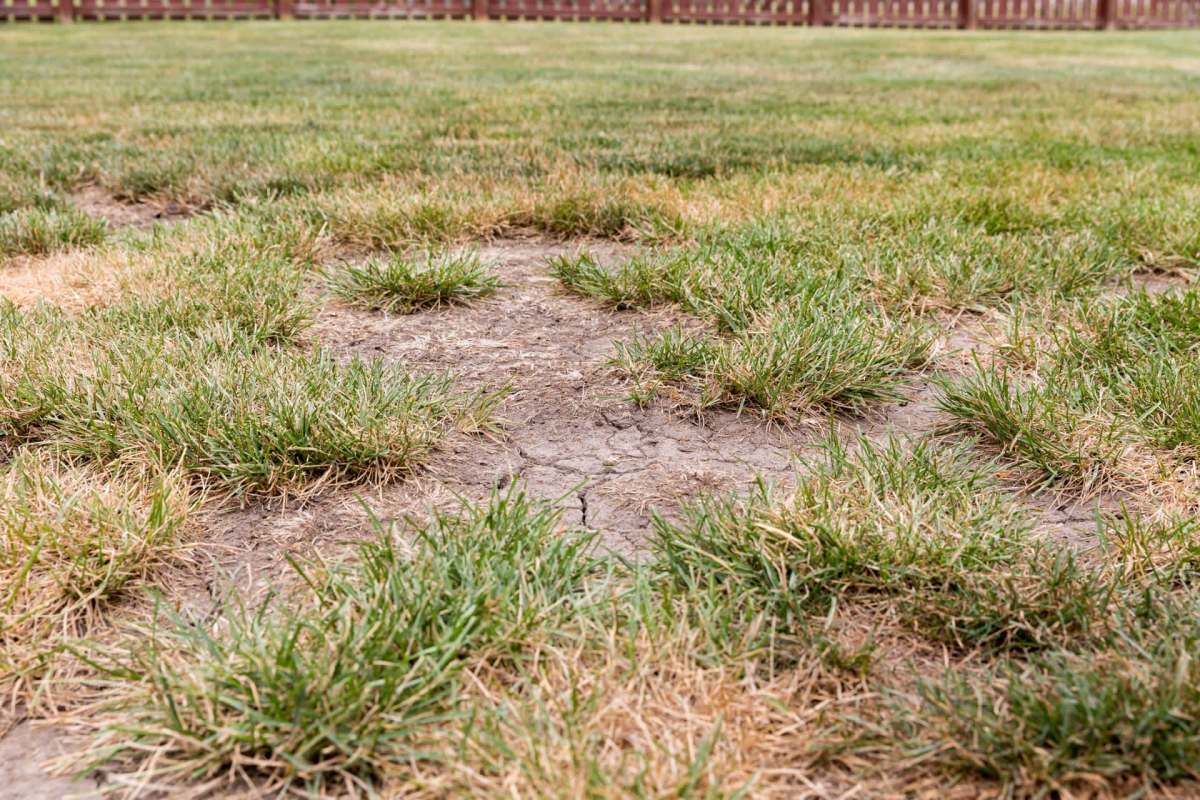
A mysterious bare spot in one homesteader's field is becoming a much bigger concern, especially now that new patches are appearing near fruit trees.
What began as one stubborn dead zone may be a warning sign of a deeper soil or land-use problem that many property owners could face.
What's happening?
On Reddit, a homesteader said a long-odd section of a 2-acre field has started turning into a broader problem. The property includes both a garden and a small orchard, and the poster wrote, "There has always been a small patch, 30 foot square, where nothing really grew. No grass and just sparse weeds," before noting, "This year the patch of death is growing and also new patches are popping up in the orchard."
A nearby peach tree added to the concern. The landowner wrote, "The peach tree that was closest to the original patch, but not in it, is very stunted compared to his brothers," suggesting the issue may not be staying confined to the original area.
Replies largely centered on hidden conditions underground. One commenter wrote, "Either something is buried there (septic tank, other tank, concrete truck cleaned out there, etc) or some chemical was spilled there." Other users raised possibilities including shallow rock, an old septic feature, or unusual drainage.
Why does it matter?
Dead patches in a field are more than a cosmetic issue. When an area that was once stable starts to expand, it can point to contamination, buried construction waste, or other conditions that may threaten nearby crops and trees.
TCD Picks » Quince Spotlight
💡These best-sellers from Quince deliver affordable, sustainable luxury for all




Poor soil health can reduce harvests, stunt tree growth, and make it harder to establish resilient landscapes that hold moisture, support pollinators, and avoid unnecessary inputs.
Local environmental problems often reveal themselves first in small ways: a struggling patch of grass, a tree that falls behind, or a section of land that never behaves quite like the rest.
What can I do?
Start by tapping local expertise. One commenter advised, "Contact your local extension office and go over your findings with them." Another added, "Please use your Co Extension office (Agrilife Extension) Your taxes pay for them, they are trained to help. That is what they are there for."
Extension offices can often help homeowners determine whether they should run a soil test or look for signs of buried material. That can save time, money, and unnecessary treatment.
Commenters also recommended documenting the area carefully. Taking photos over time, marking the patch boundaries, and noting rainfall patterns can help show whether the problem is spreading because of drought, subsurface rock, or something more serious.
If you suspect buried debris or contamination, avoid digging aggressively without guidance. A targeted investigation is safer than guessing, especially around possible septic systems, construction waste, or chemical residues.
"I have contacted my extension office. It was way easier to do than expected," the original poster wrote in an update.

Get TCD's free newsletters for easy tips, smart advice, and a chance to earn $5,000 toward home upgrades. To see more stories like this one, change your Google preferences here.






