


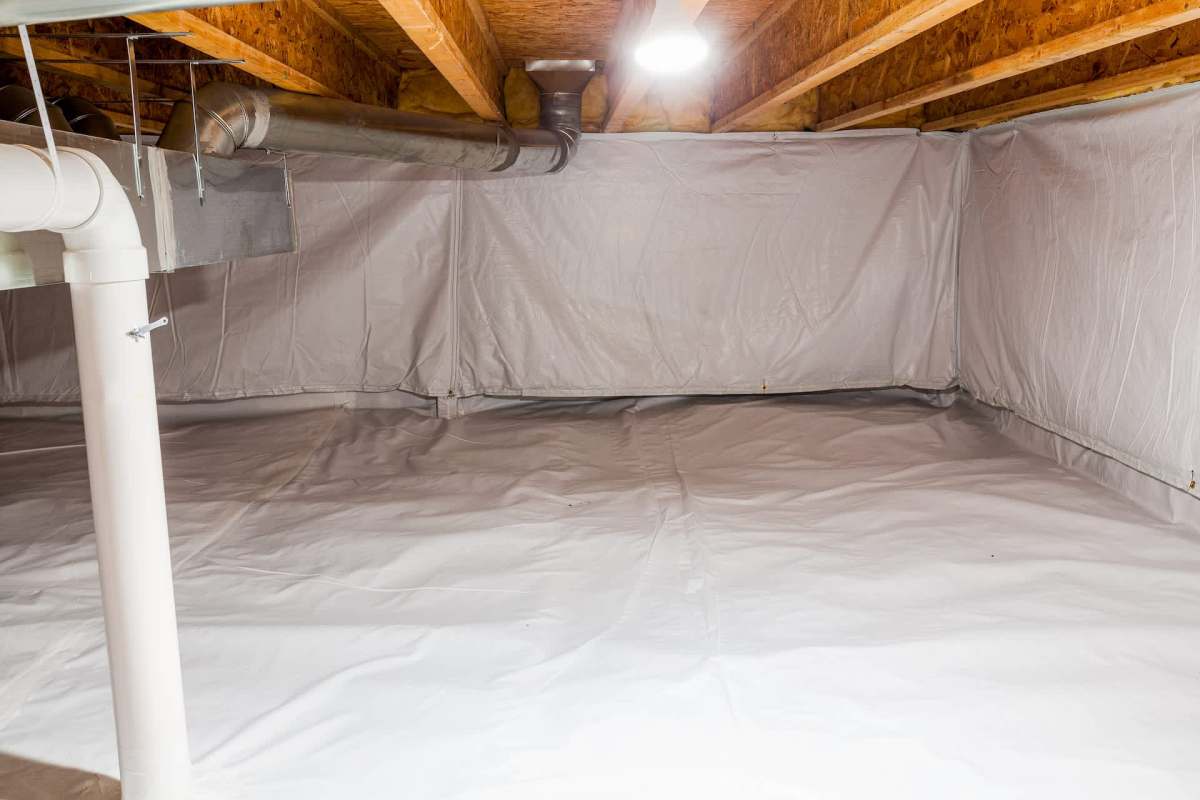
A homeowner paused payment on a $20,000 crawlspace project after posting photos online and getting a harsh response from other DIY-minded users.
The project combined a full ductwork replacement with crawlspace work the homeowner had expected would result in a tightly sealed space.
Here's what to know
Before paying the company, the homeowner went to Reddit to ask for clarification.
"I was under the impression that encapsulation created a perfect seal, so when I saw the completed project I was a little confused," they admitted.
In another comment, they said they had "some alarm bells going off." The issue was whether what they received matched the $20,000 scope.
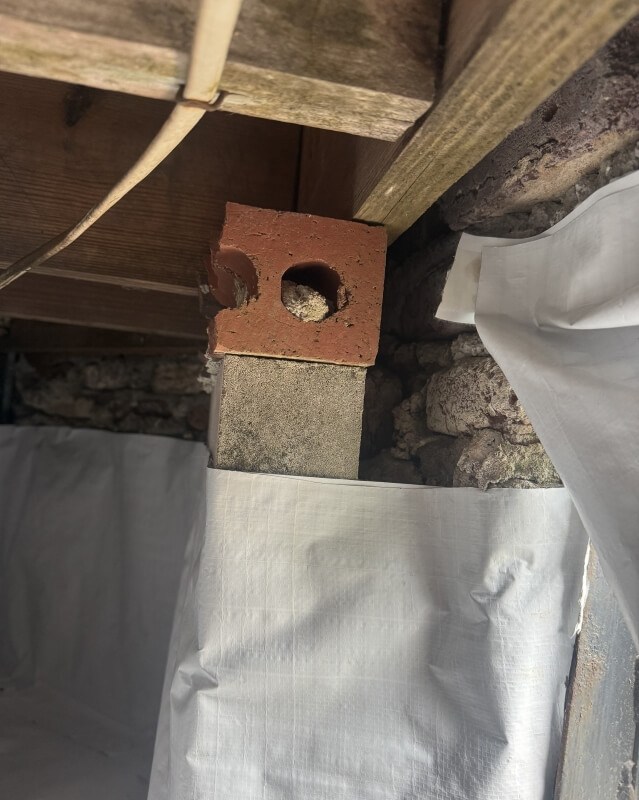
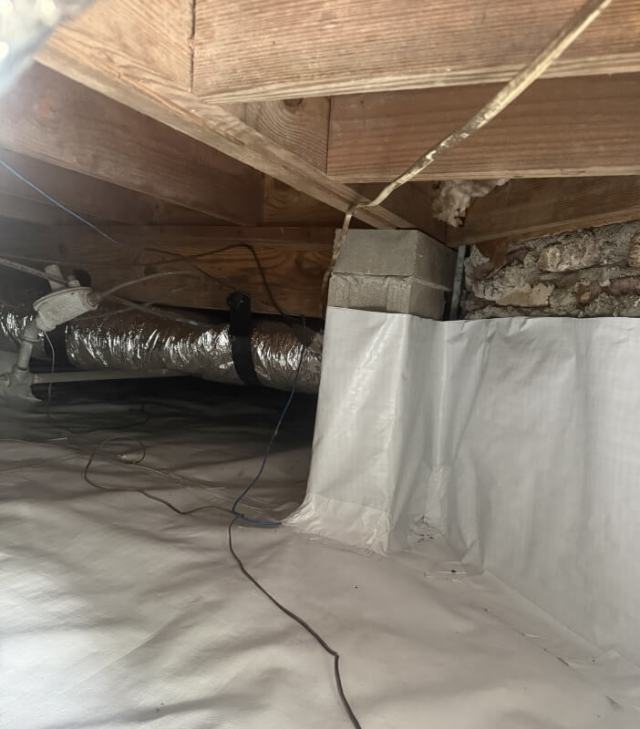
Responses on the r/HomeImprovement subreddit quickly turned critical. One commenter wrote, "That is not encapsulation."
TCD Picks » Quince Spotlight
💡These best-sellers from Quince deliver affordable, sustainable luxury for all




Another described what they would expect in a proper setup: "a thick vapor barrier, usually 12 to 20 mil, overlapped and taped at every seam," brought up the walls, with vents sealed and humidity controlled by "a dehumidifier or a supply air vent."
Once the homeowner posted the contract, the job's wording became a major focus. The agreement called for a 20 mil Class 1 barrier over the crawlspace soil, with seams overlapping by 6 inches and "sealed or taped," as well as 8 mil barrier wrapping on the piers and exterior walls and vent sealing for a dehumidifier installation.
More background
That language led one commenter to say, "You seem to have gotten what was called for, it never says 'encapsulation' because that is not what this is." The same person added that air sealing and insulation are "the hallmarks of an encapsulation" and argued that the written scope didn't clearly lay out either.
Not everyone agreed that insulation had to be assumed. Another commenter countered that wall insulation can vary because it's "going to depend on your local environment and building codes," and noted that the photos did not appear to show subfloor insulation.
The project scope covered more than just ground covering. It also included full duct replacement, a condensation pump, exterior plumbing, anti-fungal treatment, and, if needed, a new crawl door. If those parts are incomplete or don't match the written scope, the homeowner could pay top dollar without getting the moisture-control system they thought they bought.
The homeowner described the contractor as "a local HVAC company with good reviews," prompting another commenter to point out that HVAC installers aren't necessarily foundation specialists.
What can be done?
Because the homeowner hadn't made the final payment, commenters said they still had leverage. Their main advice was to pause payment and require a detailed explanation.
One commenter turned that into a checklist: "Ask the contractor what thickness they used, how the walls and piers are sealed, and how they're handling moisture. Get those answers in writing before you pay the final balance." On a $20,000 project, that could help the homeowner avoid paying in full for work that may not meet expectations.
The contract also gives the homeowner a way to verify the work. If the contractor's answers still do not resolve the issue, the discussion suggested another practical step: getting a second opinion from a specialist.

Get TCD's free newsletters for easy tips, smart advice, and a chance to earn $5,000 toward home upgrades. To see more stories like this one, change your Google preferences here.






