


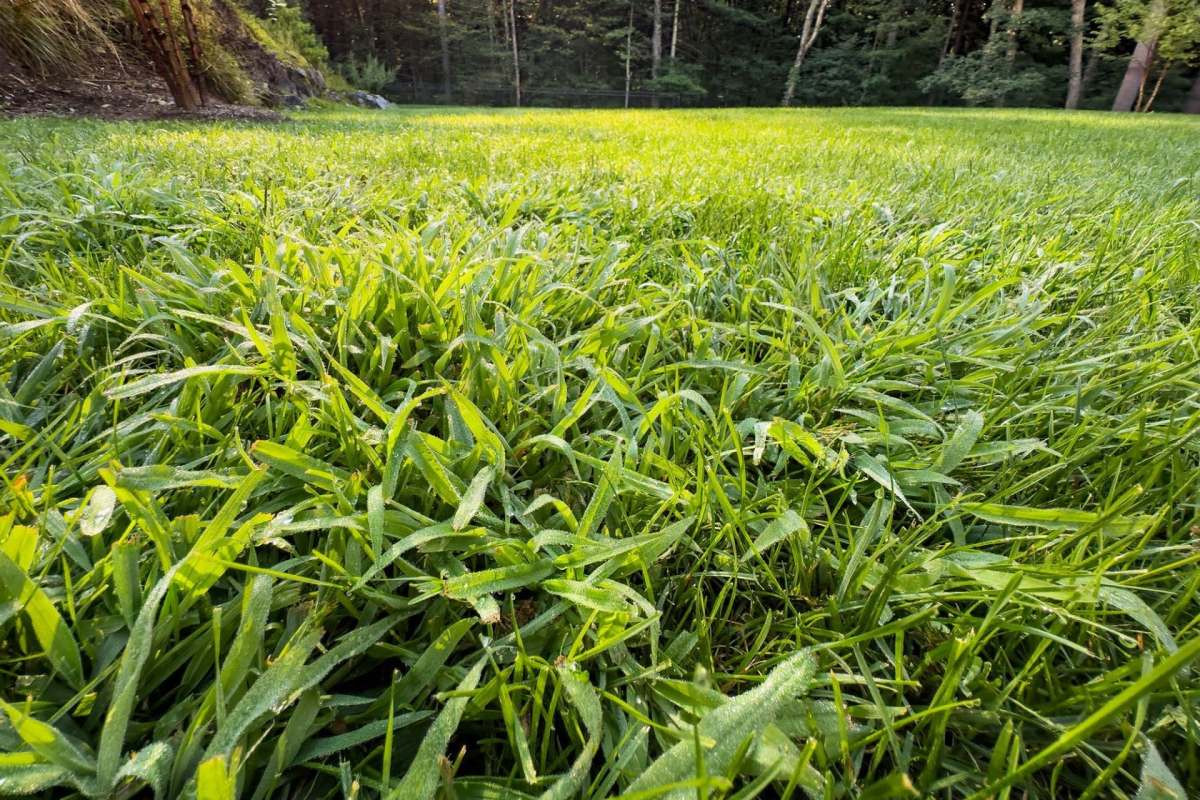
A short phrase in a 1962 newspaper ad sent modern gardeners down a rabbit hole, leaving them to ask if crabgrass was ever something people actually wanted.
What happened?
The question about crabgrass started when one Reddit user shared an old newspaper ad to the r/Gardening community, which included the language, "Here's a gal with everything– nice husband, youngsters, neighbors. Even a yard full of crabgrass."
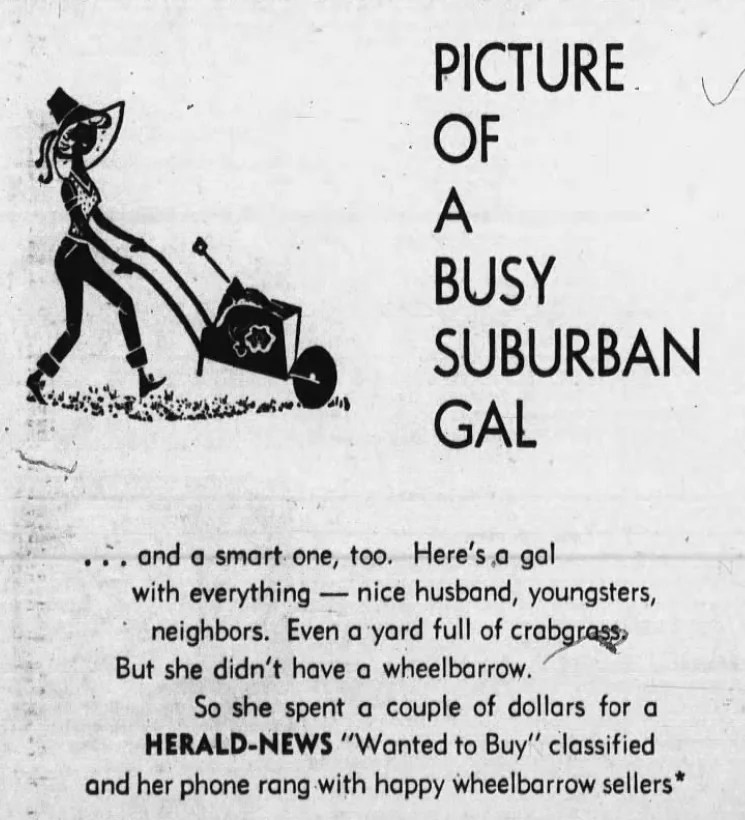
The discovery came when the original poster was searching through old newspapers for a birthday project for their mother-in-law. It left OP wondering whether the plant, now largely considered to be weeds, had ever actually been considered desirable.
Several commenters thought the ad was making a joke rather than praising crabgrass, while others pointed out that the answer likely depends heavily on context.
A user who was firmly in the 'joke' camp wrote, "Crabgrass was part of the running jokes about the new suburban life in the early 60s. You'd like the song 'Here's to the Crabgrass' by Alan Sherman 1963."
One commenter drew a distinction, adding, "Crabgrass was highly desirable and was deliberately scattered across the eastern US, but not for lawns—for livestock. It's extremely palatable and nutritious for grazers."
TCD Picks » Quince Spotlight
💡These best-sellers from Quince deliver affordable, sustainable luxury for all




Another wrote, "It drives me 100% bonkers to see bermudagrass seed being sold everywhere while I've worked so hard to unsuccessfully eradicate it from my garden."
The discussion then turned to how ideas about a "good" yard can change depending on whether land is being used for appearance, food production, animals, or recreation.
Why does it matter?
Even if the ad's line was meant as a punchline, the conversation shows how deeply monoculture lawn culture has shaped American neighborhoods. Homeowners are often taught to treat any plant outside a narrow ideal as a problem to be pulled, sprayed, or mowed down.
That mindset can be costly, too. Traditional turf lawns often require frequent watering, fertilizer, gasoline or electricity for mowing, and near-constant upkeep. By contrast, replacing some or all of a lawn with native plants can save money and time on maintenance while also helping lower water bills.

Get TCD's free newsletters for easy tips, smart advice, and a chance to earn $5,000 toward home upgrades. To see more stories like this one, change your Google preferences here.






