


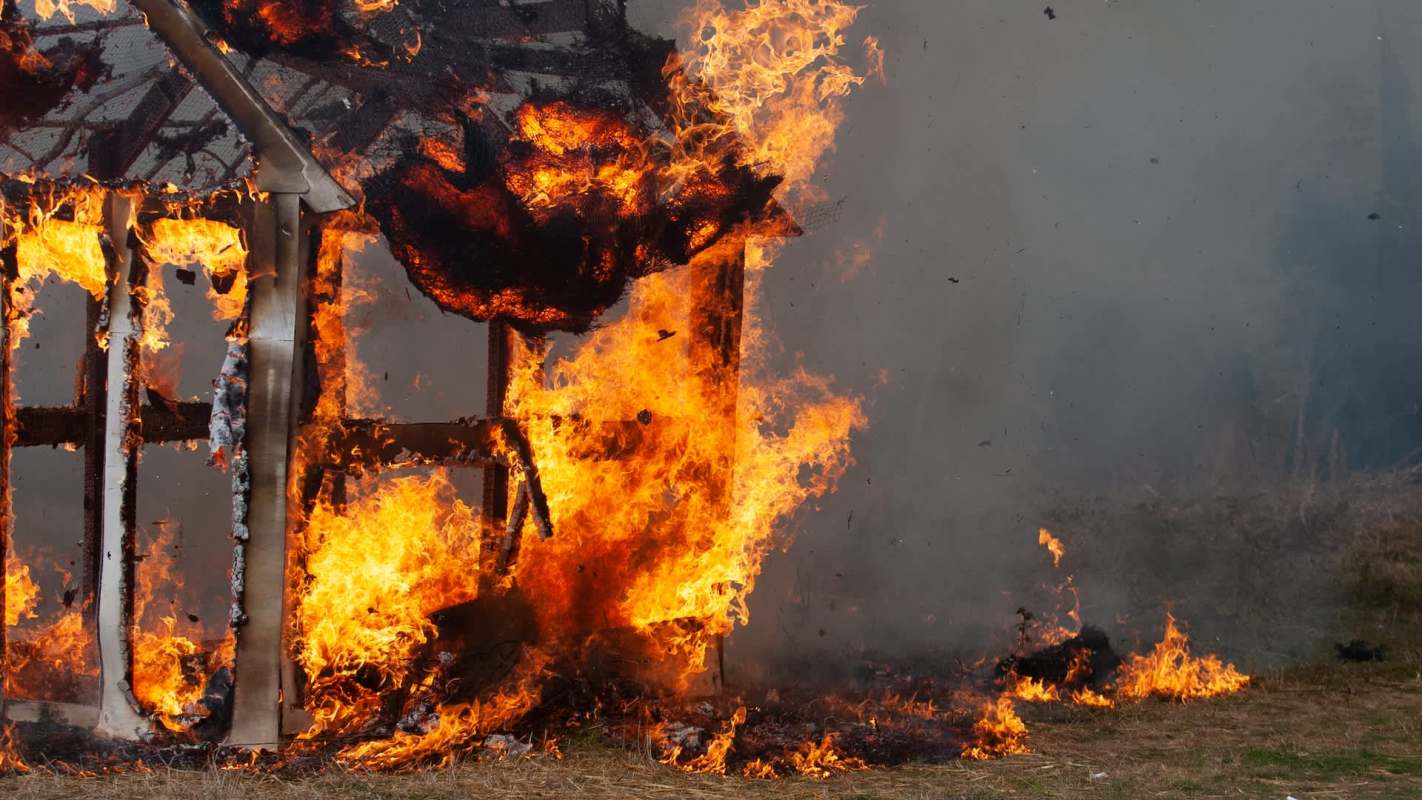
After the fast-moving Cottonwood Fire burned their four-generation cabin to ash, a Utah family is grieving the destruction of a place where relatives had long come together.
For Michelle Thorley, it was not simply a structure that was lost. She saw the family property as the "matriarch" that kept everyone connected.
What happened?
According to The Salt Lake Tribune, Thorley's great-grandfather built the small A-frame in City Creek Canyon near Junction, and it became a gathering spot across generations. This week, Thorley learned that the Cottonwood Fire had wiped out the cabin at Cougar Ranch.
The Tribune said the blaze began Monday and has expanded beyond 70,000 acres; damaged buildings at Eagle Point ski resort; and threatened cabins, homes, and condos. Gov. Spencer Cox said it may become Utah's "most destructive" wildfire on record for property loss.
A video a relative sent Thorley showed the burned cabin, and the Tribune reported that only the cement pillar stilts of its foundation remained above the ash.
When flames moved in, Thorley's relative Andy Anderson rushed to the property to try to save what he could, the Tribune reported. He and a cousin managed to pull out some family keepsakes, including wooden birds Thorley's great-grandfather had carved by hand.
TCD Picks » Quince Spotlight
💡These best-sellers from Quince deliver affordable, sustainable luxury for all




Cougar Ranch covered 11 acres with five cabins and a pavilion, and family members returned every August to reconnect, even after spreading out. Before the fire, the cabin sat nestled in the trees with a sign that read, "Cougar Ranch, Our Solitude." The Tribune reported that inside were old bed frames, a cast-iron stove, and a kitchen table illuminated by a Coleman lantern.
Why does it matter?
The loss reflects the growing danger wildfires pose to communities across the West. Worsening extreme weather disasters endanger lives and livelihoods by destroying homes; forcing evacuations; exposing people to hazardous smoke; and straining local economies that depend on tourism, recreation, and stable housing.
For families, that can mean health risks, financial stress, and the loss of places that help anchor communities.
What are people saying?
Thorley summed up the emotional weight of the loss, telling the Tribune, "I'm having a hard time accepting everything's gone and the reality of what that means." She added: "It was a memory keeper. … She feels like a family member, like that matriarch that holds everybody together as families get older, but you still come together because the matriarch brings you together."
Anderson described the property as "kind of the fulcrum of our family" and said losing it was devastating. "It's a legacy that hurts almost as much as if somebody died," he said.

Get TCD's free newsletters for easy tips, smart advice, and a chance to earn $5,000 toward home upgrades. To see more stories like this one, change your Google preferences here.






