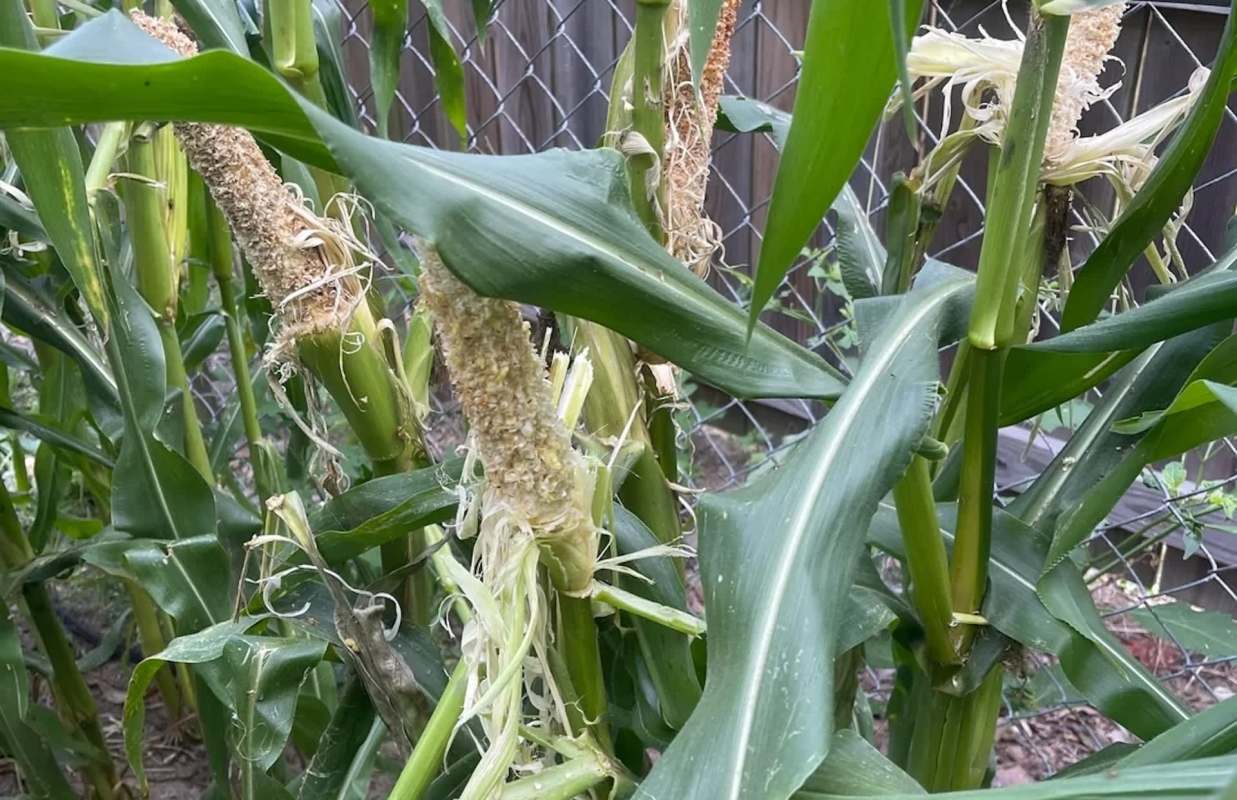
A few half-eaten ears of corn were enough to spark a full backyard mystery online.
Photos of several stripped cobs quickly turned into a mini garden whodunit, as commenters traded theories, cracked jokes, and argued over whether raccoons or squirrels best matched the evidence.
What happened?
The discussion began with a gardener on r/gardening posting, "What is eating my corn?" in a thread on Reddit after finding multiple ears chewed up, seemingly overnight.
The poster later noted that the garden was enclosed by a 10-foot fence, which made some readers less willing to blame deer, though others still thought it was possible.
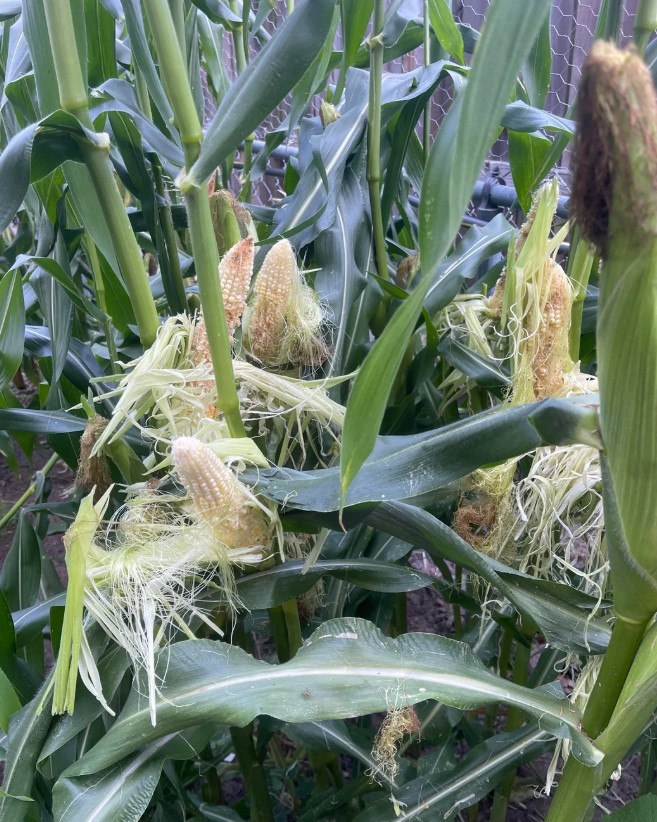
Some commenters said raccoons usually pull stalks down as they feed, while others argued that squirrels are more likely to leave the ears attached before moving on to the next one.
There was no full consensus.
TCD Picks » Quince Spotlight
💡These best-sellers from Quince deliver affordable, sustainable luxury for all




One of the strongest cases for raccoons came from a gardener who wrote, "Lord, that takes me right back. Raccoons got my corn two summers in a row, they do exactly this, they sit on the stalk and strip it clean and the stalks stay standing the whole time."
Others floated deer, rats, birds, and even groundhogs.
Why does it matter?
For home gardeners, losing corn just before harvest is more than a minor frustration. It means wasted time, wasted money, and food that never makes it to the table after weeks or even months of work.
It also shows how difficult it can be to grow food in areas shared with wildlife. Sweet corn is especially appealing once it ripens, and suburban or rural gardens can quickly become easy targets for hungry animals that seem to know exactly when to show up.
What can I do?
Readers proposed several ways to protect the crop, including motion lights, a cheap portable radio left on overnight, cayenne or another spicy pepper on the stalks and shucks, and a camera to find out which animal is actually visiting.
The original poster said they planned to act on some of that advice by adding "a blink camera, and a motion light," while another commenter suggested running an electrified wire above the existing deer fence to deter climbing animals without seriously harming them.
It may also help to redesign the landscape around the garden. A partial lawn replacement can cut upkeep and water use while making your yard more resilient.
One commenter also pointed to clover as a possible distraction crop in some yards. It is not a universal fix, but it can be another tool in a lower-maintenance approach that takes wildlife into account.
At least one of the suggested tactics seemed to help in the short term.
"A radio playing and motion lights got my corn through last night with no losses," the gardener later reported.

Get TCD's free newsletters for easy tips, smart advice, and a chance to earn $5,000 toward home upgrades. To see more stories like this one, change your Google preferences here.