


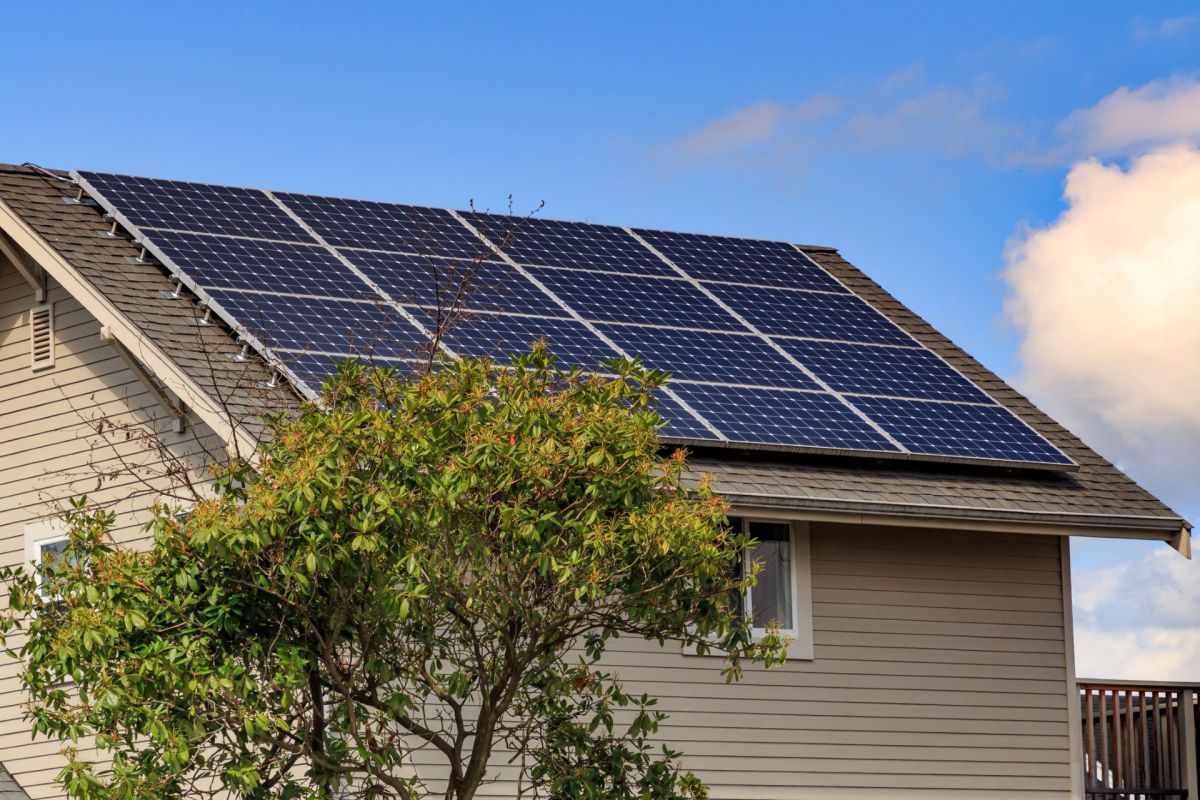
A Connecticut homeowner said a puzzling shift in their electric bill is raising a familiar concern for solar customers: What happens when your panels keep producing, but the bill credits stop adding up the way you expected?
Here's what to know
The Reddit poster described a system that seemed to work exactly as expected at first.
"We generated enough power from July on that we had a credit on our power bill through April of this year," the homeowner wrote, before adding that later production was even stronger but "I have not generated a credit with our electric company."
Rather than blaming the panels, commenters focused on the utility arrangement. One reply said, "I would call your electric provider and see if the contract expired or if you have a buy back that expires."
The homeowner also clarified, "I don't have batteries. We haven't changed anything."
Disappearing credits can point to billing terms, rate changes, or a shift in how exported electricity is valued — not necessarily a malfunctioning solar system.
Going solar is one of the best ways to save money on home energy, but those savings can depend heavily on utility rules and the upfront cost. Homeowners still weighing their options can explore EnergySage to get free solar installation estimates and compare quotes.
More background
A solar bill often depends on more than total panel output. Utilities may credit exported electricity at a specific buyback rate, apply fixed monthly charges, or settle credits on a set schedule, which means stronger production does not always lead to a larger bill credit.
Save $10,000 on solar panels without even sharing your phone number Want to go solar but not sure who to trust? EnergySage has your back with free and transparent quotes from fully vetted providers that can help you save as much as $10k on installation. To get started, just answer a few questions about your home — no phone number required. Within a day or two, EnergySage will email you the best local options for your needs, and their expert advisers can help you compare quotes and pick a winner. |

Solar can still reduce energy costs, but real-world savings often depend just as much on contract language and billing structure as on the panels installed on the roof.
What can be done?
A useful way to start is to match each month's solar generation with that month's electricity use, then check the bill for changes to export-credit calculations, delivery costs, or other charges. It can also help to get the buyback or net-metering terms in writing from both the utility and the installer.
Adding battery storage to a solar setup is one of the best ways to protect your home during outages, save on energy costs, and go off-grid. Batteries can also help homeowners use more of their own solar power after sunset instead of relying as much on the grid. Homeowners who want to learn more can explore EnergySage for information about home battery storage options, including competitive installation estimates.
EnergySage's free tools can also help homeowners avoid overpaying before they sign a solar contract. With EnergySage's help, the average person can save up to $10,000 on solar purchases and installations. EnergySage's solar map shows the average cost of a home solar panel system by state, along with details on solar panel incentives for each state, which can help you get the best price for rooftop solar panels and access available incentives.
More From EnergySage
💡Go deep on the latest news and trends shaping the residential solar landscape



Where can I learn more?
These articles cover Connecticut solar policy, home battery incentives, and what homeowners say about the savings.
• In Connecticut, home batteries gain an advantage as rooftop solar incentives hit new caps.
• Connecticut and Virginia move to speed home solar as advocates push cheaper permitting and power.
• In Florida, one homeowner says an $800 power bill turned into a $300 credit.

Get TCD's free newsletters for easy tips, smart advice, and a chance to earn $5,000 toward home upgrades. To see more stories like this one, change your Google preferences here.






