


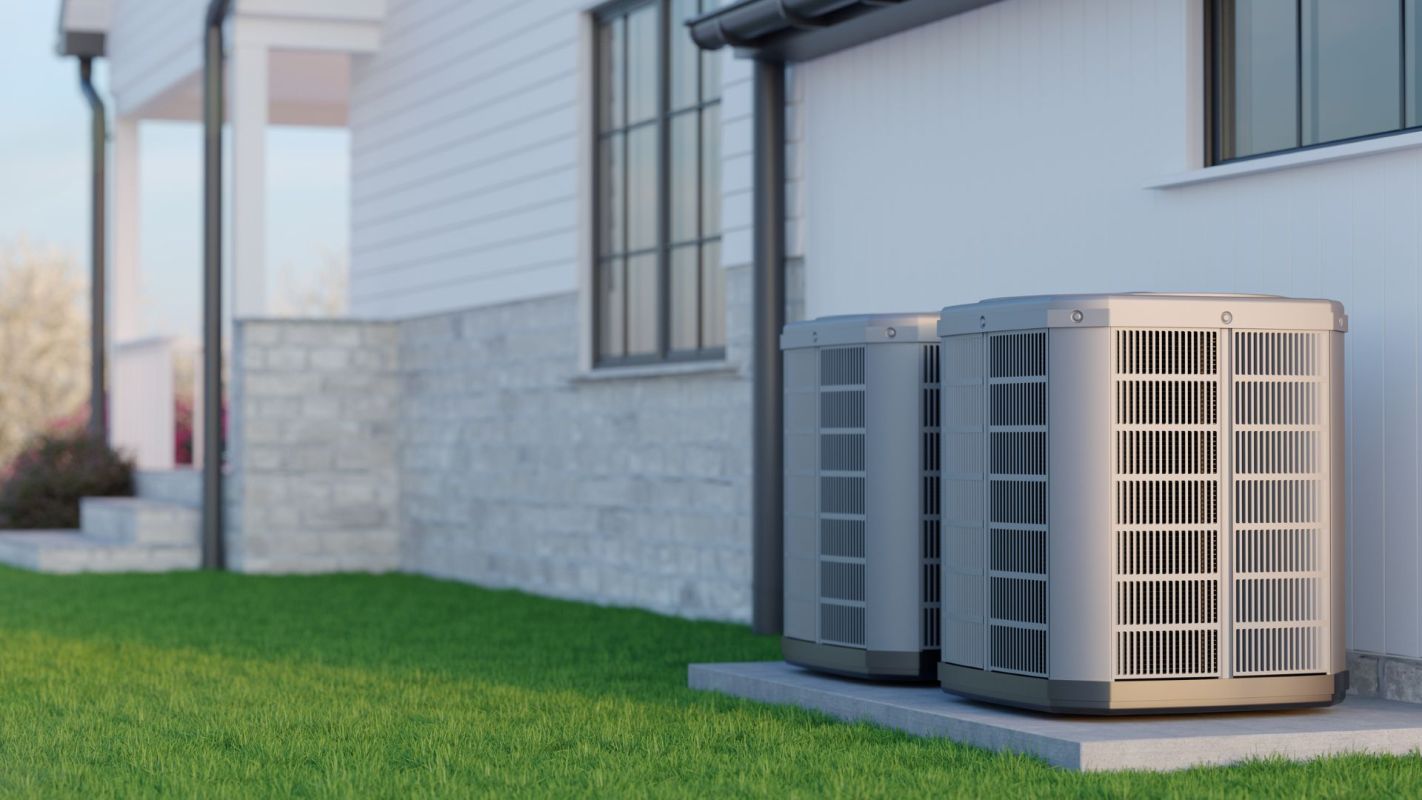
Sticker shock led a Connecticut homeowner replacing two HVAC systems to compare bids with supplier pricing. Installers quoted roughly $15,000 to $25,000 for each system, while the major equipment and components for both added up to about $15,000 through DirectHVAC.
Upgrading heating and cooling is one of the most effective ways to lower utility bills and guard against rising energy costs, especially when a high-efficiency system or heat pump is involved.
Here's what to know
In a post on Reddit, the homeowner said DirectHVAC priced Bosch equipment and major components for both replacement systems at about $15,000 total. The poster had gone looking after several Connecticut contractors blamed high bids on rising equipment and material costs.
While questioning the gap, the homeowner also made clear they were not arguing labor should cost nothing. The post explicitly listed "skilled labor, sheet metal work to adapt to existing ductwork, electrical work, permits, insurance, trucks, warranty exposure, overhead, callbacks" and profit as real expenses before asking: "I'd genuinely like to understand where the additional $15k–$35k is going."
For homeowners looking to cut monthly bills, newer efficient HVACs and heat pumps can make a meaningful difference, and Palmetto can help explain those options. Its Comfort Plan network is designed to connect homeowners with vetted installers and more efficient heating and cooling solutions for their homes.
Pricing at that level did not seem unusual to at least one respondent. A commenter who identified themselves as part of a smaller, family-owned residential HVAC company in Connecticut said they would be "right at this pricing with a 10-year parts and 10-year labor warranty if not higher," adding: "We are not on yachts off of your install, I promise you."
More background
Part of the homeowner's frustration centered on a bid of about $25,000 for one system. According to the post, that contractor pointed to equipment costs to justify the number, but after the homeowner presented pricing for the same setup, the installer "really didn't have an answer."
Several commenters tried to put numbers behind what a replacement can cost beyond the unit itself. One person on the commercial side estimated a full swap at roughly $10,900 before overhead and profit, including about $7,500 for equipment, $1,600 in labor, $300 for permits and inspection, and another $1,500 for items like refrigerant, copper, duct changes, and condensate piping.
Save $10,000 on solar panels without even sharing your phone number Want to go solar but not sure who to trust? EnergySage has your back with free and transparent quotes from fully vetted providers in your area. To get started, just answer a few questions about your home — no phone number required. Within a day or two, EnergySage will email you the best options for your needs, and their expert advisers can help you compare quotes and pick a winner. Solar panels can save you more than $50k over their 25-year lifespan, and EnergySage can help you save as much as $10k on installation. Which begs the question — isn't that worth an email or two? |

A different commenter who said they quote residential work in Connecticut offered a simpler rule of thumb, putting "basic systems with a straightforward install" at about "$3k or so per installed tonnage." They added that the total can rise sharply when a job needs new concrete pads, risers, electrical upgrades, retrofitted ductwork, or long labor warranties.
Even a do-it-yourself installer in the thread said the costs were eye-opening. A commenter working on a five-unit, six-head mini-split project said they were "fully blown away by the material costs and the time involved," and that quotes from smaller operators looked "more reasonable than I realized" once they were in the middle of the work.
What can be done?
Because the homeowner said every proposal arrived as one bundled number rather than separate charges for "equipment, materials, labor, sheet metal, electrical, permits, etc.," asking for an itemized quote may make comparisons easier. A clearer breakdown can help reveal whether warranty coverage, electrical subcontracting, or duct modifications are what push one bid above another.
Post-installation support can also change the math. The Connecticut business owner in the thread tied their pricing to a 10-year parts and 10-year labor warranty, while another commenter said long-running labor coverage is "probably one of the most expensive add-ons" outside major ductwork changes. In other words, a lower quote may not come with the same level of backing after the system is installed.
Homeowners who are still weighing upgrade options can also look at Palmetto's Comfort Plan, which offers $0-down options that can lower heating and cooling costs by up to 50%. Palmetto Comfort Plans also include 12 years of free maintenance, which addresses one of the major long-term concerns that came up repeatedly in the Reddit discussion.
Pairing solar panels with electric appliances, including efficient HVACs, can drive utility costs even lower. EnergySage makes it easy to compare solar options and find the best solar system and installer for your home and budget, and it can help homeowners save up to $10,000 on solar installations.
As the original poster put it: "I'm genuinely trying to understand whether these prices are justified or whether Connecticut HVAC pricing has simply gotten out of control."
Where can I learn more?
If you're trying to make sense of steep HVAC bids, these stories show how other homeowners have approached the same problem.
• A homeowner was shocked by a $25,000 quote for a basic AC replacement.
• In central New Jersey, families weighed whether a heat pump justified $15,000 to $20,000 bids.
• In South Florida, one homeowner learned what each line buys in AC quotes.
• Palmetto's Comfort Plan offered a subscription-style path to insulation and HVAC upgrades.

Get TCD's free newsletters for easy tips, smart advice, and a chance to earn $5,000 toward home upgrades. To see more stories like this one, change your Google preferences here.






