


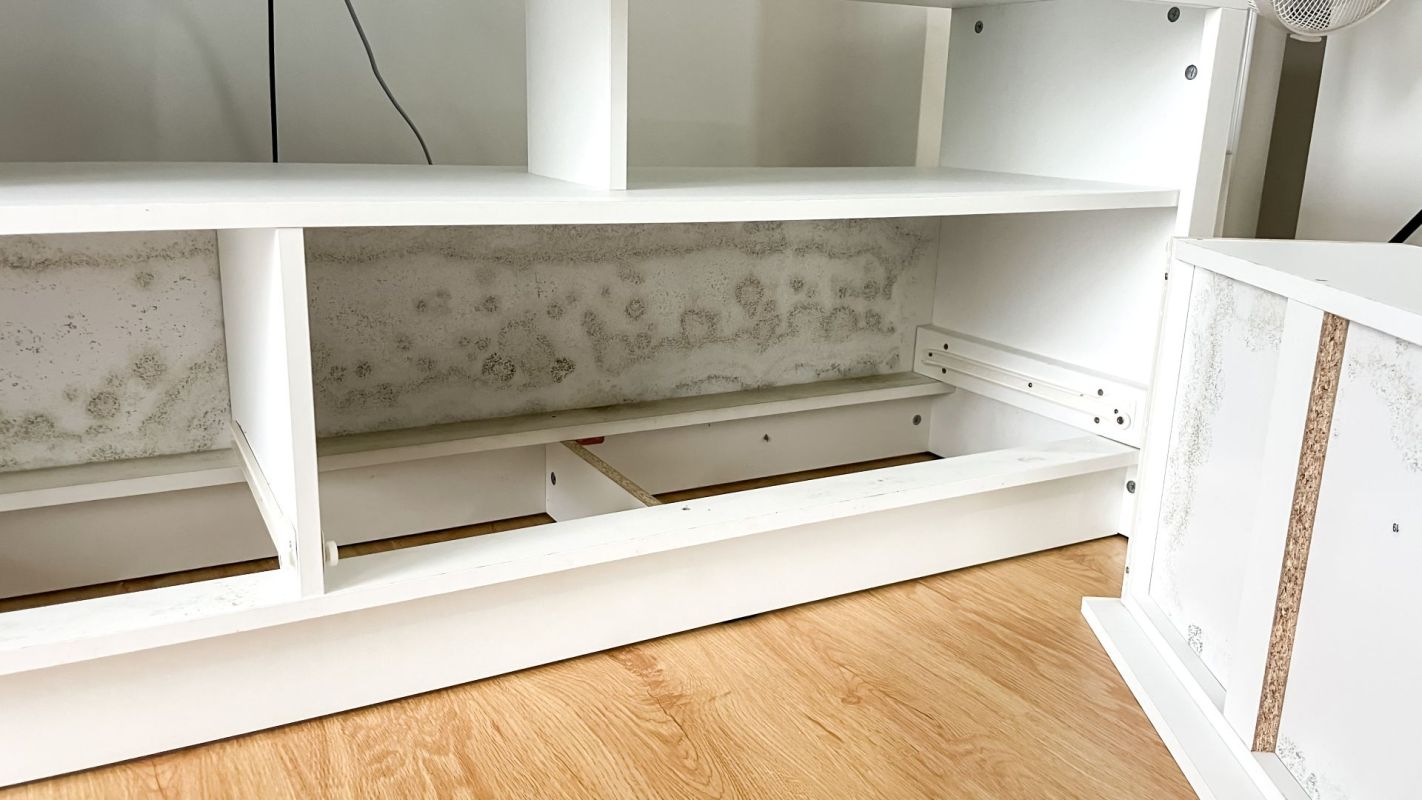
A condo buyer said they discovered a costly surprise behind their newly remodeled kitchen: mold beneath the flooring and concealed by cabinetry.
Addressing the damage could mean tearing out the kitchen and adding about $20,000 in expenses after the purchase, they estimated.
Here's what to know
The buyer had already completed the purchase when the mold findings arrived, according to a post on Reddit. An oversight caused them to miss the inspection deadline, and they signed off on inspections without the results.
The buyer sought advice about the unexpected repair bill and who might be responsible after a detailed environmental inspection pointed to an apparently long-running kitchen leak. The initial report had identified "slight mold" in the basement.
A remediation company recommended removing the kitchen fixtures and installing a new subfloor. The sellers had advertised a full kitchen remodel in July 2026 that included new cabinets and flooring.
More background
The buyer had contacted their real estate agent and made clear that they did not blame the agent. They were also concerned about collecting any judgment or mediation award because the sellers lived out of state.
TCD Picks » Quince Spotlight
💡These best-sellers from Quince deliver affordable, sustainable luxury for all




One commenter suggested that the mold could have developed after the cabinets were installed.
"Oh they knew," the buyer wrote. "They pulled the old cabinets and put in new ones. The mold is visible on the walls behind the cabinets. Alas, as you say, it's hard to prove."
Another advised addressing the pending mold report before closing through a contract clause tying concessions or repairs to the findings. They had also discovered concealed mold in their own home several years after buying it.
What can be done?
One person recommended asking the remediation company to document the leak's apparent age and keeping the environmental report. They also advised taking dated photos and videos before demolition to preserve evidence.
"Next, call the condo association, since a long term leak can come from shared plumbing or the unit above," they wrote. "If so, the association or its master policy may own part of the repair. Your own unit policy is unlikely to cover a gradual leak, so ask before assuming it's all on you."
They also urged the buyer to seek legal advice before demolition, suggesting a local real estate attorney could explain disclosure requirements and claim deadlines.
The original poster agreed to document everything and said a neighbor had suggested that the homeowners association might handle repairs and pursue the previous owners. Another commenter questioned that arrangement, however, leaving responsibility unresolved in the thread.

Get TCD's free newsletters for easy tips, smart advice, and a chance to earn $5,000 toward home upgrades. To see more stories like this one, change your Google preferences here.






