


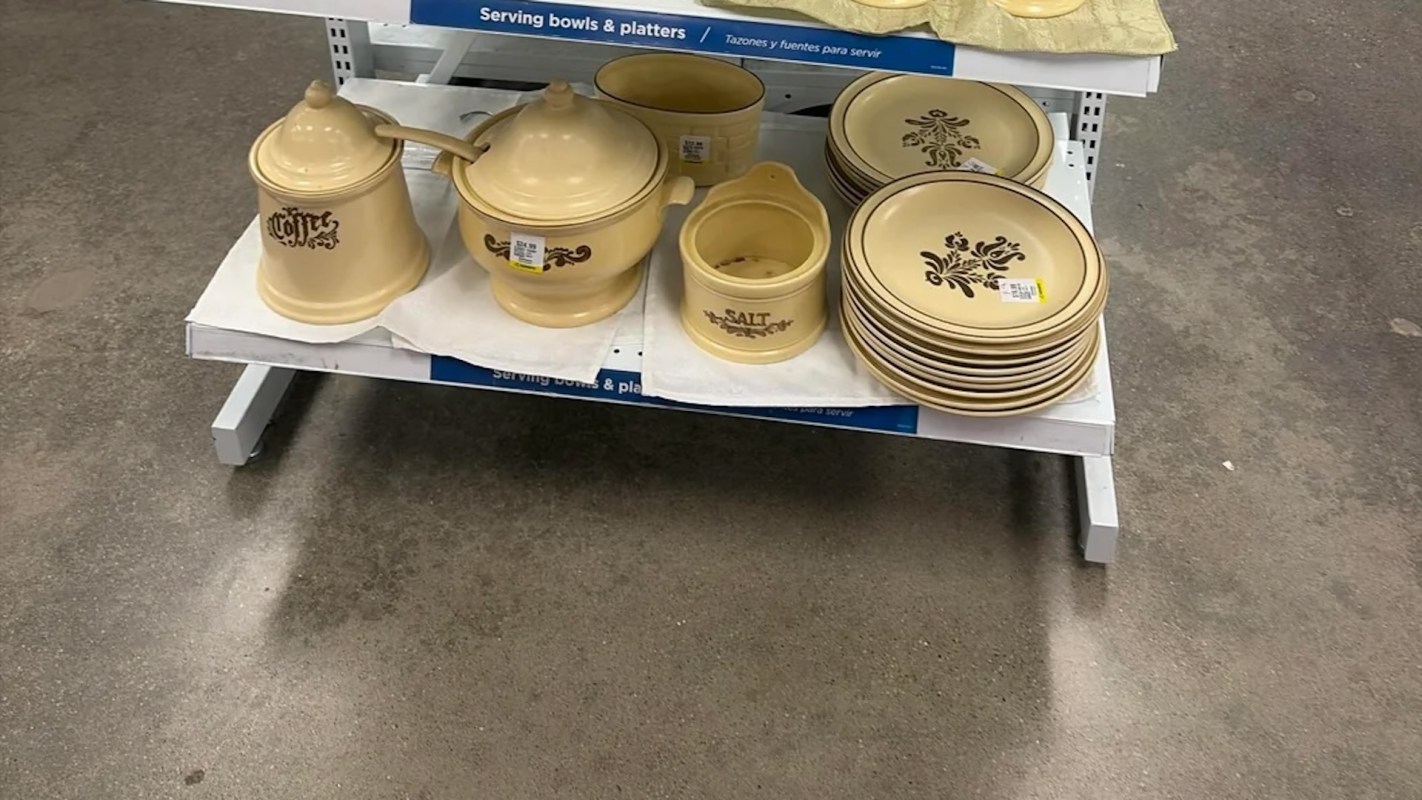
For thrift shoppers, finding a few matching plates can feel like a win. But coming across an unusually complete kitchen set — with napkin holders still included? It almost seems too good to be true.
It's also the discovery that underscores why secondhand shopping remains such a smart way to furnish a home without overspending.
Here's what to know
That was the appeal of a post on r/ThriftStoreHauls featuring what appeared to be an unusually intact vintage-style kitchen collection. The original poster wrote, "The napkin holders were especially impressive."
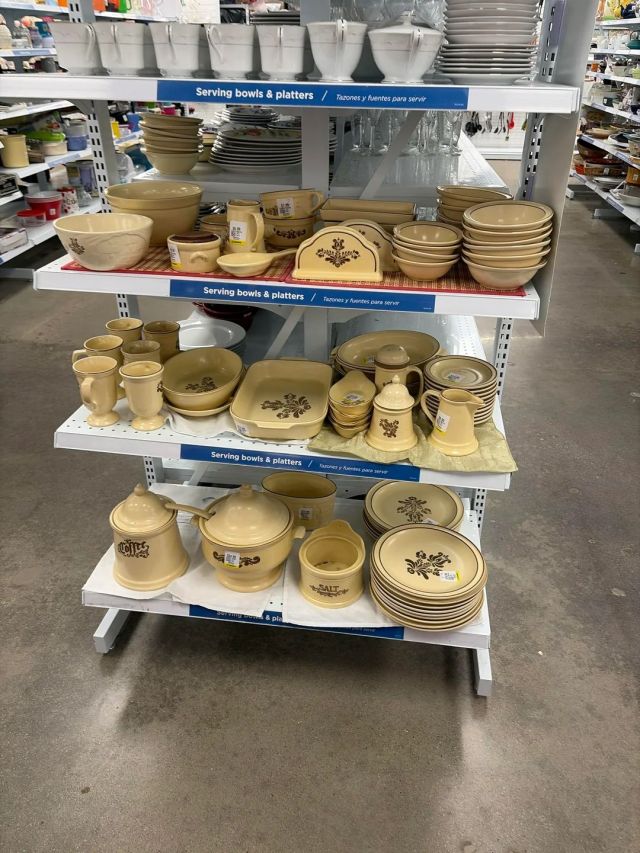
The replies centered on how rare it is for a set like that to stay together, with commenters saying, "Hope someone buys complete set," and "I hate seeing sets picked apart."
Complete secondhand dish sets can be much harder to find than individual plates, bowls, or mugs, since many are separated over years of use, moves, and donations. When a full collection does surface, it can help someone outfit a kitchen for far less than the cost of buying new.
More background
A kitchen set is not just decorative — it is something many people can use every day.
TCD Picks » Quince Spotlight
💡These best-sellers from Quince deliver affordable, sustainable luxury for all




The find brings together two of the biggest benefits of secondhand shopping: saving money on everyday essentials and uncovering rare or hard-to-find items at steep discounts.
For budget-conscious shoppers, thrifting plates, serving pieces, and table accessories can be far cheaper than replacing everything at retail prices. For collectors, older patterns can be especially exciting when multiple pieces stay together.
There is also an environmental benefit. Buying secondhand helps keep usable goods in circulation longer, reduces waste, and can curb demand for brand new products that require more raw materials and energy to manufacture and ship.
What can be done?
For shoppers hoping to come across similar finds, thrift stores remain one of the best places to start. Dishware, glassware, cookware, and serving pieces are often donated in waves, particularly after moves, downsizing, or estate cleanouts.
If you want to make the most of those visits, check out the TCD Guide's page on shopping at thrift stores for more tips and discussion from other readers.
It also helps to shop with a plan. Check pieces carefully for chips or cracks, look underneath for maker's marks or pattern names, and grab complete sets when possible. Buying a full collection at once can save money and spare shoppers the hassle of tracking down matching replacements later.
And for those with extra dishes at home, donating them as a complete set rather than one piece at a time can help the next shopper — especially someone trying to furnish a home affordably while avoiding unnecessary new purchases.
Where can I learn more?
Matching dish sets are only one kind of standout kitchen score. These articles spotlight shoppers who came across durable, high-value cookware at thrift stores — the kind of secondhand finds that can be both genuinely useful and surprisingly hard to come by.
• One shopper found an elusive "white whale" cookware piece with "loads of potential."
• At a local Goodwill, someone spotted two Le Creuset dishes and uses them constantly.
• On a thrift store bottom shelf, a home cook discovered another example of the valuable enamel cookware.
• Another shopper reached "thrifting queen" status after a lifetime cookware deal on an entire Le Creuset set.
These stories are also a good reminder that the kitchen aisle is worth a slow pass. One stop can turn up anything from a complete table set to cookware built to last for decades.

Get TCD's free newsletters for easy tips, smart advice, and a chance to earn $5,000 toward home upgrades. To see more stories like this one, change your Google preferences here.






