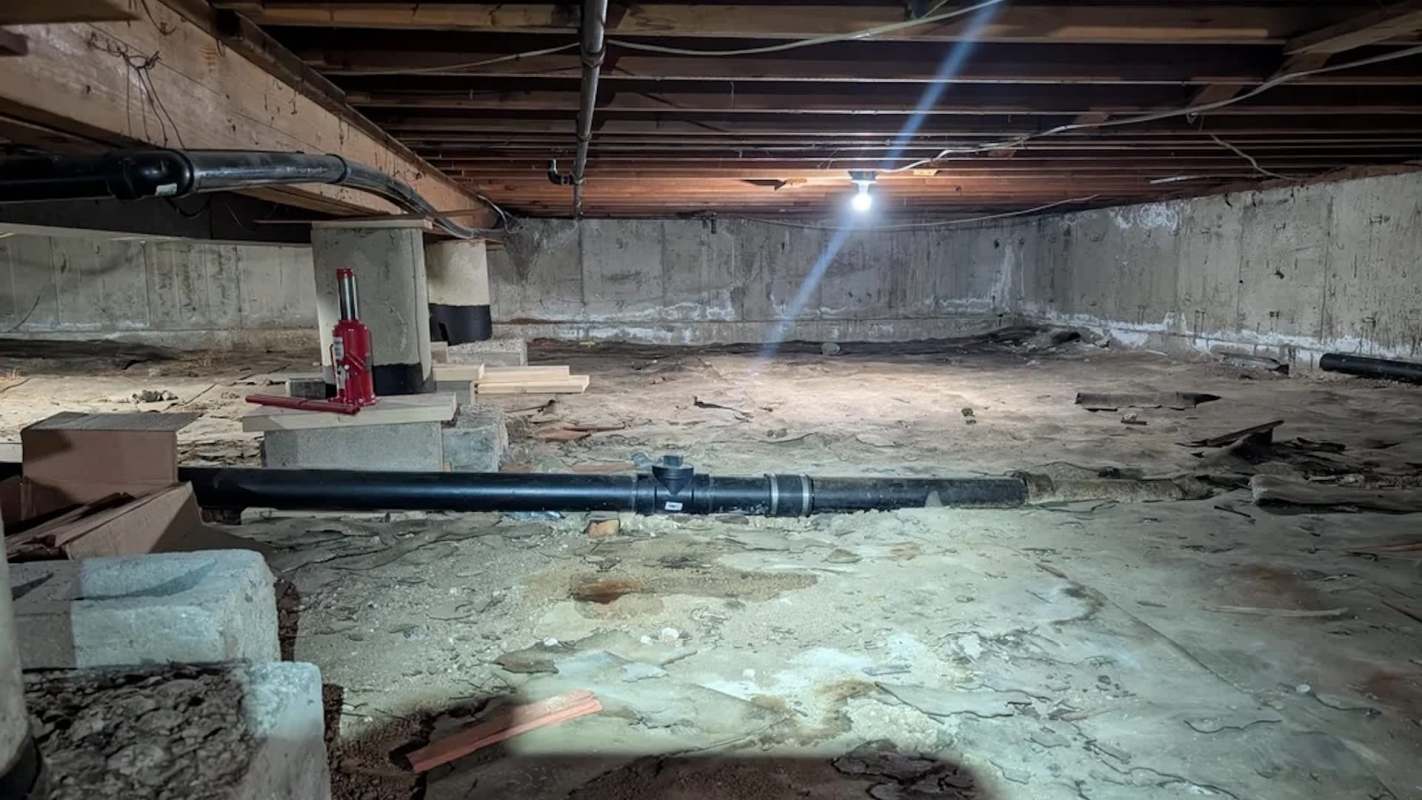
A Colorado homeowner with a badly corroded, leaking water heater was deciding between replacing it with another gas unit in the same indoor spot or relocating the next system to a tight crawlspace to open up storage space.
In this case, the decision shaped not just where the home's hot water came from but also how comfortably the space works day to day.
What happened?
On Reddit, the user told r/Plumbing that the 29-gallon Rheem gas water heater was 10 years old and had been "leaking slowly and now is very corroded."
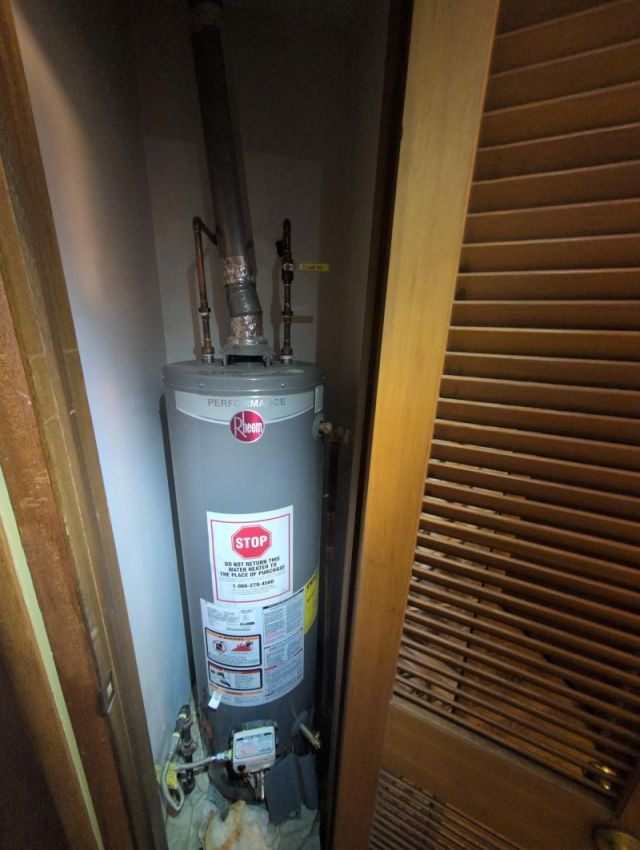
Because they lived in a 1,100-square-foot house where "space is precious," they were weighing two replacement paths: a similar gas unit in the hallway closet or a 40-gallon electric lowboy placed in the home's unencapsulated 36-inch crawlspace.
Cost was a major factor, the poster said, and they wanted to "keep it affordable," which ruled out heat pump and tankless systems. If you can afford the upfront cost, heat pump water heaters offer potential energy bill savings.
They also asked whether plumbers tended to mind when homeowners did some preparation themselves. Their biggest concerns, though, were captured in two questions: "Will the 40-gallon electric be a downgrade from 29-gallon gas?" and "Is crawlspace installation generally a bad idea?"
Why does it matter?
This kind of replacement choice can affect comfort, safety, storage space, and monthly utility bills for years to come.
A standard electric tank may offer more gallon capacity on paper, but gas and electric systems produce hot water differently. That can shape how quickly a household runs out of hot water during showers, laundry, or dishwashing.
Save $10,000 on solar panels without even sharing your phone number Want to go solar but not sure who to trust? EnergySage has your back with free and transparent quotes from fully vetted providers in your area. To get started, just answer a few questions about your home — no phone number required. Within a day or two, EnergySage will email you the best options for your needs, and their expert advisers can help you compare quotes and pick a winner. Solar panels can save you more than $50k over their 25-year lifespan, and EnergySage can help you save as much as $10k on installation. Which begs the question — isn't that worth an email or two? |

Installing a water heater under a house can free up interior space, but access, moisture, exposure, drainage, and code compliance all become more important, especially in a place such as Colorado, where winter conditions can be severe.
Costs can also show up beyond the sticker price. Moving to electric may create more indoor storage space, but it can also mean adding a 240-volt circuit and other electrical work. Replacing a gas unit with a similar model may be straightforward, though bringing gas and water lines up to code can still add expense.
What can I do?
Tank size alone does not settle the comparison.
Recovery rate, fuel prices, installation location, maintenance access, and code requirements all matter, and quotes from both a plumber and an electrician can clarify the cost difference between the options.
Crawlspace installations may require freeze protection, a drain pan, updated venting, or easier service access. Permit rules can also affect how much prep work homeowners can do themselves before a contractor gets involved.
For households that can consider a more efficient upgrade, Cala may be worth a look when balancing long-term savings against upfront costs. Its customizable smart heat pump water heaters help homeowners reduce their energy bills by heating water only when needed.
Side-by-side estimates covering purchase price, expected operating cost, and usable hot-water performance, not just gallon size, can make it easier to weigh installation complexity and monthly bills against reclaimed storage space.

Get TCD's free newsletters for easy tips, smart advice, and a chance to earn $5,000 toward home upgrades. To see more stories like this one, change your Google preferences here.