


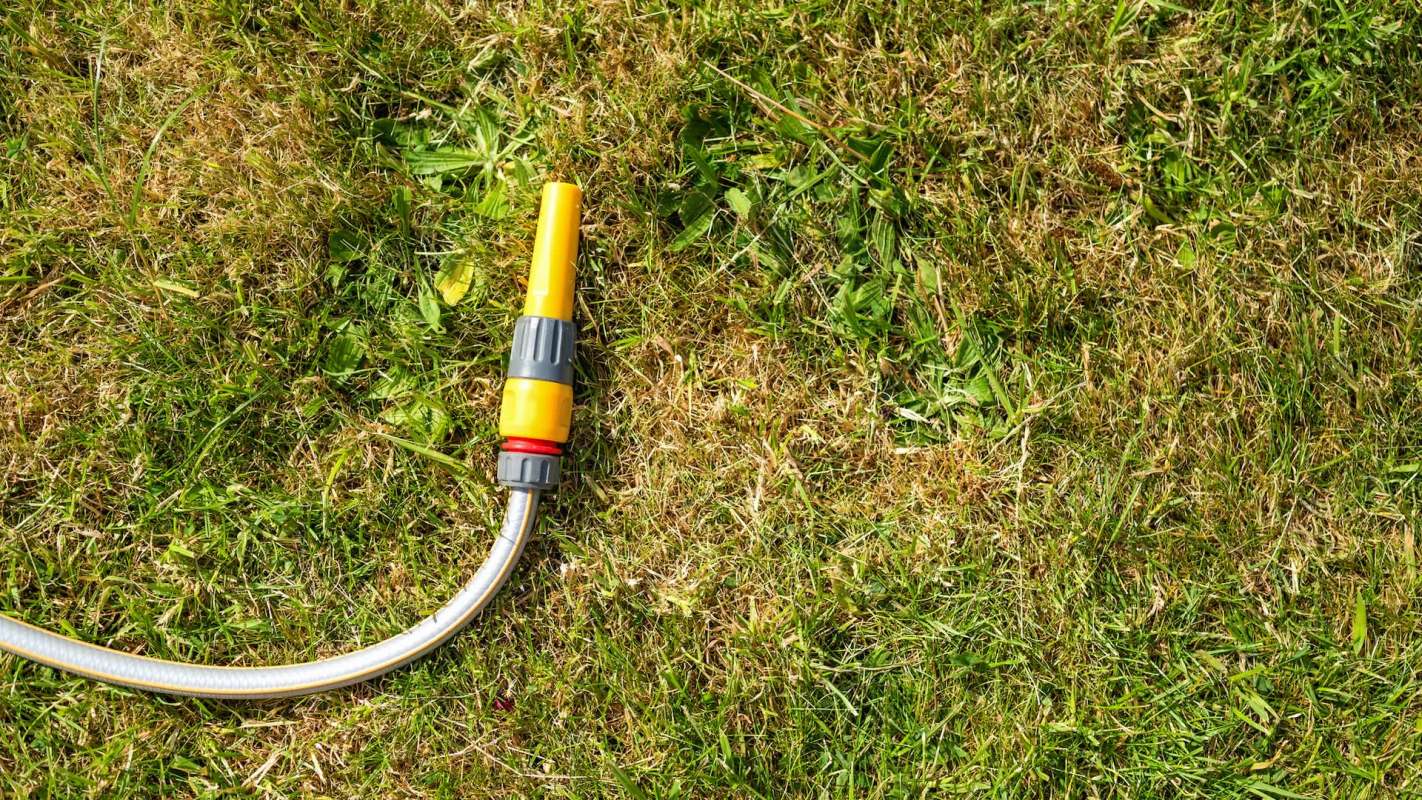
Even after cutting back irrigation to meet drought rules, a Colorado homeowner says she was warned by her homeowners association about a dead patch of grass.
The dispute is drawing attention to how HOA expectations in some neighborhoods can clash with water-saving rules and the practical realities of drought.
What happened?
Paulette Piazza, a homeowner in Littleton and a Denver Water customer, told FOX31 that her homeowners association gave her 10 days to deal with a dead area of lawn or face potential fines.
Piazza said the warning arrived despite her complying with local watering limits. Under Denver Water's current rules, lawn watering is restricted to two days a week as Colorado continues to face drought conditions, FOX31 reported.
"It's a threat," Piazza said to the outlet. "It's an ugly threat. And I don't know what they want me to do."
State law is meant to stop this exact kind of dispute. In Colorado, HOAs cannot fine residents for brown grass during drought if those homeowners are already using all the watering allowed under local rules.
TCD Picks » Quince Spotlight
💡These best-sellers from Quince deliver affordable, sustainable luxury for all




The broader water situation makes the clash stand out even more. Denver Water says its reservoirs are 77% full, compared with the 97% seen in an average year.
Why does it matter?
The dispute shows how neighborhood rules can sometimes push residents toward wasteful or costly decisions, even as state law and local utilities urge conservation.
That pressure can also hit household budgets. Keeping grass unnaturally green during drought can drive up water bills.
These conflicts also carry environmental consequences. When water supplies are strained, using additional water simply to preserve a certain appearance can add even more pressure to reservoirs and local systems already dealing with dry conditions.
The dispute shows how homeowners can end up caught between conservation requirements and aesthetic demands.
Utilities are also signaling that expectations may need to change. Denver Water says reduced watering will affect how lawns look.
For homeowners elsewhere, the situation serves as a reminder to document compliance, keep copies of utility guidance, and communicate with HOAs in writing if a violation notice appears to conflict with local law.
Piazza's response was blunt: "Shame on them."

Get TCD's free newsletters for easy tips, smart advice, and a chance to earn $5,000 toward home upgrades. To see more stories like this one, change your Google preferences here.






